

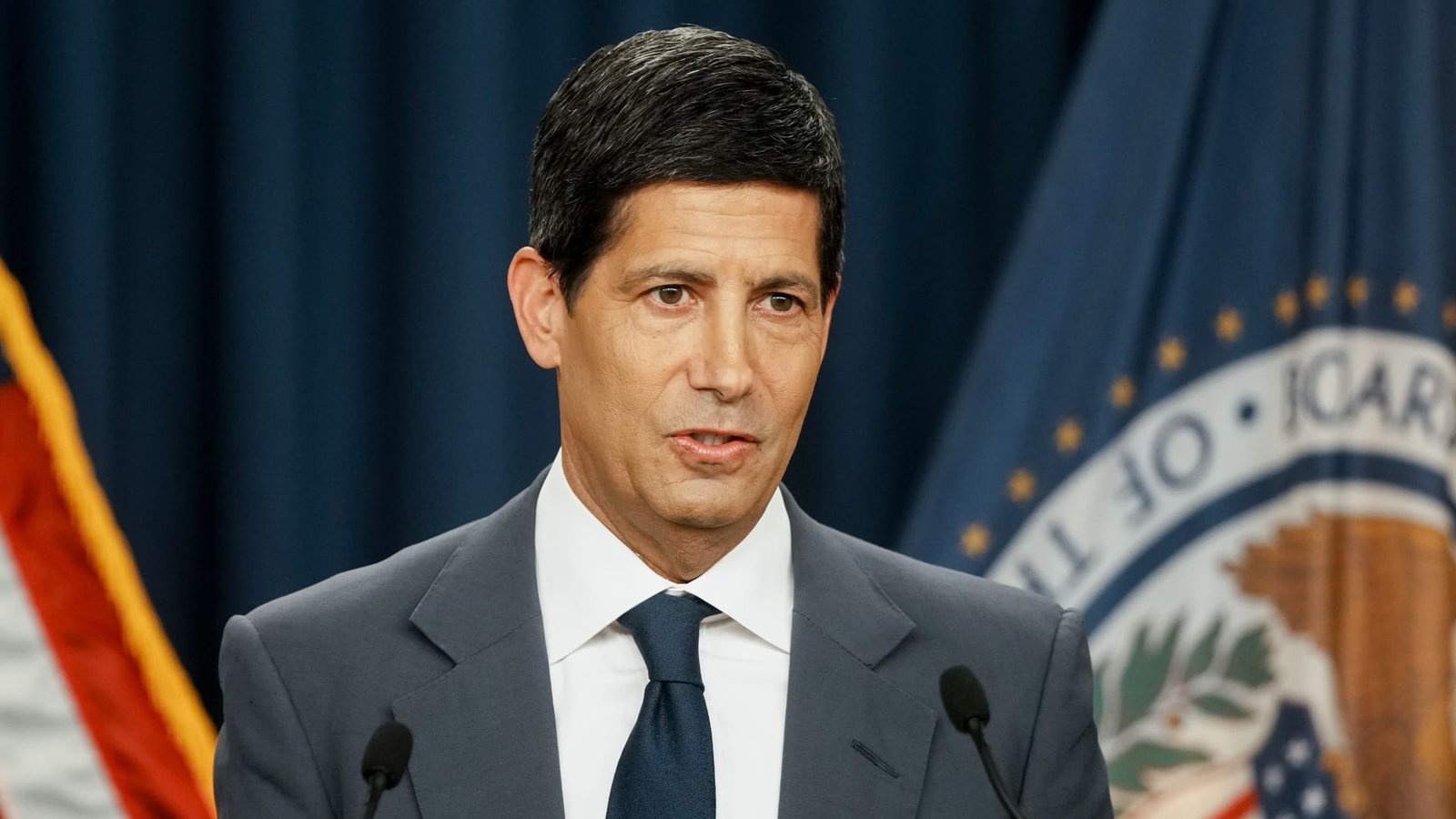
The Federal Reserve has opted not to hold a vote on interest rates during its October 2027 meeting, a move announced by Chairman Kevin Warsh. This decision is part of Warsh’s broader initiative to decrease the central bank’s influence in the market. The Federal Open Market Committee (FOMC) will dedicate its October 26-27 session to discussions on overarching monetary policy strategies rather than conducting a formal vote, as detailed in a recent announcement.
Warsh explained that this shift reflects a commitment to more strategic and thoughtful deliberations on monetary policy. “Getting policy right involves assessing near-term developments,” he stated, while emphasizing the importance of setting aside time for meaningful discussions on larger issues. The 2027 calendar reveals there will be seven voting meetings, with the October session serving as a non-voting opportunity for reflection and strategic planning. The final FOMC meeting of the year will now be held in November, having shifted from its traditional December date.
Chairman Warsh has previously criticized the Fed’s former communication strategies, arguing they restricted policymakers’ flexibility. Under his leadership, post-meeting statements have been noticeably shortened, and the duration of press Q&A sessions has been halved. Warsh indicated that increasing the number of nonvoting meetings in the future aims to further enhance the quality of deliberations. He believes that the scheduling of meetings plays a crucial role in forging effective monetary policy.
The FOMC is set to reconvene on December 8-9, with its first meeting of the new year on January 26-27.
Why this story matters
- It represents a significant shift in the Federal Reserve’s approach to monetary policy and communication.
Key takeaway
- The Fed’s October 2027 meeting will focus on broad policy discussions rather than interest rate decisions.
Opposing viewpoint
- Critics may argue that reduced communication may lead to a lack of transparency, potentially impacting market confidence.