


In the early 1920s, car manufacturers faced challenges with engine knocking, which resulted from uneven fuel ignition, causing damaging vibrations. Similarly, refrigerator manufacturers were concerned about the toxicity and flammability of certain chemicals used in their products. Thomas Midgley Jr., an American engineer at General Motors, discovered that adding lead to fuel could suppress engine knocking and later helped develop Freon, a safer refrigerant option.
His innovations led to commercial success and earned him the Priestley Medal from the American Chemical Society. However, the long-term consequences of these developments revealed a darker side. Leaded petrol was found to emit harmful lead, affecting public health, while chlorofluorocarbons (CFCs), including Freon, were later identified as damaging the ozone layer.
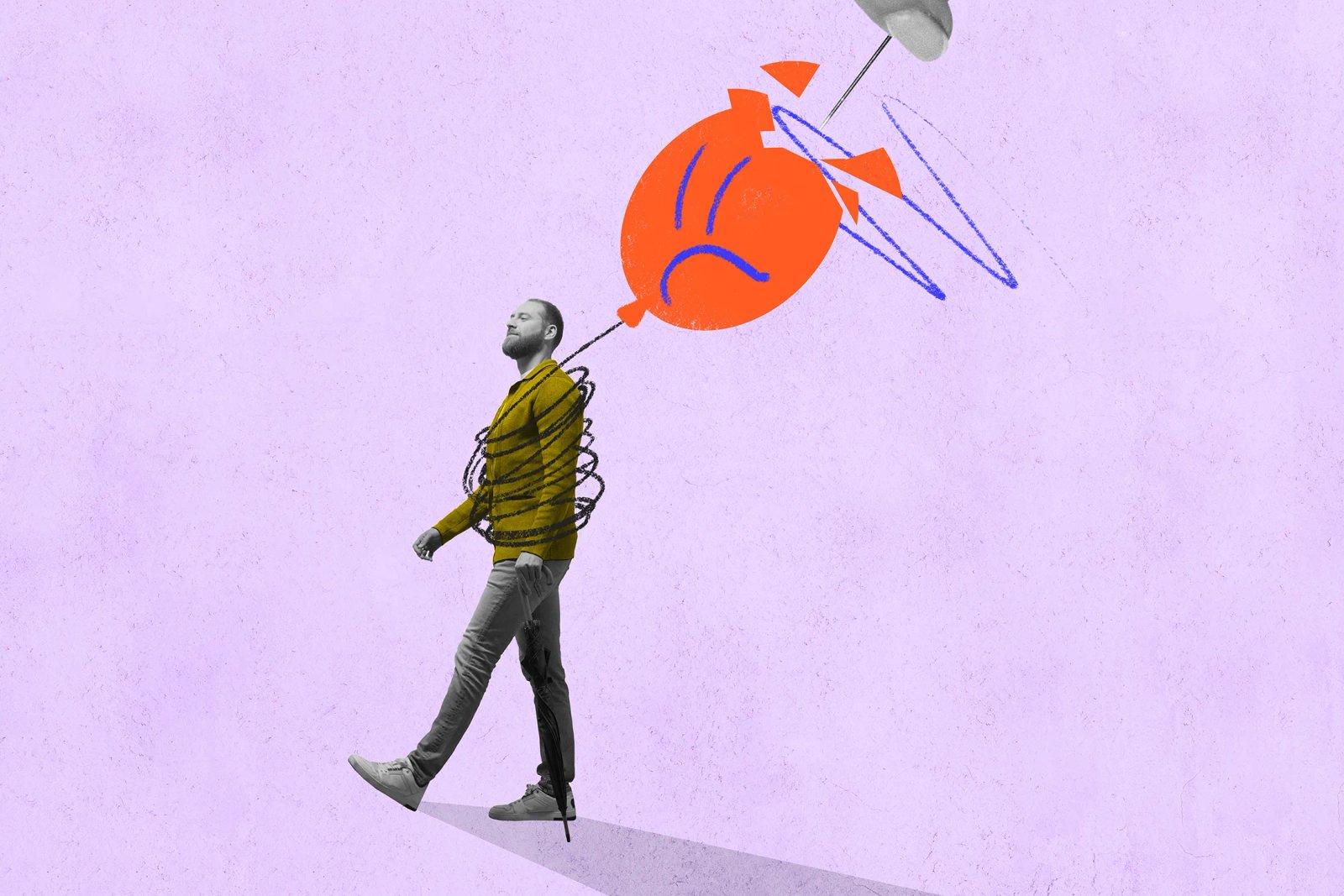
Midgley’s story serves as a cautionary tale for business owners: successful outcomes can obscure unanticipated costs. Entrepreneurs often find themselves repeating patterns that initially fostered growth—such as personal involvement and rapid decision-making. While these habits bring preliminary success, they may become burdensome as the business expands, affecting the owner’s health and personal life.
Business owners are encouraged to assess the true impact of their successful practices by evaluating what these strategies produce, demand, and potentially displace. This reflective practice prompts critical questions about sustainability. Entrepreneurs should regularly review whether their current arrangements still serve their long-term goals or if adjustments are necessary to maintain a healthy balance between success and personal well-being.
Why this story matters: It highlights the importance of understanding the hidden costs of business decisions and the sustainability of success.
Key takeaway: Reflecting on what business practices produce and demand can prevent unrecognized burdens.
Opposing viewpoint: Some may argue that focusing on immediate successes is essential for growth, regardless of potential long-term consequences.