


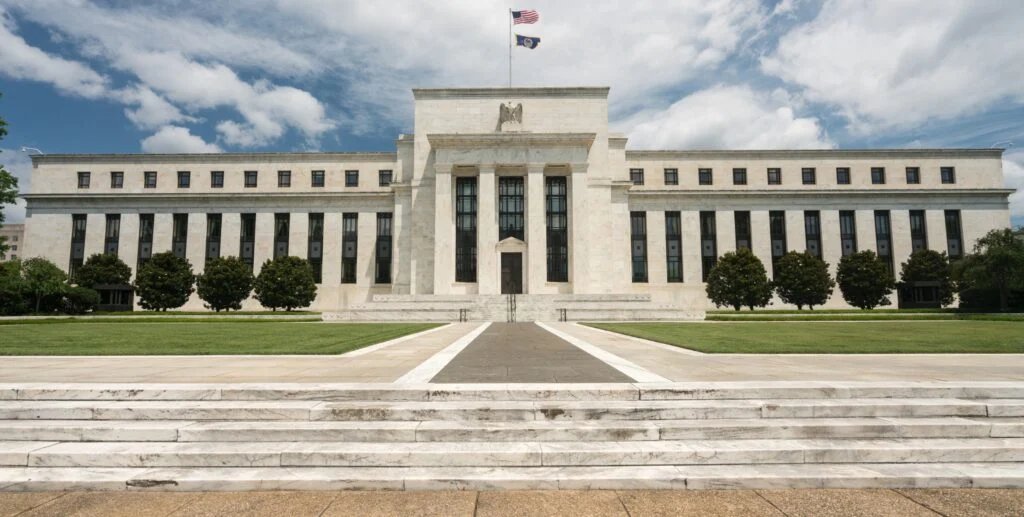
Last weekend, betting markets significantly increased their expectations for Kevin Hassett, who is associated with the Trump administration, to be appointed as the new chair of the Federal Reserve. The selection of Hassett is anticipated to have substantial implications for the real estate sector, particularly regarding U.S. mortgage rates. Jerome Powell’s term is set to conclude in May 2026, with the upcoming chair likely adopting a dovish approach aimed at lowering rates to stimulate economic activity and enhance housing affordability.
The new chair is expected to advocate for significant reductions in the federal funds rate, making borrowing cheaper and encouraging greater demand in the housing market. If Hassett communicates intentions to decrease long-term rates during his inaugural Fed meetings, lenders may adjust their offerings promptly. The cessation of quantitative tightening (QT) scheduled for December under Powell’s leadership will further facilitate lower mortgage rates, affecting the 10-year Treasury yield and reducing 30-year fixed mortgage rates.
Lower rates are likely to enhance purchasing power for homebuyers, allowing them to qualify for larger loans and stimulating a more vibrant real estate market over the next three years. Homeowners currently in higher-interest mortgages may also find refinancing appealing, which could increase market inventory as more sellers emerge. This increase in buyer demand may lead to upward pricing pressure, particularly if inventory does not keep pace.
For real estate investors, lower rates translate to improved property valuations and increased attractiveness of investment opportunities. However, the risk of renewed inflation induced by aggressive rate cuts poses a significant challenge that investors will need to manage closely.
Why this story matters:
- The appointment of a new Fed chair can significantly influence mortgage rates and the housing market.
Key takeaway:
- A dovish stance on interest rates could stimulate buyer demand and increase real estate valuations.
Opposing viewpoint:
- Aggressive rate cuts might trigger high inflation, leading to rapid rate hikes that could destabilize the market.