
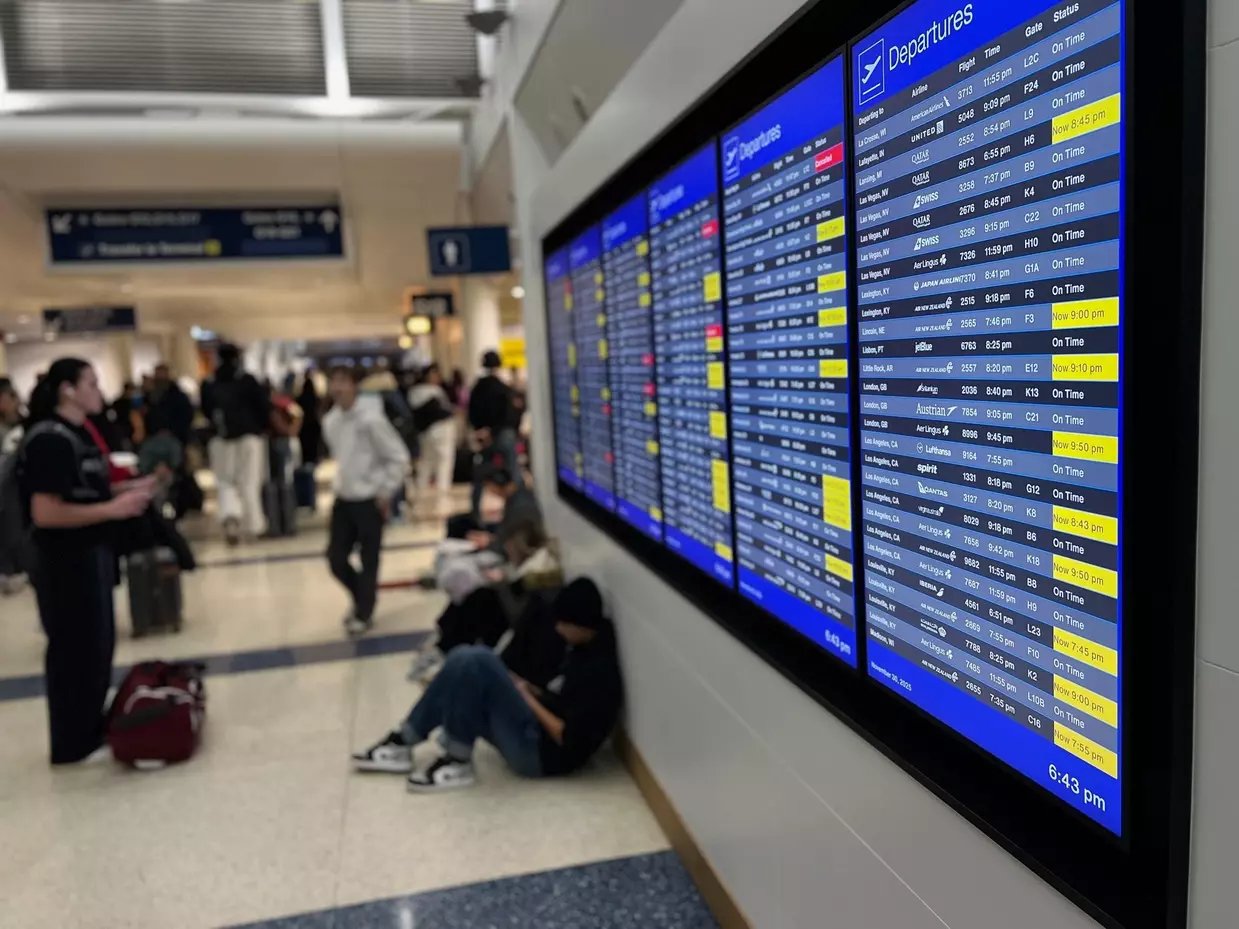
The U.S. Department of Transportation has released updated guidance for airlines regarding their responsibilities in the event of flight cancellations or significant delays resulting from aircraft recalls. Under the new guidelines, airlines are not required to provide compensation for passenger expenses such as meals or hotel accommodations when flights are disrupted due to these specific circumstances.
The guidance clarifies the distinction between cancellations caused by aircraft recalls and those due to other factors within the airline’s control, such as crew shortages or technical issues. This announcement has implications for both consumers and airline policies, as it may influence how airlines manage their operational challenges and passenger communication.
The absence of a requirement for airlines to offer accommodations or reimbursements may lead to increased frustration among travelers affected by flight disruptions. Advocates for passenger rights argue that airlines should still be held accountable for ensuring travelers are cared for, regardless of the cause of the disruption.
Public response to the new guidelines is expected to be mixed, with some supporting the clarification while others view it as a diminishing of passenger protections. The impact on consumer trust and satisfaction may influence future developments in aviation regulations.
Why this story matters
- Highlights regulatory expectations for airlines in managing flight disruptions.
Key takeaway
- Airlines are not mandated to cover passenger expenses linked to flight cancellations from aircraft recalls.
Opposing viewpoint
- Critics argue that airlines should provide support for all passenger inconveniences, regardless of the cause.