



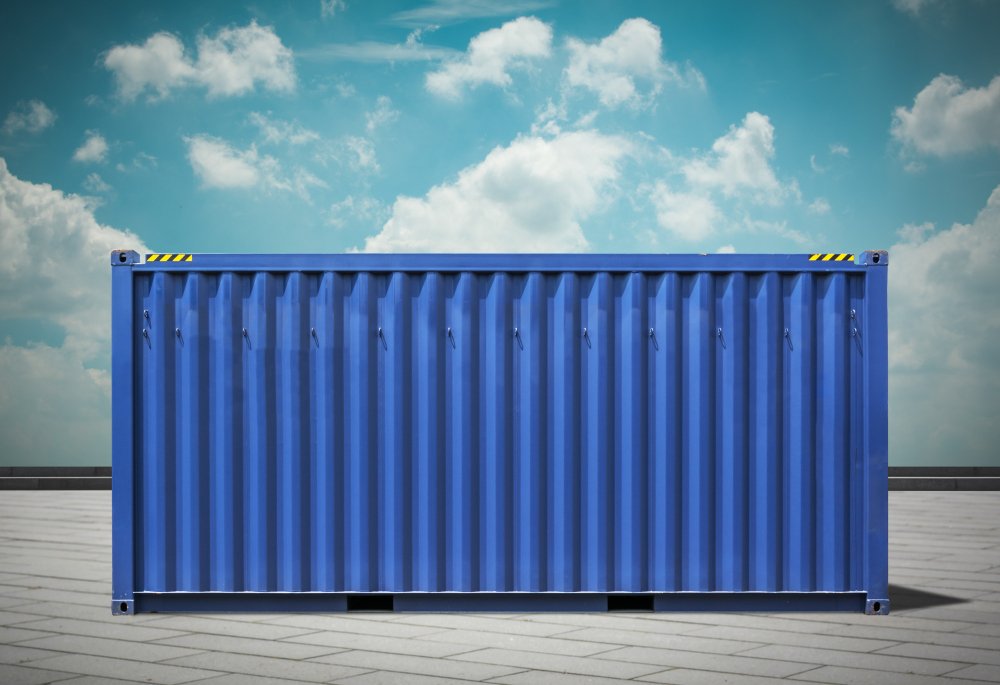
Shipping containers have increasingly integrated into British business practices, evolving from mere storage solutions to essential components for small and medium enterprises (SMEs). Approximately 24% of self-storage users now operate businesses from these units, highlighting their relevance in the operational strategies of thousands of firms.
Over the past decade, the trend of using repurposed shipping containers has gained traction, marked by a 7.2% growth in self-storage space in the UK in 2024. Among nearly 3,000 self-storage facilities nationwide, over a third primarily utilize containers. These storage solutions serve various business needs, including overspill warehousing for seasonal inventory, on-site secure storage for tools and equipment, and portable workspaces for projects.
The flexibility and cost-effectiveness of containers attract SMEs. They allow businesses to handle fluctuating stock demands without committing to long leases. For instance, during peak retail seasons, businesses can easily scale their storage capacity. Furthermore, containers offer a practical option for on-site storage, enabling quicker access to essential items while minimizing downtime.
Portable workspaces are another prominent use, allowing firms to set up temporary offices or workshops that can be quickly installed and relocated. This adaptability is particularly beneficial for mid-sized companies projected to significantly contribute to the UK economy in the coming years.
While containers offer several operational benefits, including enhanced security and predictable costs, businesses need to be aware of practical considerations such as the condition of the units and compliance with planning regulations.
As space becomes increasingly constrained in the UK’s industrial settings, shipping containers are poised to play a more significant role in future business infrastructure, reflecting a demand for operational flexibility and efficiency.
Why this story matters:
- Reflects the changing landscape of business infrastructure in the UK.
Key takeaway:
- Shipping containers provide flexible, cost-effective solutions for SMEs, allowing them to adapt quickly to market demands.
Opposing viewpoint:
- Critics may argue that relying on containers could lead to issues related to regulations, aesthetics, or long-term sustainability.