

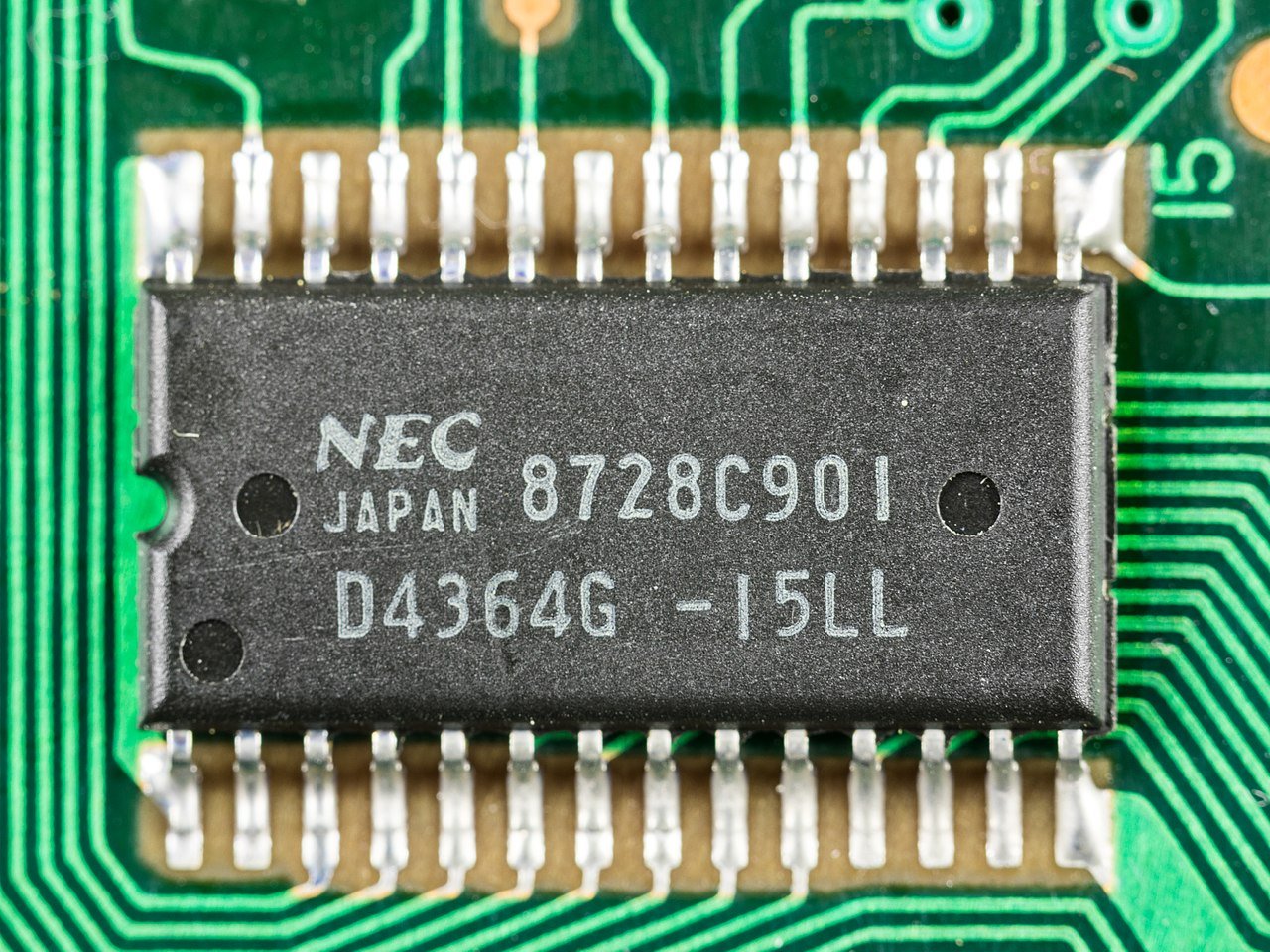
Memory chips, traditionally viewed as mundane components of technology, are undergoing significant changes due to the explosive growth of artificial intelligence (AI). Historically, the memory market thrived on predictable supply cycles where fluctuations in demand influenced pricing and availability. However, the surge in AI development has introduced new dynamics, resulting in a structural memory shortage that is affecting consumers and businesses alike.
The demand for AI infrastructure extends beyond just graphics processing units (GPUs). High bandwidth memory (HBM) and dynamic random-access memory (DRAM), essential for operating AI models, are now in limited supply as manufacturers pivot to prioritize HBM production, which comes with higher profit margins. This shift means that DRAM, once abundant, has become scarce, with stock levels plummeting by about 80% year over year.
Major tech companies are driving this demand, securing long-term contracts and willing to pay higher prices to maintain a steady supply of memory. This strategic push for AI infrastructure reflects the growing importance of AI across various sectors. As a result, prices for consumer electronics are likely to rise, subtly embedding the effects of memory shortages into overall product costs.
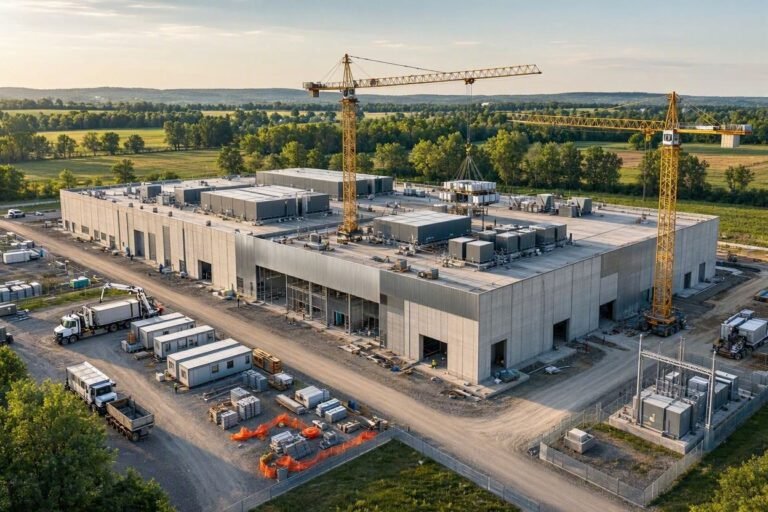
Experts believe that the shortage may persist well into the second half of the decade, marking a departure from past chip shortage cycles characterized by temporary disruptions. As companies work to build new memory facilities—a process that is lengthy and complex—the challenge of meeting the escalating demand for AI capabilities remains critical.
In conclusion, while AI may eventually drive efficiency and lower costs, the current landscape indicates that consumers might face increased prices in the short to medium term as the industry adapts.
Why this story matters:
- The ongoing memory shortage highlights the growing impact of AI on technology markets.
Key takeaway:
- Memory chips are becoming a critical component in AI development, affecting pricing across technology sectors.
Opposing viewpoint:
- Some analysts argue that advancements in AI may eventually lead to efficiencies that could mitigate short-term price increases.