
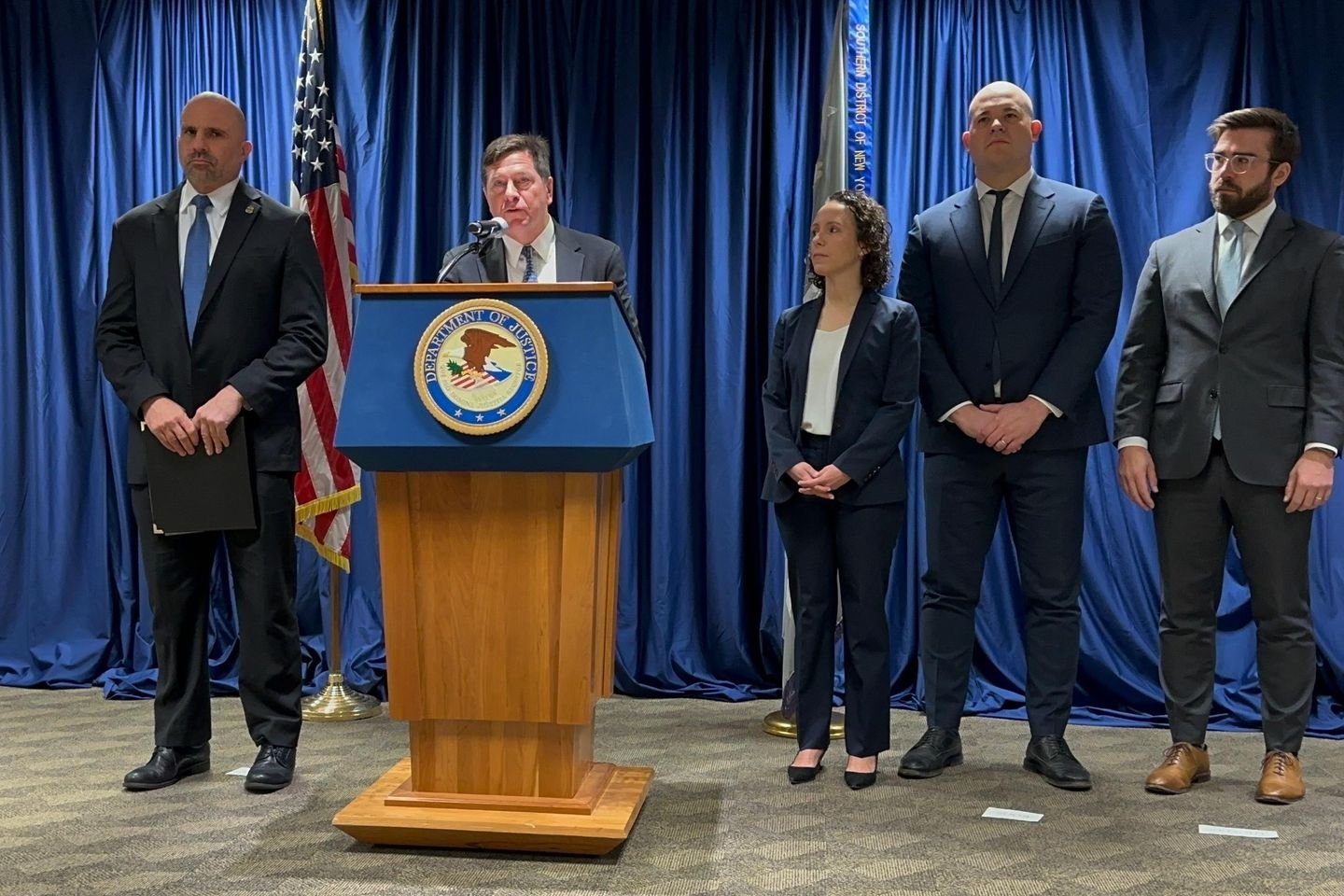
The founder of Tricolor Holdings, along with several senior executives, has been implicated in a prolonged scheme to defraud the company’s largest lenders of approximately $1 billion. This fraudulent activity reportedly spanned a seven-year period, and culminated in two arrests and guilty pleas from former top officials within the organization, as disclosed by authorities on Wednesday.
The investigation revealed that the executives employed deceptive practices that misrepresented the company’s financial stability, leading to significant losses for the lenders involved. The actions of these individuals not only affected the lending institutions but also raised concerns about regulatory oversight in the subprime auto lending industry.
The case underscores the severity of corporate fraud and its ramifications within financial markets. As the situation develops, it aims to shed light on deficiencies in compliance and governance that may have allowed such misconduct to persist over an extended duration.
Bullet Points:
- Why this story matters: Highlights significant issues of corporate ethics and financial oversight in subprime lending.
- Key takeaway: A widespread fraud scheme can persist for years without detection, emphasizing the need for stronger regulatory measures.
- Opposing viewpoint: Critics argue that not all subprime lending practices are unethical, suggesting that the industry serves an essential role in providing access to credit for underserved populations.