


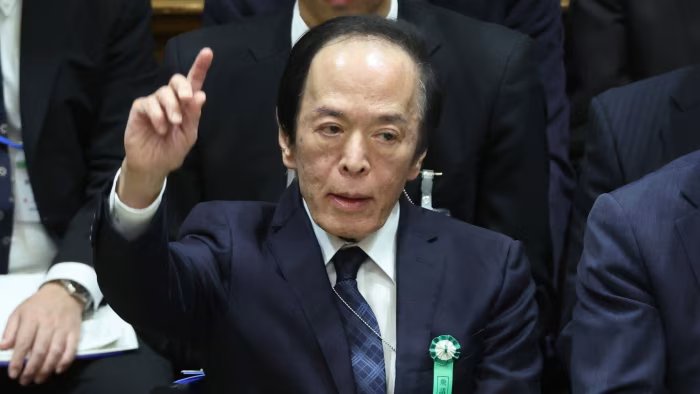
The Bank of Japan (BoJ) has raised short-term interest rates to 0.75%, marking the highest level in 30 years and signaling a shift from decades of deflation. The increase, executed unanimously by the Policy Board, is part of a broader effort by Governor Kazuo Ueda to normalize monetary policy initiated last year. This fourth increase was anticipated due to earlier, clear communication from the central bank, following a less predictable hike in July 2024 that caused market instability.
In response to the announcement, yields on 10-year Japanese Government Bonds (JGBs) rose 0.05 percentage points, exceeding 2% for the first time since 1999. Investor concerns regarding Japan’s fiscal health amid Prime Minister Sanae Takaichi’s expansive spending plans have contributed to the increase in bond yields. Following the announcement, the yen initially weakened against the dollar but later recovered slightly.
Analysts noted that there was some disappointment in the market regarding the tone of the BoJ statement, which some had hoped would indicate a more aggressive stance. Shoki Omori from Mizuho highlighted that while the rate hike was smooth, it may not significantly strengthen the yen. The BoJ stated that labor conditions remain tight in the context of Japan’s shrinking population, and corporate profits are expected to be stable despite challenges from tariff policies.
As inflation continues to exceed the BoJ’s 2% target, with consumer prices rising by 3% in November from the previous year, economists believe the current rate hikes reflect a persistent inflation trend influenced by rising import costs and labor expenses.
Why this story matters
Key takeaway
Opposing viewpoint