


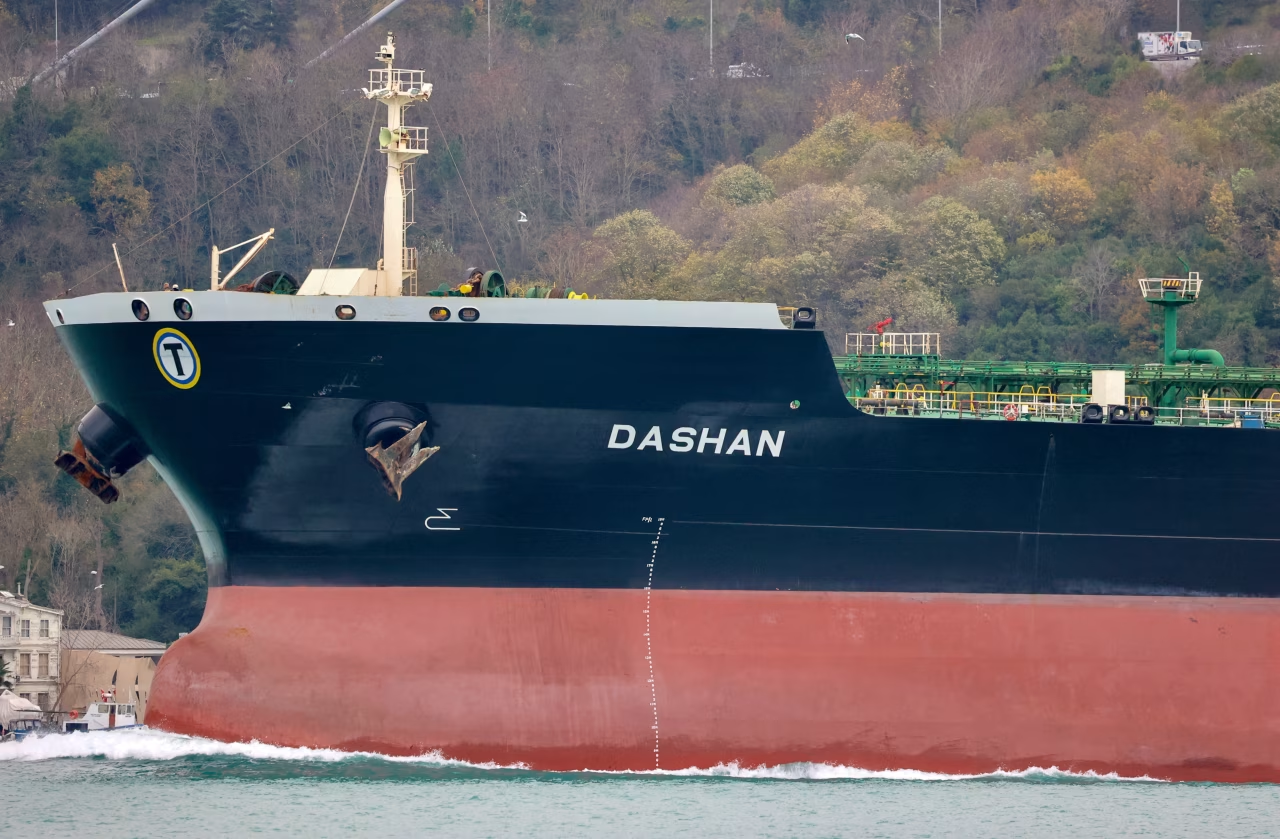
The European Union is intensifying its examination of Turkey’s oil-storage facilities amid ongoing geopolitical tensions. This scrutiny comes as part of broader efforts to address concerns related to energy security and supply chain integrity in the region. Officials in Brussels have expressed the need to ensure that Turkey’s operations comply with international regulations and do not contribute to activities that may undermine EU policies.
In addition to reviewing oil-storage facilities, the EU is contemplating sanctions that could affect entire ports in Turkey. These potential measures are aimed at influencing Turkey’s actions regarding energy trade and its adherence to EU standards. The discussions reflect the EU’s strategic approach to managing its energy landscape, especially in light of recent developments that have raised alarms about energy dependencies and regional stability.
EU officials are closely monitoring the situation, with discussions ongoing about the implications of Turkey’s oil trade on wider diplomatic relations. As the situation evolves, the EU aims to balance its energy needs with its commitment to upholding international regulations and standards regarding energy practices.
Why this story matters:
- It highlights the EU’s efforts to enhance energy security in the context of geopolitical tensions.
Key takeaway:
- The EU is considering sanctions and increasing oversight of Turkey’s oil-storage facilities to ensure compliance with international regulations.
Opposing viewpoint:
- Some critics argue that sanctions may further strain relations with Turkey and complicate energy trade partnerships.