


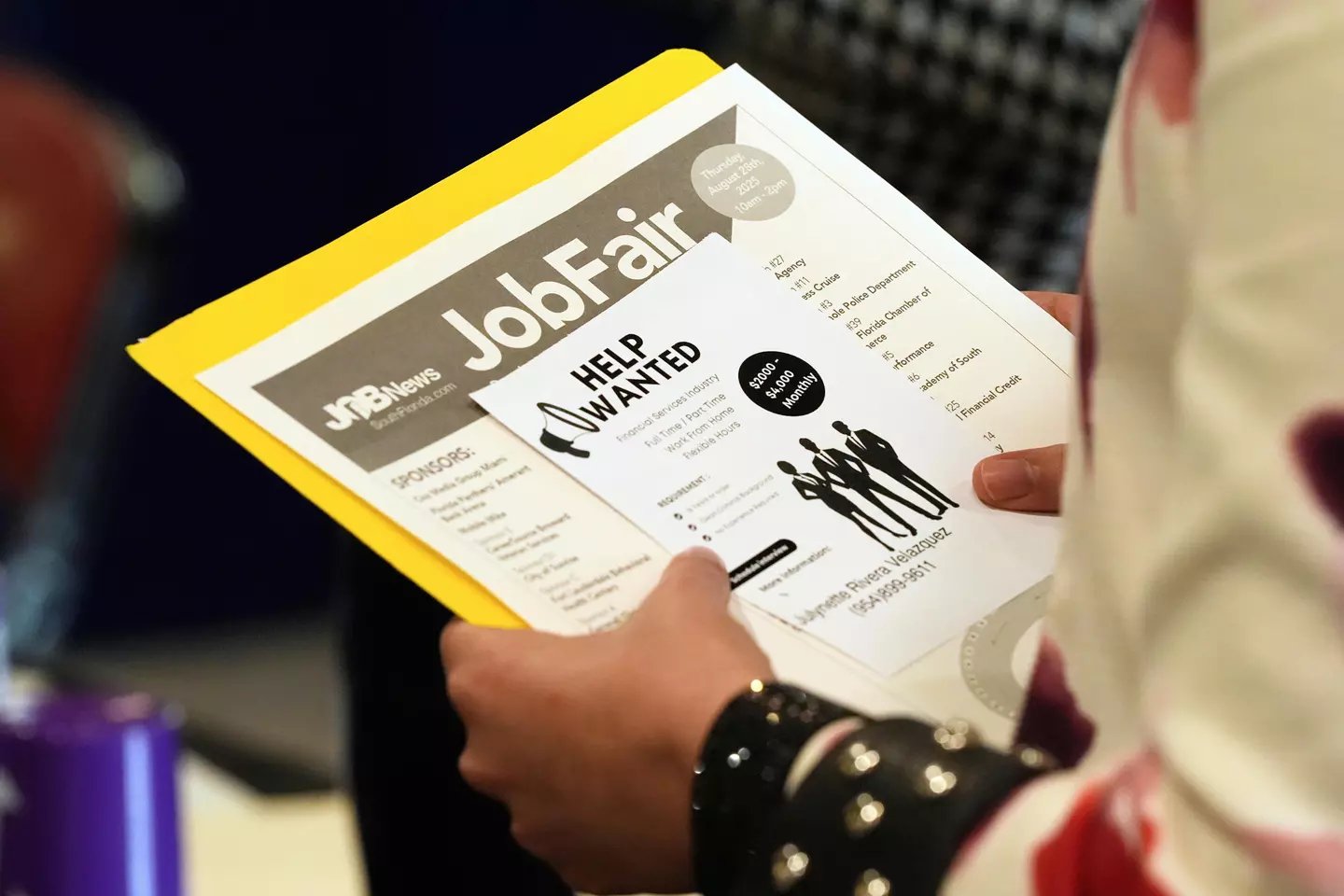
In 2025, the Trump administration prioritized the implementation of work requirements for individuals receiving government assistance. This initiative aims to encourage self-sufficiency among low-income populations by mandating employment or participation in job training programs as a condition for receiving benefits.
Supporters of the policy argue that work requirements are essential for fostering personal responsibility and reducing dependency on government aid. They believe that employment not only helps individuals improve their financial situations but also contributes to overall economic stability.
Conversely, critics express concerns that these requirements may disproportionately impact vulnerable populations, including the elderly, disabled, and single parents. They argue that the barriers to employment, such as childcare availability or transportation issues, remain unaddressed, potentially leaving those in need without necessary support.
The administration’s focus on work requirements reflects a broader trend in welfare policy aimed at reforming how assistance is delivered and ensuring that recipients are actively engaged in the workforce. The implications of this shift are significant for the future of social safety nets and the lives of countless individuals relying on government support.
Why this story matters
- The policy could reshape welfare assistance and impact low-income populations across the country.
Key takeaway
- The Trump administration is prioritizing work requirements for government assistance, aiming to promote self-sufficiency among recipients.
Opposing viewpoint
- Critics argue that work requirements may harm vulnerable groups and fail to address the barriers that limit employment opportunities.