



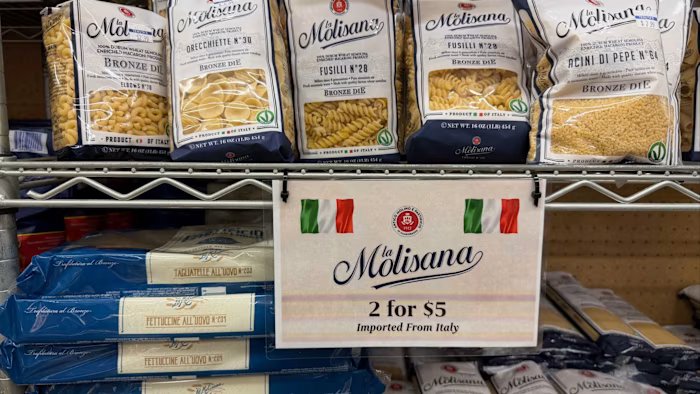
The U.S. government’s position on proposed tariffs on Italian pasta has softened amid rising political pressure related to the high cost of living. Previously, the Trump administration had accused 13 Italian pasta firms, including well-known brands such as Barilla and La Molisana, of unfair dumping practices, threatening retaliatory duties of up to 92%. However, on New Year’s Day, Italy’s government announced that the U.S. Department of Commerce had reduced the proposed tariffs to between 2% and 14%.
The reduced rates follow a preliminary analysis indicating that the Italian manufacturers had addressed many of the U.S. Commerce Department’s concerns. A final decision regarding the duties will be announced on March 12, and any tariff changes will take effect only afterward.
This adjustment is in line with the administration’s broader trend of easing tariffs on over 200 food products, driven by voter anxiety over rising consumer prices. Previously proposed tariffs had sparked diplomatic tensions for Italian Prime Minister Giorgia Meloni, who maintains positive relations with U.S. leadership. The European Commission has also expressed readiness to intervene in the dispute if necessary. Italy’s agribusiness association, Coldiretti, warned that high tariffs would severely impact Italian pasta exports to the United States.
According to Italy’s foreign ministry, the new tariff proposals reflect a recognition by U.S. authorities of the Italian companies’ willingness to cooperate. Alongside the pasta tariff adjustments, the White House recently announced a delay in tariff increases on other imported goods, emphasizing ongoing productive negotiations with trade partners.
Why this story matters
- Adjustments in tariffs can significantly impact international trade and consumer prices.
Key takeaway
- The U.S. reduced proposed tariffs on Italian pasta following negotiations, marking a shift in trade relations and political considerations.
Opposing viewpoint
- Some businesses in the U.S. may argue that lower tariffs could harm domestic producers who compete with Italian imports.