

Tensions escalated significantly between the United States and Venezuela when President Donald Trump ordered a military operation aimed at capturing Venezuelan President Nicolás Maduro. Following months of military pressure, this covert operation occurred overnight, resulting in Maduro and his wife, Cilia Flores, being extracted by helicopter to a U.S. warship.
During an interview on “Fox & Friends Weekend,” Trump described Maduro’s elaborate security measures at his presidential palace, which he likened to a fortress. Despite Maduro’s efforts to reach a secure room, U.S. forces were able to intervene before he could lock himself in. Trump noted that American forces were equipped with heavy machinery and had conducted extensive training for this operation, which was dubbed “Absolute Resolve.”
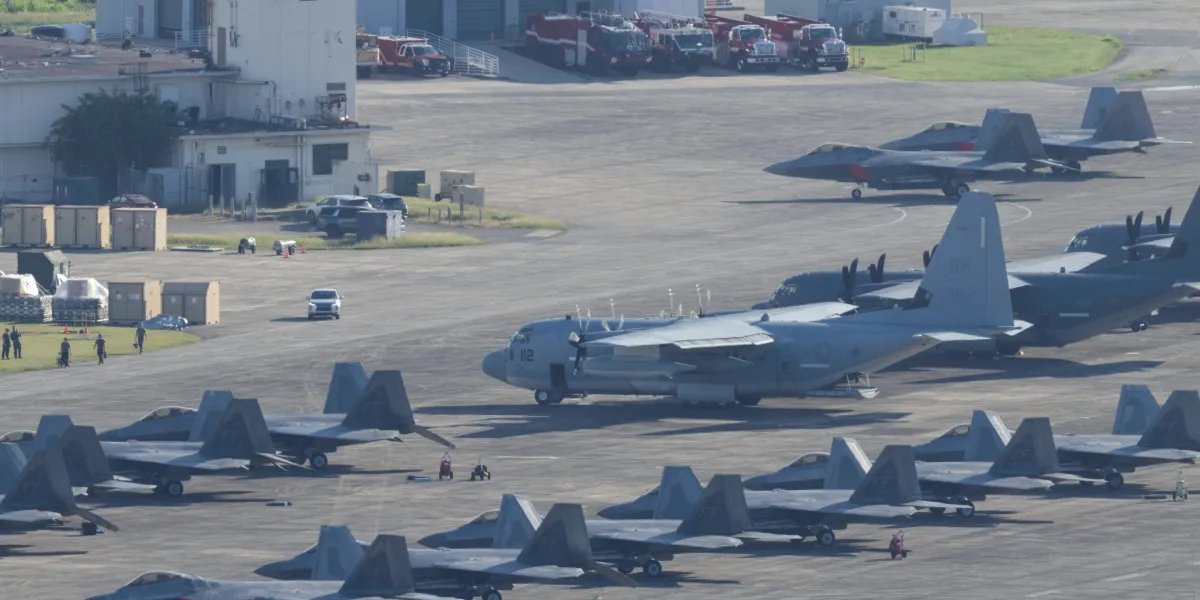
General Dan Caine, Chairman of the Joint Chiefs of Staff, stated that U.S. military personnel had rehearsed the mission for months, gathering intelligence on Maduro’s habits and even constructing a replica of his palace for practice. The operation involved over 150 aircraft and took just 30 minutes to execute under the cover of darkness, which was a crucial aspect of the planned assault. Despite some injuries among American personnel, Trump confirmed no U.S. lives were lost.
Once captured, Maduro and Flores were intended to face legal proceedings in the U.S. related to their alleged involvement in a narco-terrorism conspiracy. This operation marks a significant escalation in U.S. military actions targeting Venezuela, highlighting ongoing geopolitical tensions in the region.
Why this story matters
- Assessment of U.S. foreign policy in Latin America.
Key takeaway
- The operation represents a bold move by the U.S. to assert control over perceived threats from Venezuela.
Opposing viewpoint
- Critics argue this intervention sets a dangerous precedent for U.S. military action in sovereign nations.