

Dr. Mark Johnson believed he had achieved the pinnacle of success after years of rigorous medical training. With a lucrative career, he quickly adopted a lavish lifestyle characterized by an opulent home, luxury vacations, and private education for his children. Working 60-70 hours a week, he felt fulfilled by the gratitude of his patients and the financial security he provided for his family.
However, decades later, the repercussions of his choices became apparent. At 65, Dr. Johnson faced significant health issues, including obesity and chronic conditions like diabetes and hypertension. His personal relationships had suffered due to his absence, and his financial status was precarious. A meeting with a financial planner revealed unsettling truths: despite his high earnings, he had not adequately prepared for retirement and had minimal savings.
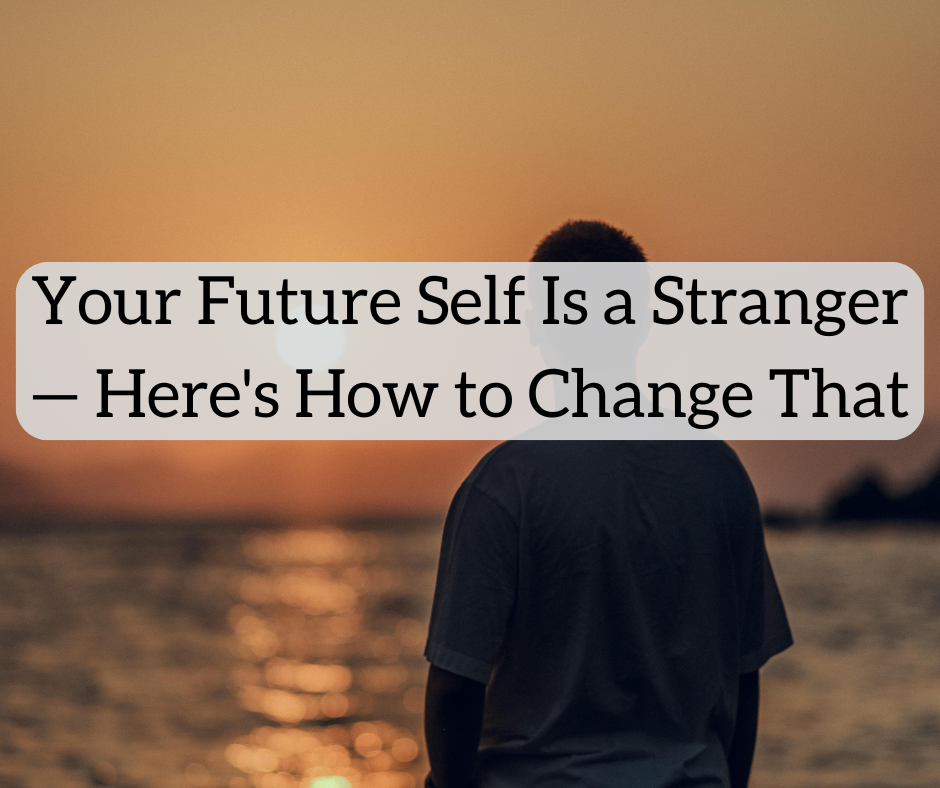
The psychological phenomenon of hyperbolic discounting, where immediate rewards are prioritized over future benefits, played a critical role in Dr. Johnson’s decisions. Research from Dr. Hal Hershfield at UCLA shows that people often perceive their future selves as strangers, making it challenging for them to prioritize long-term well-being.
Dr. Hershfield’s studies suggest strategies to enhance connection with one’s future self, such as visualizing older versions of oneself or committing to automated savings. This heightens awareness of the future’s impact on present decisions, thus promoting better long-term financial planning and health choices.
In summary, Dr. Johnson’s story illustrates the destructive consequences of neglecting one’s future needs in favor of immediate gratification. The importance of integrating long-term thinking into daily choices is vital for achieving a balanced and fulfilling life.
Why this story matters:
- Highlights the dangers of prioritizing immediate rewards over long-term planning.
Key takeaway:
- Building a future-oriented mindset is essential for financial, health, and relational well-being.
Opposing viewpoint:
- Some argue that living for the moment can foster personal happiness and enjoyment, emphasizing the unpredictability of the future.