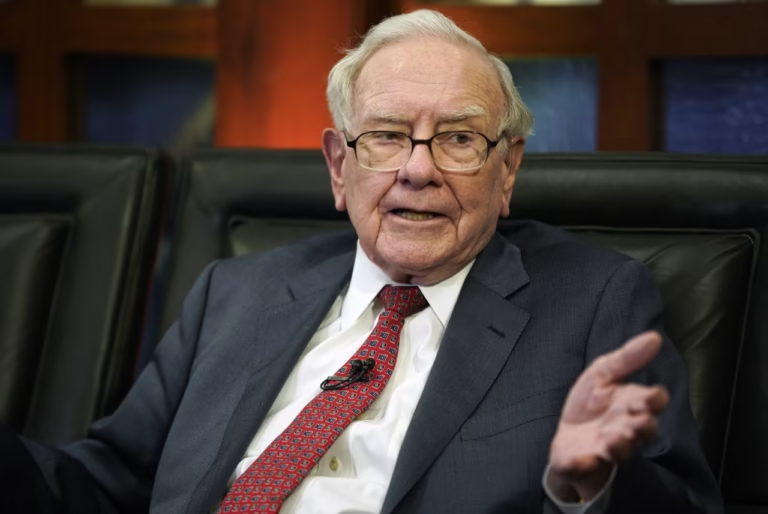



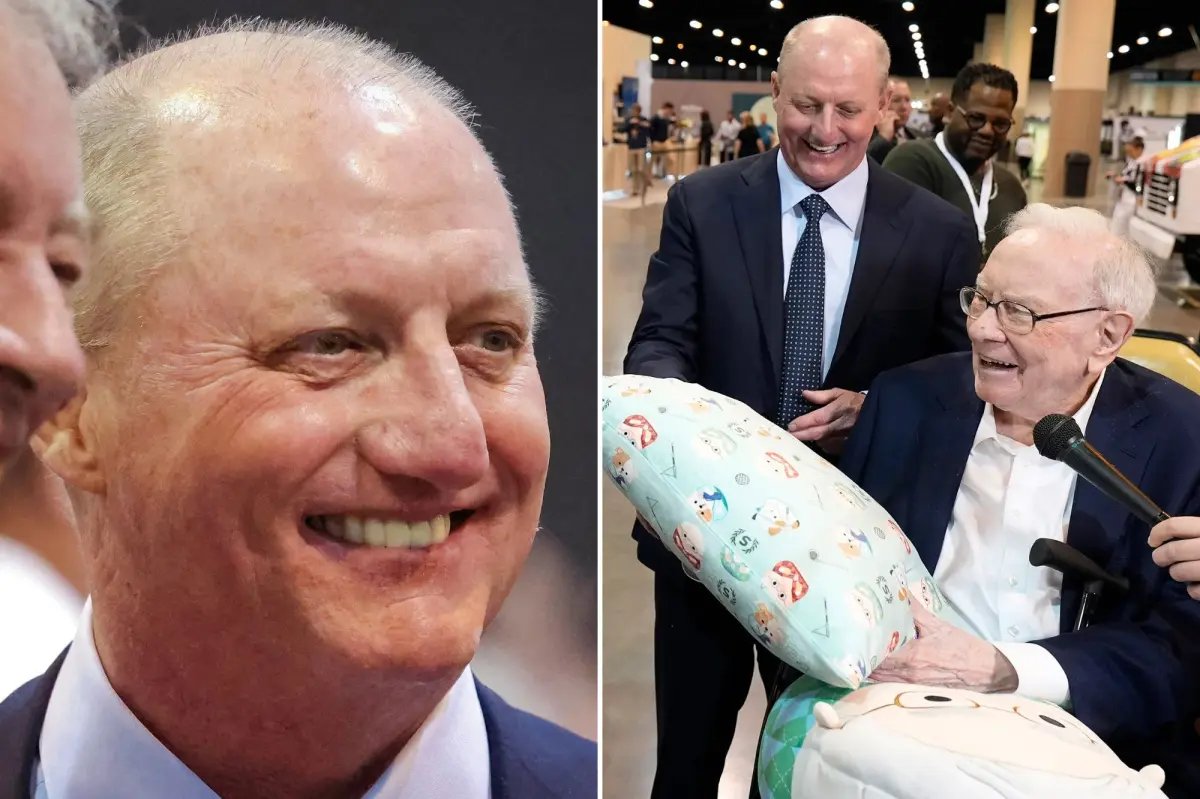
Berkshire Hathaway has announced a substantial increase in the salary of its new Chief Executive, Greg Abel, setting his yearly compensation at $25 million. This figure significantly surpasses the annual salary of $100,000 which Warren Buffett, his predecessor, maintained for over 40 years.
Abel, who took over the role on January 1, has a long history with Berkshire, having served as vice chairman for eight years where he oversaw the company’s non-insurance operations. His compensation package includes a progressive salary structure starting from $16 million in 2022, which included a $3 million bonus, followed by $20 million in 2023, and $21 million slated for 2024.
Similarly, Ajit Jain, the Vice Chairman in charge of Berkshire’s insurance operations, will receive the same salary increases from 2022 to 2024. However, details regarding their compensation in 2025 have yet to be disclosed.
Warren Buffett, now 95 years old, led Berkshire Hathaway for over six decades, transforming it into a leading conglomerate valued at over $1 trillion. The company encompasses nearly 200 businesses, spanning sectors such as insurance, energy, manufacturing, and retail, including notable entities like Geico and BNSF Railway.
Although Buffett remains Berkshire’s chairman and continues to rank among the wealthiest individuals globally, the company has indicated that its executive compensation strategy differs from that of typical public companies. Abel himself holds approximately $171 million in Berkshire stock and recently completed a sale of his 1% stake in Berkshire Hathaway Energy for $870 million.
Bold Points:
- Why this story matters: The increase in Abel’s salary reflects a shift in Berkshire Hathaway’s leadership and compensation strategies.
- Key takeaway: Greg Abel’s compensation marks a significant change from Warren Buffett’s longstanding salary practices.
- Opposing viewpoint: Critics may argue that executive pay should be more closely aligned with the company’s performance and traditional corporate governance practices.