


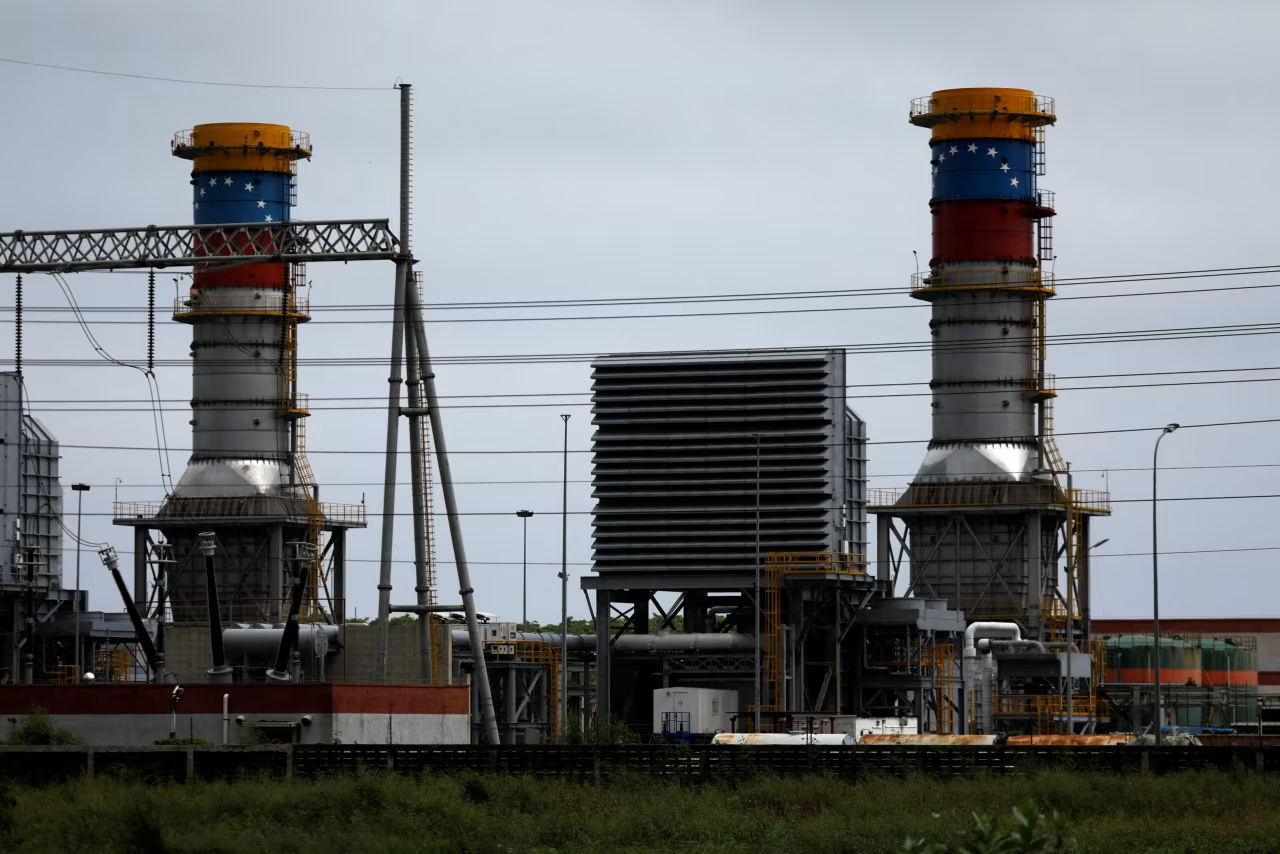
The United States plans to continue the indefinite sale of oil produced in Venezuela, which remains under a blockade. U.S. Energy Secretary Chris Wright announced this decision, highlighting ongoing developments in the country’s energy sector amidst turbulent economic and political conditions.
The Venezuelan oil industry has been significantly affected by sanctions and restrictions aimed at addressing concerns related to governance and human rights. The U.S. strategy aims to leverage Venezuelan production to influence regional stability and enhance energy supplies. However, the approach has received mixed responses regarding its effectiveness and implications for both Venezuela and global oil markets.
Wright emphasized the importance of maintaining a steady flow of oil from Venezuela, which may help alleviate existing disruptions in the global energy supply chain. This initiative comes as countries strive to diversify their energy sources in response to rising prices and geopolitical tensions.
While the decision underscores a strategic priority for U.S. energy policy, it also raises questions about the long-term impacts on Venezuela’s economy and the geopolitical landscape of the region. Ongoing negotiations and dynamics within Venezuela’s government will play a critical role in shaping the future trajectory of the country’s energy sector.
Why this story matters
- It highlights the U.S. approach to influencing Venezuelan governance through energy policy.
Key takeaway
- The U.S. is committed to the indefinite sale of Venezuelan oil as part of its energy strategy.
Opposing viewpoint
- Critics argue that the U.S. actions may exacerbate Venezuela’s economic struggles and hinder recovery efforts.