



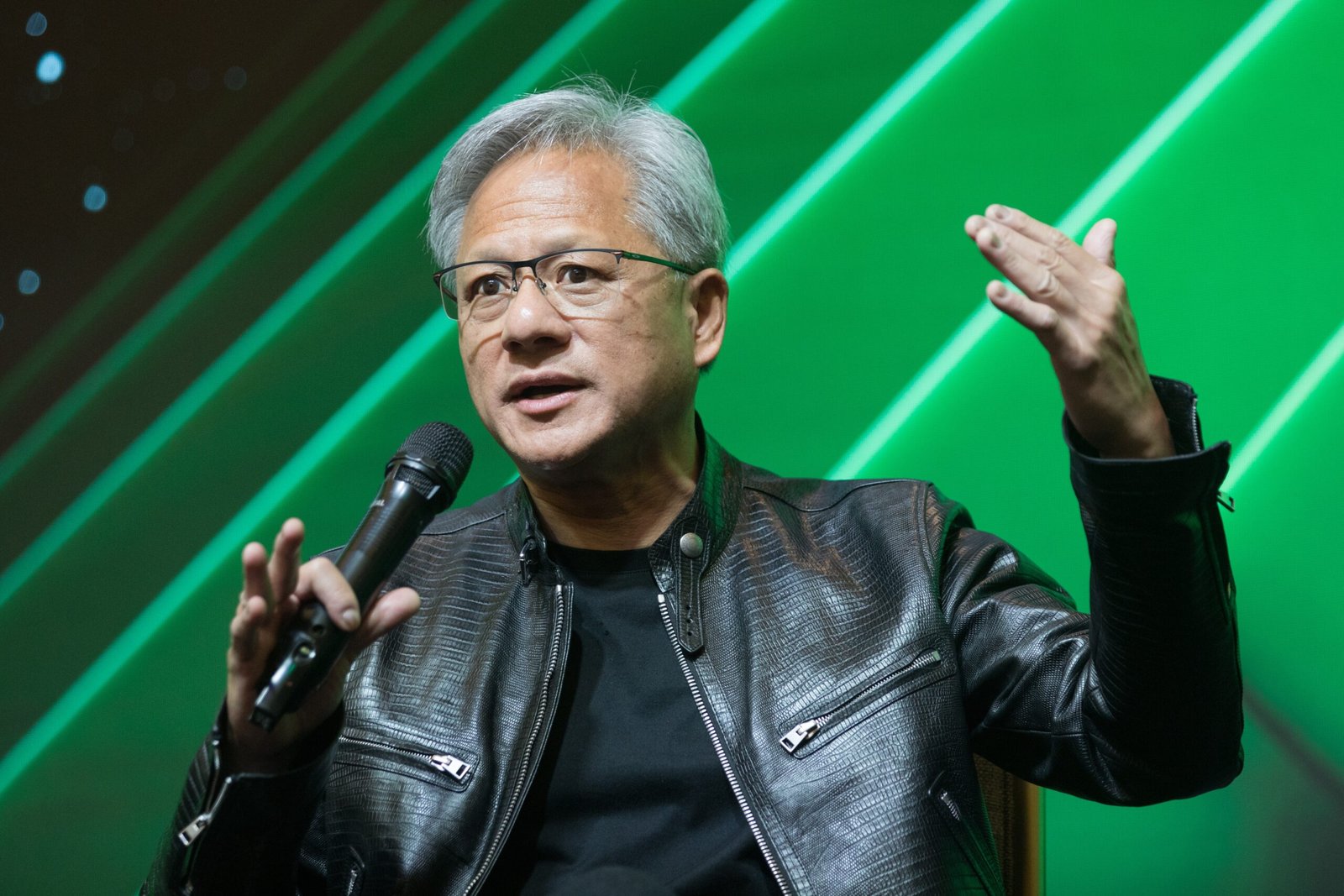
In Las Vegas, the CES conference showcased cutting-edge technological advancements, with Nvidia CEO Jensen Huang delivering a significant keynote address. Although Huang’s live presentation was missed, a thorough review of the keynote revealed critical insights into the future of artificial intelligence (AI).
Huang emphasized the transition from cloud-based AI to “physical AI,” underscoring the need for systems that can perceive, reason, and act within the physical world. This shift marks a new phase in AI development, moving beyond mere data generation to the integration of AI into physical machines.
At CES, Huang introduced Nvidia’s latest computing platform, Vera Rubin, which combines advanced hardware components into a single system architecture. This platform promises over 3 exaFLOPS of inference performance, facilitating efficient, real-time processing for demanding AI applications such as autonomous vehicles and industrial robotics. The ability to train AI systems continuously in virtual environments is also a focus, reducing costs and enhancing developmental timelines.
Nvidia’s strategic decisions highlight a broader vision of becoming the foundational operating system for intelligent machines. The company’s impressive financial performance—generating around $57 billion in revenue—reflects its growing dominance in the AI infrastructure market, driven primarily by data center sales.
As autonomous vehicles and other advanced systems emerge, the need for robust AI training and operation becomes critical. Nvidia’s integrated platform addresses these future demands, positioning the company favorably in a competitive landscape where building comprehensive AI solutions is increasingly challenging.
Why this story matters
- The evolution of AI influences multiple industries, from automotive to industrial automation.
Key takeaway
- Nvidia is paving the way for the next era of AI by focusing on integrated systems capable of operating in the real world.
Opposing viewpoint
- Critics may argue that the dependency on physical AI could raise concerns regarding safety and ethical implications in real-world applications.