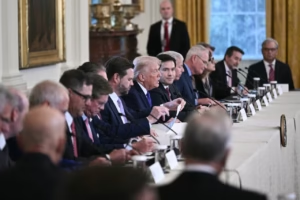



U.S. military forces recently apprehended Venezuelan President Nicolás Maduro in a controversial operation linked to longstanding drug trafficking indictments. The Trump administration characterized the mission as a necessary measure to dismantle a so-called narco-state and initiate a political transition in Venezuela, a nation that has significantly diminished its oil production.
This decisive action signals a shift in U.S. foreign policy, suggesting a greater willingness to employ military interventions to secure national interests. Observers note that this event may play a pivotal role in broader geostrategic maneuvers, potentially setting the stage for future U.S. actions, including interest in acquiring Greenland.
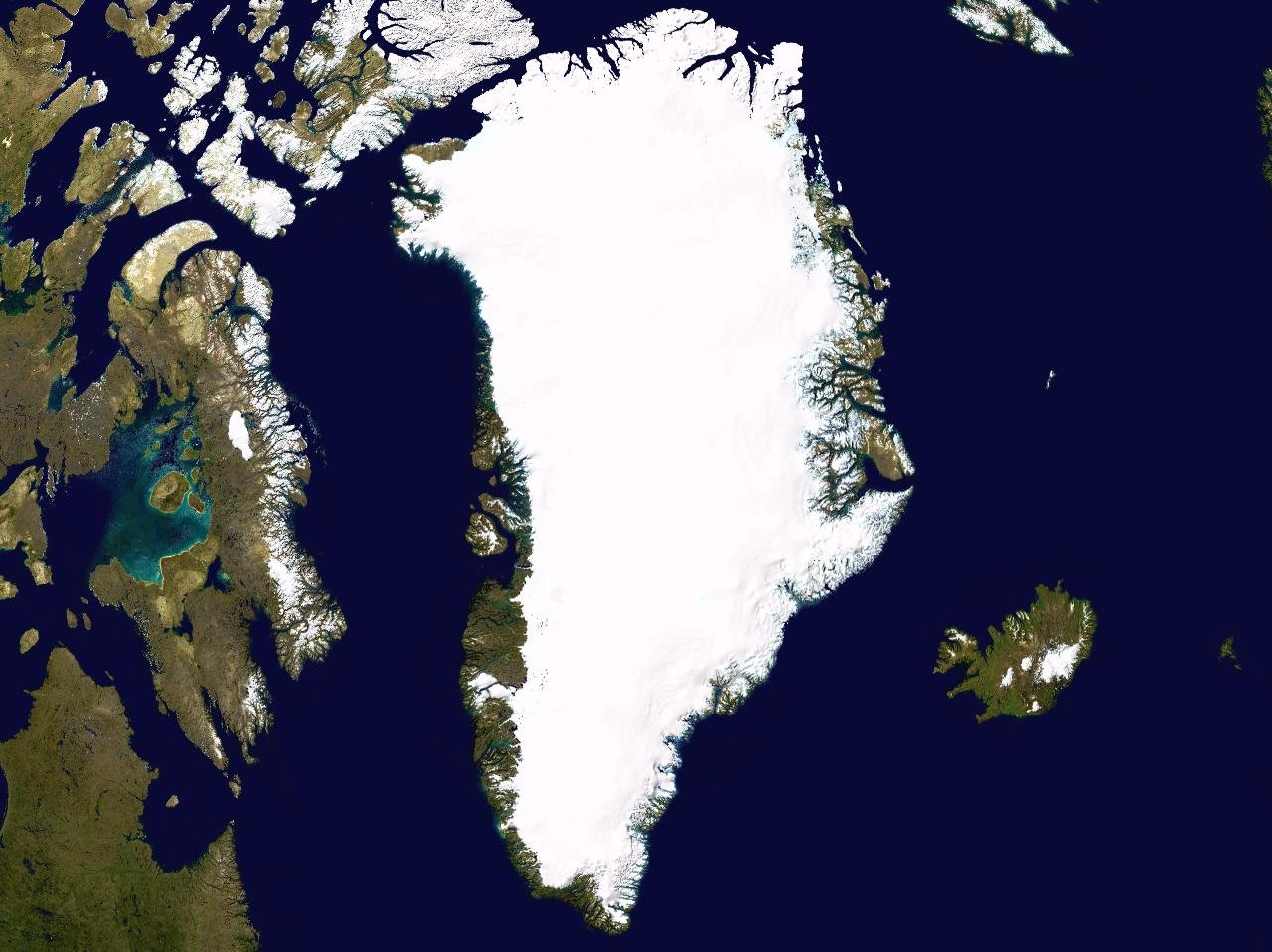
Significantly, Greenland is viewed as a strategic asset due to its valuable natural resources, including untapped oil and gas reserves, as well as rare earth minerals crucial for advanced technology and weapons systems. The Arctic region is becoming increasingly important as climate change alters navigability and access. With its potential shipping routes reducing transit times between markets, Greenland’s geographical position enhances U.S. leverage in global trade and energy security.
As tensions escalate in the Arctic with both Russia and China increasing their presence and investments, the White House has expressed interest in securing Greenland, contemplating various strategies, including military options. The evolving political landscape may offer the U.S. a unique opportunity to assert its influence over both energy supplies and trade routes while enhancing national defense capabilities.
Bold Points:
- Why this story matters: It illustrates a potential shift in U.S. military engagement in Latin America and beyond, reshaping geopolitical alliances and resource control.
- Key takeaway: The operation in Venezuela highlights the Trump administration’s readiness to leverage military power for strategic interests, particularly regarding energy and trade.
- Opposing viewpoint: Critics may argue that such interventions could lead to unintended consequences, including regional instability and anti-American sentiment.