



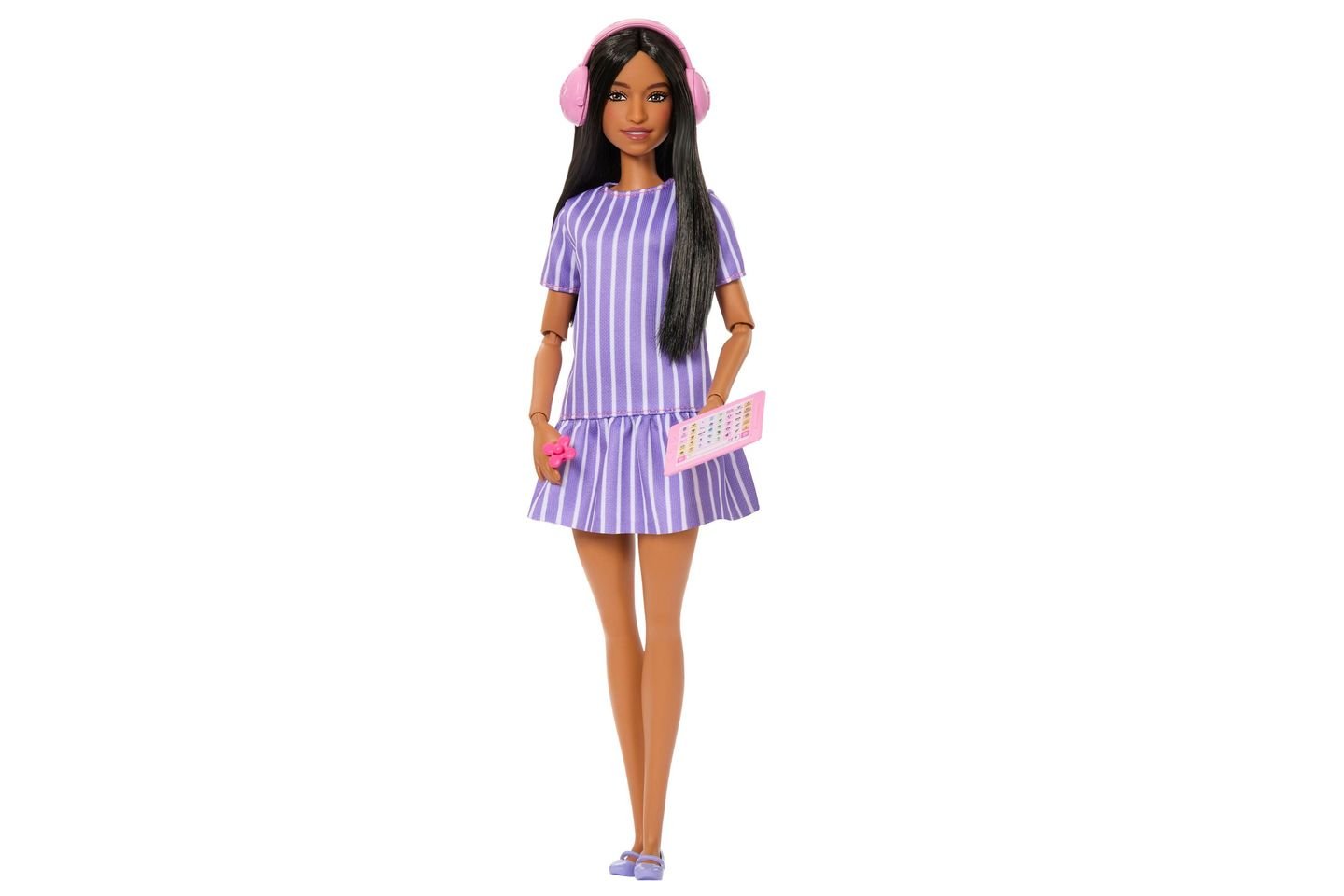
Mattel Inc. is set to unveil an autistic Barbie on Monday, expanding its line of dolls designed to promote diversity and inclusion. This new addition will join an existing collection that features Barbies representing a range of abilities and backgrounds, including those with Down syndrome, blindness, and vitiligo, among others. The initiative reflects Mattel’s commitment to providing children with relatable role models and fostering acceptance of different abilities.
The introduction of the autistic Barbie aims to raise awareness and understanding of autism, encouraging conversations about inclusivity within society. This doll represents a step towards normalizing neurodiversity in children’s toys, aligning with broader societal efforts to celebrate differences and promote empathy among young audiences.
As Mattel continues to diversify its offerings, it underscores the importance of representation in play, allowing children to see themselves and others reflected in their toys. This move is anticipated to resonate with families seeking more inclusive products for their children.
Why this story matters:
- The introduction of an autistic Barbie signifies a growing recognition of neurodiversity in children’s toys, promoting broader acceptance.
Key takeaway:
- Mattel is expanding its commitment to inclusion with the launch of an autistic Barbie, enhancing representation in its doll line.
Opposing viewpoint:
- Some critics argue that while diversity in dolls is important, marketing strategies should focus on the quality and educational value of toys rather than solely on representation.