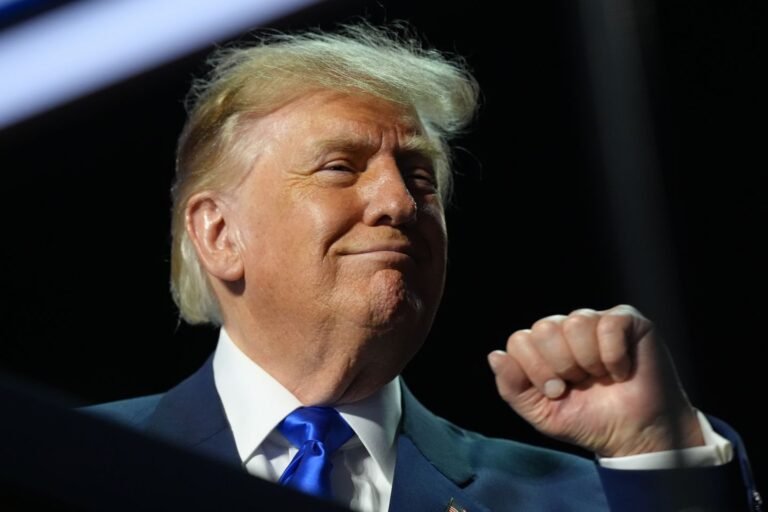




Treasury Secretary Scott Bessent stated on Tuesday that President Trump has expressed interest in acquiring Greenland as a strategic measure to avert potential conflict. Bessent emphasized that the motivation behind this interest is to mitigate risks associated with a possible foreign incursion, suggesting that this acquisition could serve as a means to promote stability and peace.
Bessent’s remarks highlight a shift in foreign policy considerations, where territorial acquisitions are viewed as preventive measures rather than reactive strategies. This perspective aligns with broader discussions on national security and the importance of maintaining geopolitical stability in regions of strategic interest.
While the idea of acquiring Greenland has drawn mixed reactions domestically and internationally, Bessent’s comments underscore a proactive approach to foreign policy, rooted in the desire to deter conflicts before they escalate into larger confrontations.
Why this story matters
- Understanding the U.S. administration’s strategy for national security and territorial interests.
Key takeaway
- The interest in Greenland reflects a preventive approach to foreign relations and conflict avoidance.
Opposing viewpoint
- Critics argue that such ambitions could exacerbate tensions with other nations rather than foster stability.