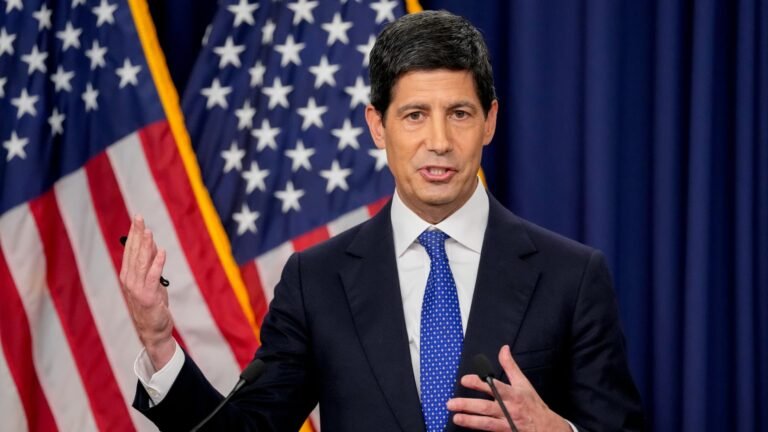


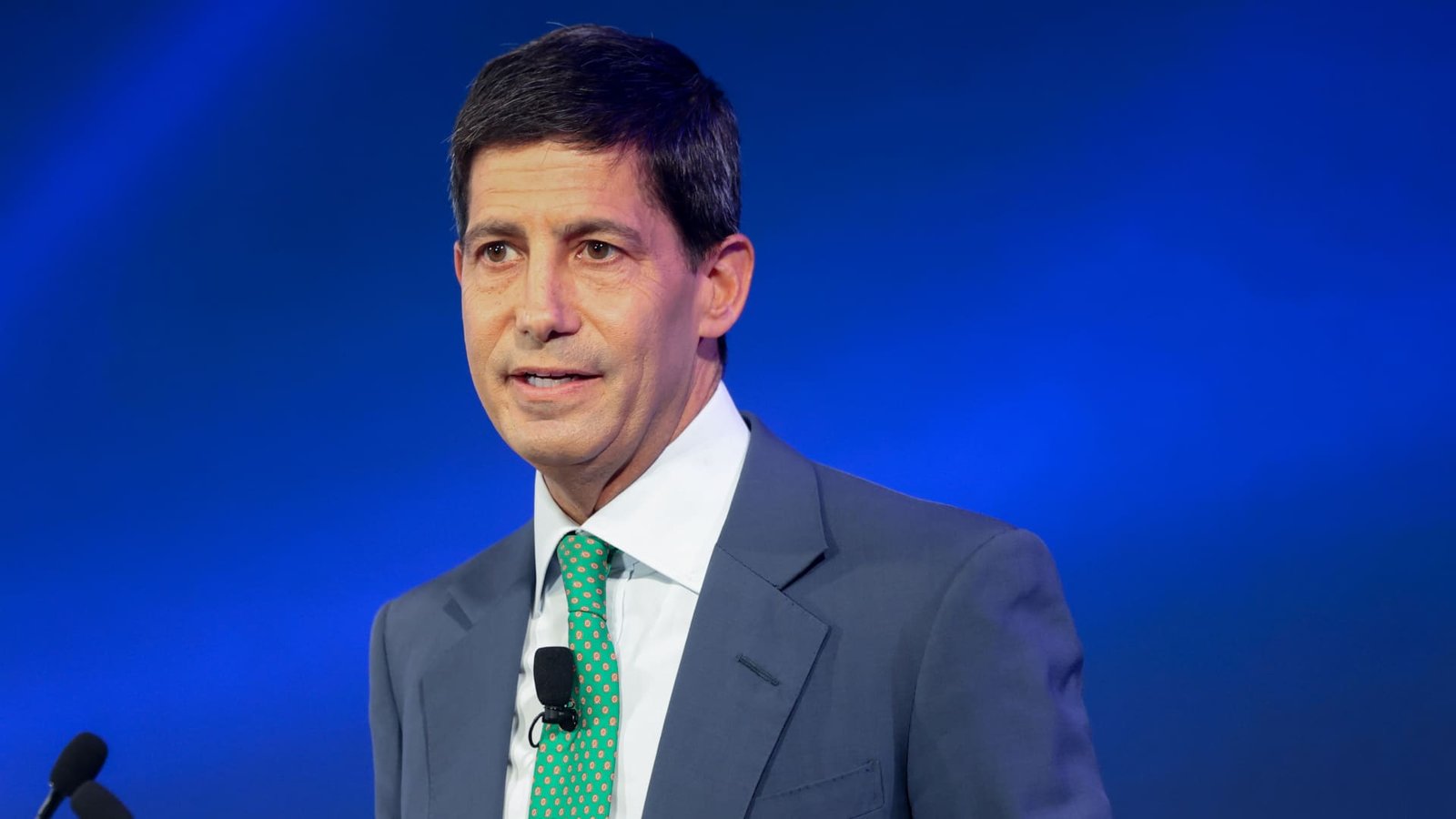
Kevin Warsh has been appointed by President Donald Trump to serve as the next chair of the Federal Reserve, a significant shift from his previous tenure during the global financial crisis from 2006 to 2011. Warsh, a Stanford graduate with a law degree from Harvard, was one of the youngest governors in the Fed’s history, playing a pivotal role in emergency lending programs aimed at stabilizing the economy. Despite his contributions, he has been critical of the Fed’s aggressive policies post-crisis, asserting that they could lead to future market distortions.
Warsh is known for opposing certain quantitative easing measures and has called for a re-evaluation of the Fed’s direction, suggesting it veers towards mission creep. This appointment signals a philosophical departure from current chair Jerome Powell, as Warsh may advocate for a more hawkish stance on inflation and monetary policy.
While Trump emphasized Warsh’s background in his announcement, there are concerns about how effectively he can navigate the Federal Open Market Committee, where many members resist further rate cuts until clearer signs of inflation stabilization emerge. Analysts have described Warsh as a pragmatist, potentially capable of influencing the committee’s outlook, even as the broader Fed remains cautious and data-driven. His nomination comes at a politically sensitive time, with ongoing investigations into the Fed’s operations and potential hurdles in securing Senate confirmation.
The outcome of Warsh’s chairmanship may shape the Fed’s approach in the coming years, particularly regarding interest rates in a fluctuating economic landscape.
Why this story matters:
- Warsh’s appointment could significantly influence U.S. monetary policy.
Key takeaway:
- His track record suggests both continuity and change in the Fed’s philosophy toward inflation and economic stabilization.
Opposing viewpoint:
- Some commentators warn that Warsh’s readiness for aggressive rate cuts may not align with the cautious approach favored by many current Fed members.