
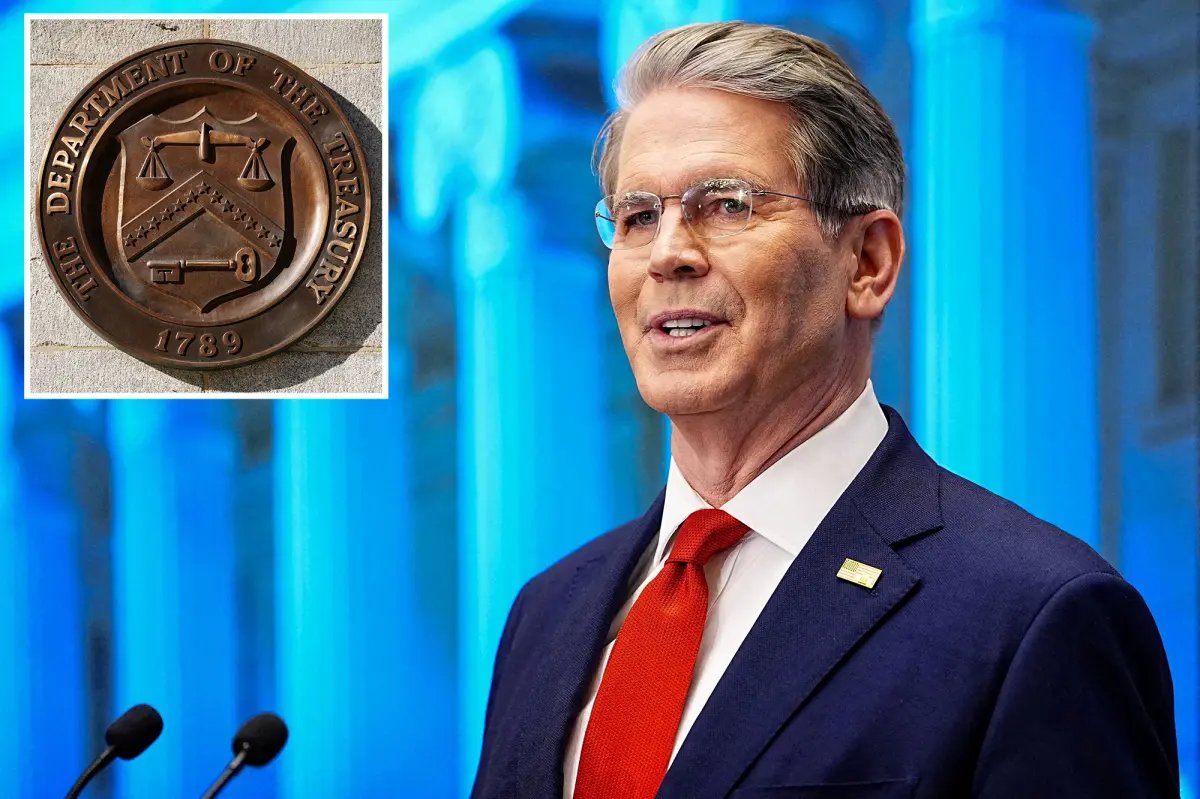
Treasury Secretary Scott Bessent is initiating a search for a senior official, often termed a “top cop,” to oversee nonprofit organizations and detect potential misuse of their tax-exempt status. The objective is to ensure that charitable entities do not engage in excessive political activities, lobbying, or fraud, which can compromise their intended purposes.
This initiative aligns with ongoing concerns regarding the “dark money” associated with certain nonprofits, raised in part by the Minnesota Somali fraud scandal. This incident highlighted cases where organizations, such as Feeding Our Future, falsely claimed to provide meals to impoverished children while misappropriating federal funds for personal luxuries. A prominent figure in this case was convicted for orchestrating a $250 million welfare fraud scheme, emphasizing the need for greater scrutiny.
Bessent’s previous chief of staff, Michael Friedman, was set to compile a list of candidates for this critical position prior to his recent move to the Securities and Exchange Commission. The new appointee will be crucial in directing an interagency task force aimed at addressing improperly functioning 501(c)(3) organizations.
In addition to the broader efforts, specific groups, such as the Council on American-Islamic Relations (CAIR), are under examination. Retaining ties with alleged foreign sponsors has raised questions about whether these organizations properly meet the criteria for nonprofit status.
Officials stress that any measures taken against nonprofit groups must adhere to legal requirements and principles, avoiding any appearance of political bias.
Why this story matters: The oversight of nonprofits is essential to maintaining the integrity of charitable organizations and ensuring they serve their intended purposes without exploiting tax benefits.
Key takeaway: The Treasury Department is seeking to enhance scrutiny of nonprofits to prevent fraud and misuse of their tax-exempt status.
Opposing viewpoint: Critics argue that stringent measures could be misused for political gain, jeopardizing legitimate organizations.