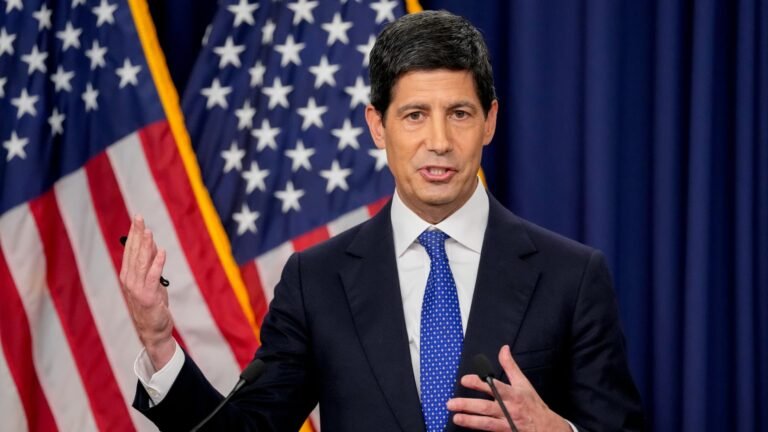

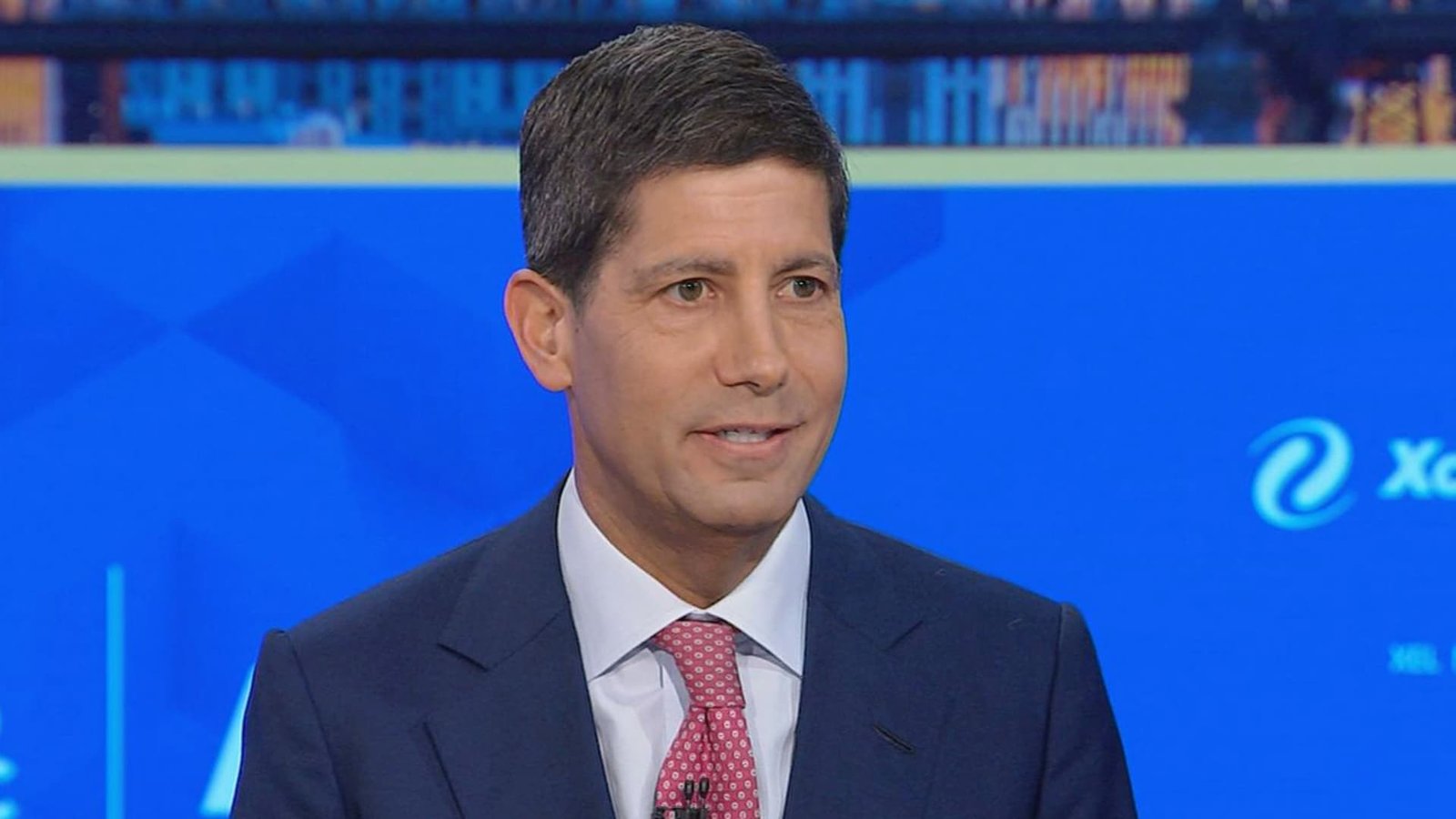
President Donald Trump has appointed Kevin Warsh as the new chair of the Federal Reserve, replacing Jerome Powell. This decision follows a prolonged period of criticism from Trump directed at Powell since he took office in 2018. In a statement on Truth Social, Trump expressed his confidence in Warsh, describing him as a potential “great” Fed chairman.
Warsh, 55, brings a wealth of experience from his previous tenure at the Federal Reserve and has garnered respect in financial markets. Analysts anticipate that his leadership will not provoke significant market disruptions, although initial stock market futures reflected some negativity following the announcement. Warsh’s confirmation is pending in the Senate; he is expected to assume office in May after Powell’s term concludes.
Trump’s nominating process involved a competitive selection from a pool of candidates that included notable economists and current Fed officials. Ultimately, Warsh’s selection was positioned as part of Trump’s broader focus on reducing interest rates and exerting political influence over the Fed.
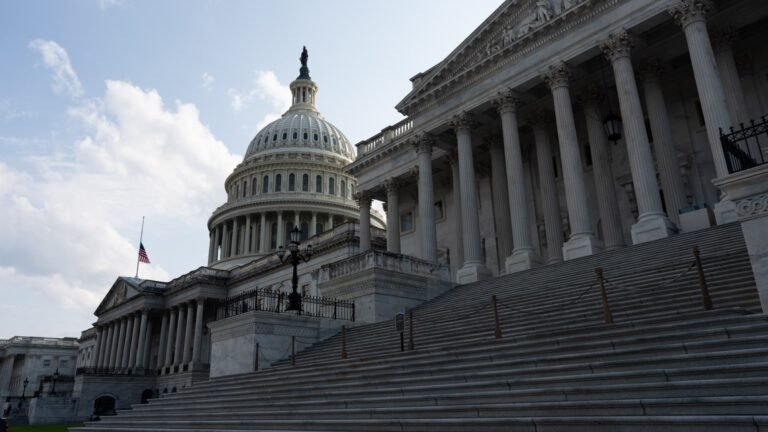
The nomination arrives at a critical juncture for the central bank, marked by ongoing inflation and increasing government borrowing, prompting concerns about the Fed’s independence. Trump has criticized Powell’s leadership and has maintained pressure for aggressive interest rate cuts, complicating Warsh’s anticipated role. Senate opposition is anticipated, particularly from Republican Sen. Thom Tillis, who has stated he will block Fed nominees until investigations into Powell’s actions are resolved.
Despite these challenges, support for Warsh exists within Congress, notably from Sen. Tim Scott, who underscored Warsh’s qualifications and the importance of the Fed’s decisions on households across America.
Why this story matters
- The appointment of Warsh highlights ongoing tensions between political leadership and central bank independence.
Key takeaway
- Warsh’s nomination signals a potential shift in monetary policy direction amid presidential influence.
Opposing viewpoint
- Critics argue that Trump’s push for lower interest rates undermines the Fed’s credibility and independence.