

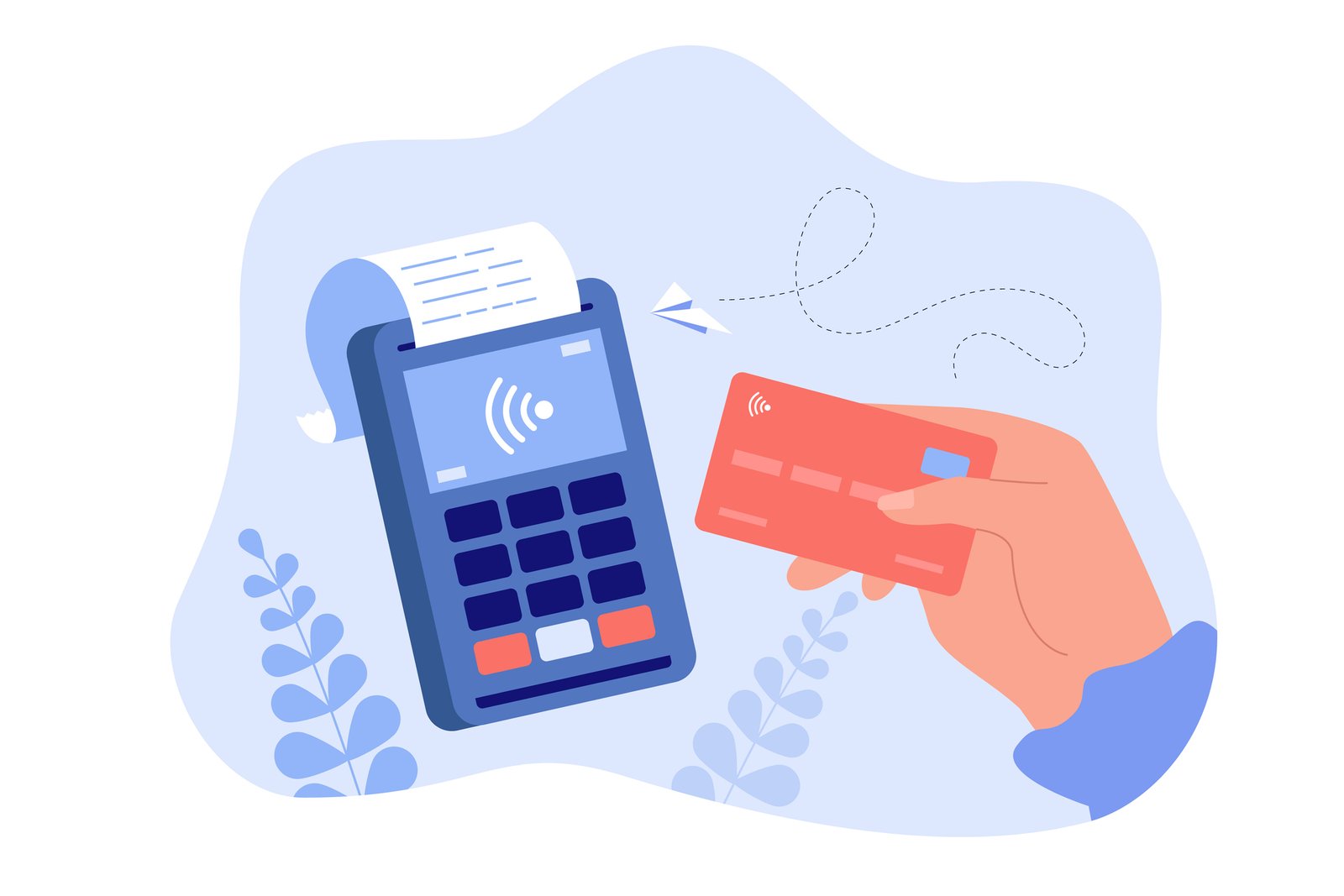
The method of accepting payments is vital for small businesses, reflecting the ongoing trend of consumers favoring contactless transactions. Data from UK Finance indicates that card payments made up 64% of total payments in the UK in 2024, signaling a shift away from cash.
Modern payment systems are increasingly integrated, connecting directly to point-of-sale systems, inventory management, and even bank accounts, allowing businesses to borrow against real-time sales data. To adapt, small businesses need mechanisms to process traditional debit and credit card transactions, new smartphone wallets like Apple Pay and Google Pay, and potentially even cryptocurrencies.
Mobile payment solutions have empowered self-employed individuals, such as mobile hairdressers or food truck operators, who no longer need to rely on cash. Portable card readers that link to smartphones have enhanced ease of use. Unlike older fixed terminals that often required lengthy contracts, these new solutions typically operate on a paid-per-transaction basis, offering greater flexibility.
Costs associated with mobile payment solutions can vary. The initial investment for a card reader can range from £19 to £59 plus VAT, while transaction fees typically span from 0.3% to 1.75%. Some providers offer reduced rates for higher transaction volumes, allowing businesses to save as they scale.
While the demand for contactless payments continues to grow, small businesses must be prepared to offer a variety of payment options to meet customer preferences. As consumers increasingly choose digital transactions, having the right payment method in place is not just advantageous, but essential.
Why this story matters: The evolution of payment methods directly impacts customer satisfaction and business growth for small enterprises.
Key takeaway: Small businesses must adapt to a variety of payment methods, including contactless and digital wallets, to remain competitive.
Opposing viewpoint: Some small businesses may prefer traditional cash transactions, viewing them as simpler or more secure, despite the rising trend towards digital payments.