



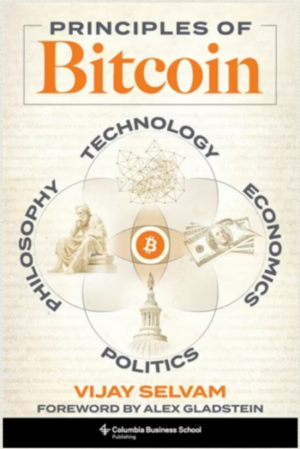
The landscape of decentralized finance continues to evolve, with Bitcoin, a relatively new digital asset just sixteen years old, capturing widespread interest. This attention is further amplified by recent shifts in the regulatory environment in the United States, prompting a more nuanced understanding of Bitcoin’s multi-dimensional nature. In “Principles of Bitcoin,” author Vijay Selvam explores the intersections of technology, economics, politics, and philosophy surrounding this digital currency. His analysis is particularly beneficial for policymakers, economists, and finance professionals familiar with traditional asset valuation, as Bitcoin presents unique challenges and opportunities that diverge from conventional models.
Having a background in law and finance, Selvam approaches Bitcoin with a healthy skepticism shaped by his experiences during the 2008 financial crisis. This perspective fueled his recognition of the need for a comprehensive resource on Bitcoin. His book attempts to contextualize Bitcoin’s reputation, emphasizing the necessity to rethink traditional valuation approaches in light of this emerging asset.
Selvam discusses Bitcoin’s technological architecture, which employs cryptography and decentralized systems to create a transparent digital asset resistant to double-spending and censorship. He posits that Bitcoin can serve as a safeguard against economic instability and governmental overreach. Noteworthy is the claim that Bitcoin’s decentralized nature may make it a viable alternative for the unbanked and a global reserve asset.
Additionally, Selvam addresses concerns about Bitcoin’s environmental impact, suggesting that its role may actually facilitate a transition to sustainable energy sources. Despite the skepticism that Bitcoin often faces—exacerbated by its association with illicit activities—Selvam argues for its potential value, urging readers to approach the subject with curiosity and an open mind.
Why this story matters: Understanding Bitcoin’s complexities is crucial in today’s rapidly changing financial landscape.
Key takeaway: Bitcoin represents a transformative shift in finance, requiring a reevaluation of traditional asset valuation principles.
Opposing viewpoint: Skeptics highlight the risks of Bitcoin’s association with criminal activities and its perceived environmental impact.