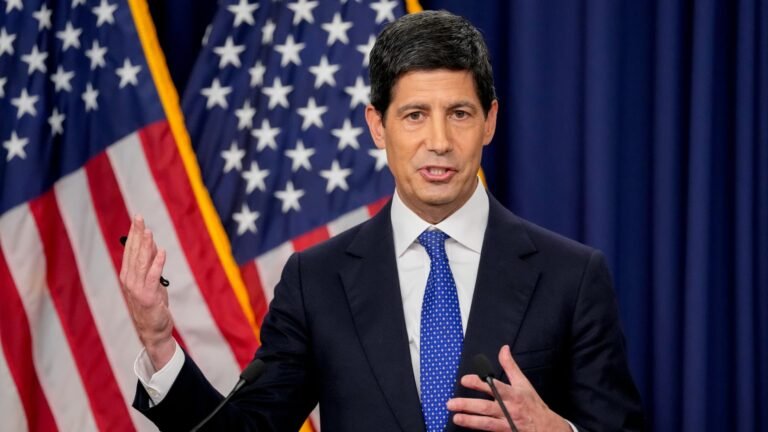



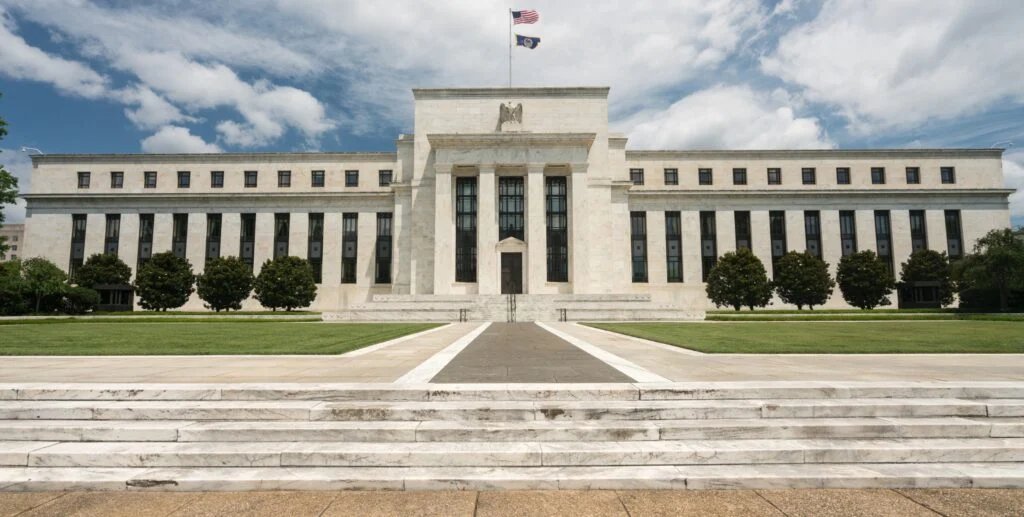
As speculation grows around the expected policies of incoming Federal Reserve Chair Kevin Warsh, market enthusiasts are advised to remain cautious. Warsh, a former Fed Board member and critic, has expressed a desire to lower interest rates to stimulate the housing market. He received President Trump’s nomination partly due to this stance. Trump has publicly praised Warsh, suggesting he may become a notable Fed chairman.
Despite the optimism surrounding Warsh, analysts caution that significant interest rate cuts may not materialize quickly. A recent forecast indicates that any reductions will likely be modest and gradual. Warsh’s tenure as chair begins in June, and he will face challenges in balancing Trump’s wishes with the Fed’s institutional norms. This situation mirrors past occurrences where Trump’s nominees have faced criticism once in office.
While Warsh shares a priority with outgoing chair Jerome Powell—bringing inflation down to 2%—he will need to adhere to a data-driven approach, making large cuts dependent on economic indicators. Historical patterns suggest that Fed chairs often face backlash when their policies do not align with presidential expectations.
For real estate investors, this uncertainty around mortgage rates presents both challenges and opportunities. Investors are advised to develop strategies based on the current economic landscape while remaining vigilant to potential future changes. Some experts predict rates could dip below 5% by the end of 2026, but no guarantees exist. Investors are encouraged to explore shorter-term mortgage options and maintain strong relationships with lenders, as market conditions remain fluid.
Recent insights suggest it is crucial for landlords to foster tenant retention and consider financial maneuvers that enable stability through uncertain times, as they navigate evolving mortgage rates.
Why this story matters
- The appointment of Warsh may significantly influence U.S. monetary policy and economic conditions.
Key takeaway
- Caution is advised as potential interest rate cuts may be modest rather than transformative.
Opposing viewpoint
- Some believe aggressive rate reductions could stimulate the market more than a gradual approach, enhancing housing affordability.