


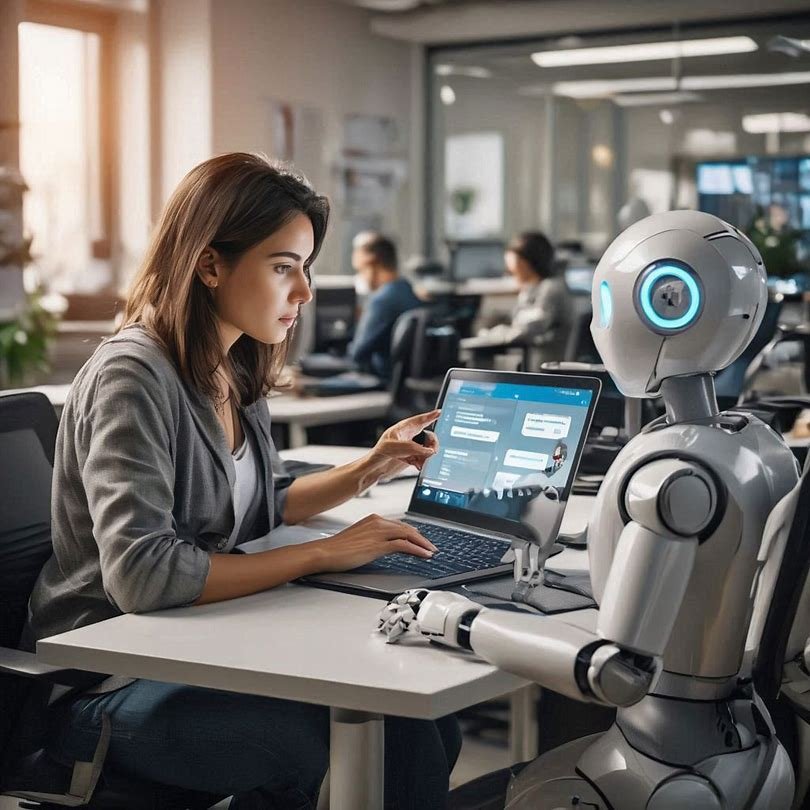
Anthropic has introduced a new artificial intelligence tool, Claude Code, which exemplifies a significant advancement in AI capabilities. Operating on the company’s Claude Opus 4.5 model, Claude Code is intended to function within real development environments, allowing it to read and modify files, reason through codebases, run tests, debug errors, and iteratively improve solutions.
Users have reported that Claude Code can autonomously progress on tasks, often continuing to refine its outputs even when users return after a period of inactivity. This represents a notable shift in AI behavior from merely answering queries to actively performing tasks without the necessity for continuous human direction.
The evolution of AI systems is marked by three key components: knowledge, reasoning, and iteration. Early models, like ChatGPT, provided reactive responses but lacked the ability to carry tasks forward autonomously. Progress has been made with systems now demonstrating improved capabilities in multi-step logic and debugging tasks. Claude Code is heralded as a leading example of an AI that incorporates these advancements, embodying traits such as persistence and self-correction which bring it closer to working alongside human teams.
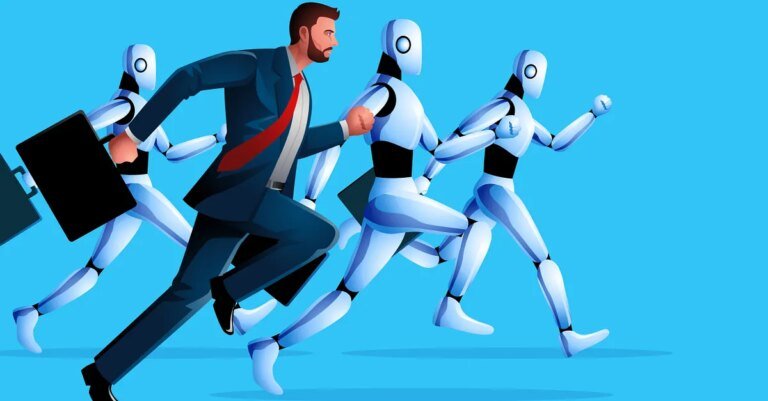
Research suggests that the ability of AI systems to maintain goal-directed tasks without human interference has been increasing exponentially. Projections indicate that by 2028, AI could handle tasks that currently take human experts an entire day, significantly transforming workplace productivity and the nature of labor.
Why this story matters:
- Significant progress in AI autonomy may reshape the workforce and productivity expectations.
Key takeaway:
- Advancements like Claude Code indicate a shift from AI simply answering questions to actively completing tasks, potentially transforming how work is managed.
Opposing viewpoint:
- While many celebrate these advancements, concerns remain about the implications for job displacement and the ethical considerations surrounding autonomous decision-making in AI.