


Chinese policymakers are considering the introduction of a tax on sugary beverages, a move that could generate significant revenue and align the country with global trends in public health. Currently, China is one of the few major economies without a nationwide tax on sugar-sweetened drinks. As of mid-2024, over 116 countries have implemented such taxes, supported by the World Health Organization (WHO) to combat health issues linked to high sugar consumption.
Ahead of China’s annual political meetings, discussions have emerged regarding a targeted tax on drinks with the highest sugar content. This initiative could help address the nation’s growing fiscal deficit while addressing serious public health concerns, as excessive sugar intake contributes to obesity and related diseases, including cardiovascular conditions and diabetes.
Experts advocate for a tax rate of at least 20% on sugary drinks, which could lead to a retail price increase by as much as 50% by 2035. Current average daily sugar consumption in China is estimated to be 30 grams per person, surpassing health guidelines recommending a limit of 25 grams.
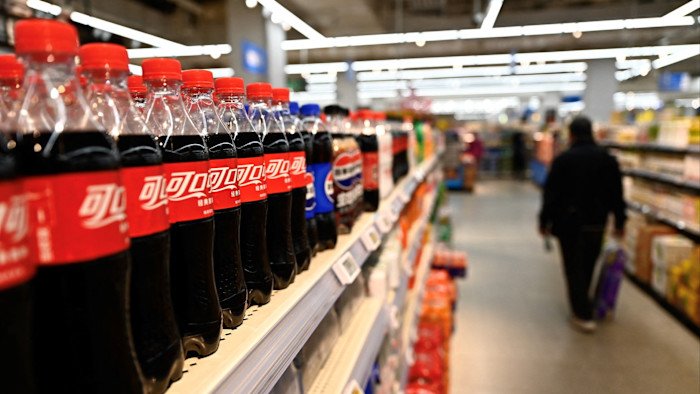
Research indicates that a 20% tax could help prevent approximately 130,000 premature deaths and generate around Rmb295.5 billion ($43 billion) over 24 years. Despite the rapid growth in awareness and availability of sugar-free alternatives, nearly 90% of the beverage market remains dominated by sugary drinks, with Coca-Cola accounting for a substantial share.
While public sentiment shows some support for sugar regulation, psychological factors and consumer habits may limit the effectiveness of the proposed tax, raising concerns about whether financial incentives alone can alter purchasing behaviors regarding sugary beverages.
Why this story matters: It highlights the intersection of public health and fiscal policy in addressing sugar consumption in China.
Key takeaway: A proposed sugar tax may bolster public health efforts while providing significant revenue, but its effectiveness remains uncertain.
Opposing viewpoint: Despite potential health benefits, consumer habits and preferences may undermine the impact of the tax on sugary drink sales.