



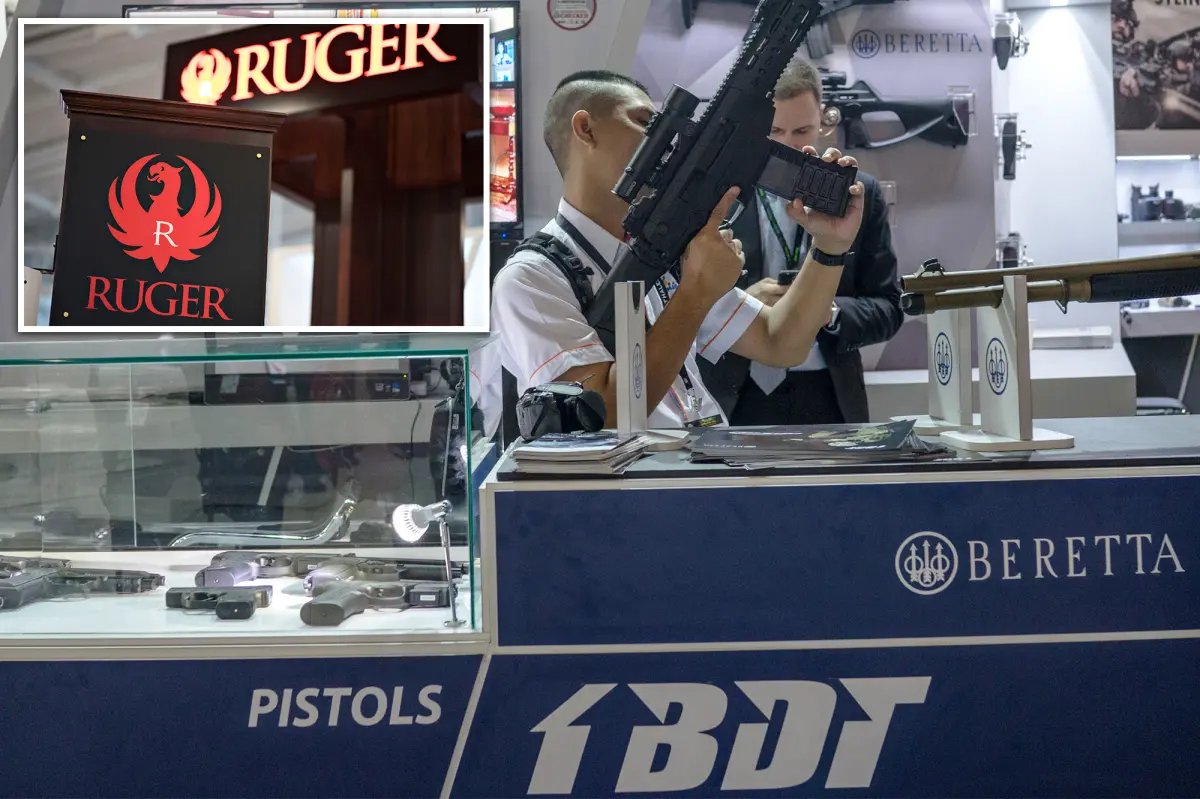
Italian gun manufacturer Beretta is initiating a proxy fight to gain control of Sturm, Ruger & Co., the largest firearms maker in the United States. Sources indicate that Beretta, which currently holds a 10% stake in the Hartford, Connecticut-based company, aims to nominate four executives for Ruger’s nine-member board, seeking greater influence over its primary competitor, Smith & Wesson.
The proposed nominees include William Franklin Detwiler, managing partner at Fernbrook Capital Management; Mark DeYoung, founding CEO of Vista Outdoor; Frederick Disanto, CEO of Ancora Holdings; and Michael Christodolou, founder of Inwood Capital Management. This strategic move comes in the context of declining sales and a significant drop in Ruger’s share price, which has fallen over 40% in the past five years. As of the latest closing, Ruger’s market capitalization was approximately $581 million.
The proxy fight is characterized as an unfriendly contest where shareholders seek to persuade others to replace the current board. A vote on Beretta’s nominees is anticipated during Ruger’s annual general meeting scheduled for May 29. Following Beretta’s initial stake acquisition, Ruger has implemented a one-year shareholder rights plan to counter potential hostile takeovers, a tactic often referred to as a “poison pill.” This strategy aims to limit an acquiring firm’s influence by diluting its ownership beyond a certain threshold.
Founded in 1526, Beretta has demonstrated growth ambitions in the U.S. firearms market, which is the largest globally due to the Second Amendment, and has previously acquired other companies, including Switzerland’s RUAG Ammotec in 2022.
Why this story matters:
- It highlights the competitive landscape of the U.S. firearms industry.
- The outcome may influence future consolidations in the sector.
Key takeaway:
- Beretta is positioning itself to expand its influence in the U.S. by targeting Ruger’s board.
Opposing viewpoint:
- Ruger’s management and existing shareholders may resist Beretta’s encroachment, viewing it as a threat to their operational stability.