
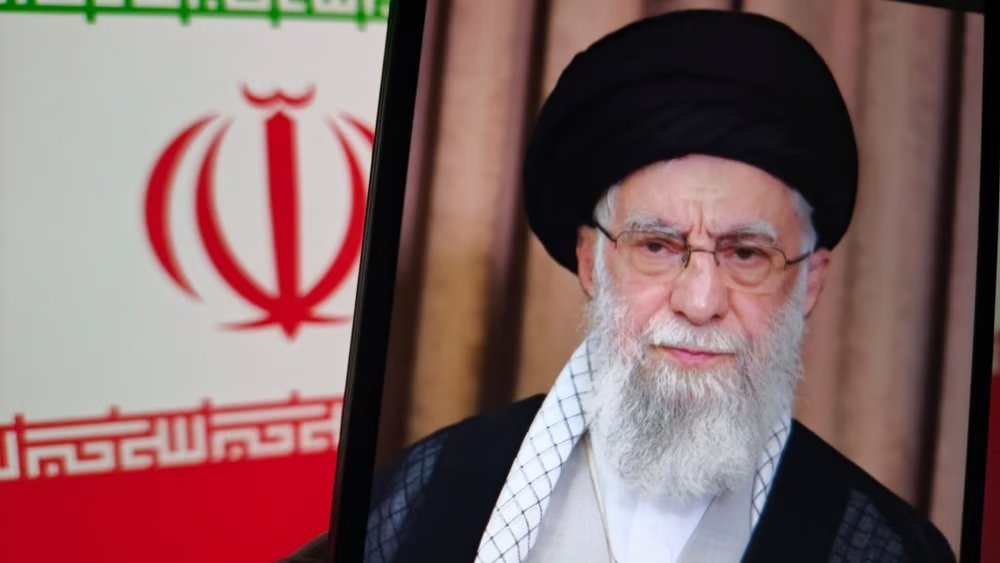
Israeli officials announced that Iranian Supreme Leader Ayatollah Ali Khamenei was killed following an airstrike on his compound in Tehran. This significant event could intensify internal power struggles within Iran and alter the country’s regional influence. The airstrike came amid escalating U.S.-Israeli military actions targeting Iran’s leadership and military assets, aimed at curtailing Tehran’s missile capabilities and its network of allied militant groups across the Middle East. A senior Israeli official indicated that Khamenei’s death leaves his compound in ruins and deepens the complexity of Iran’s political landscape.
Khamenei’s leadership was marked by a strategy of projecting power abroad through financial and military support for allied groups. In anticipation of increased geopolitical tensions, he had positioned Ali Larijani as a crisis manager to oversee nuclear negotiations and maintain stability amidst potential conflicts with the U.S.
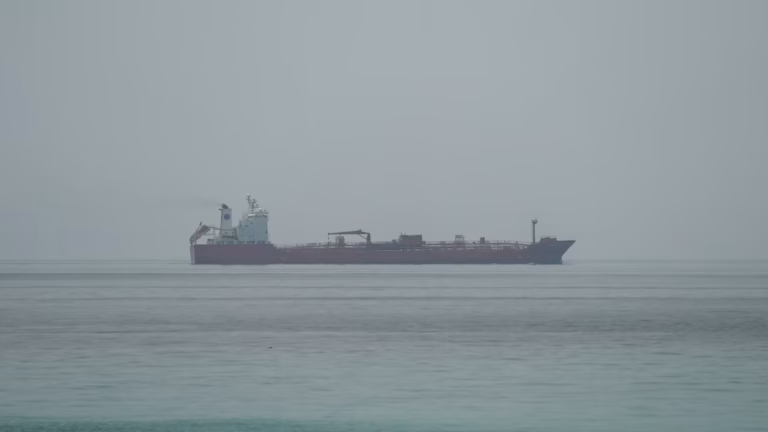
The impact of Khamenei’s death is already being felt in global oil markets, with fears of supply disruptions near the Strait of Hormuz—an essential corridor for oil transport. Following the airstrikes, major oil companies halted movements through this passage, and analysts predicted that oil prices could rise significantly, potentially influencing global inflation rates.
Internationally, reactions include support from Iran’s exiled crown prince, Reza Pahlavi, who viewed the U.S.-Israeli strikes as a pivotal moment, urging Iranians to withdraw support from the current regime in light of these developments. Pahlavi characterized this action as a humanitarian effort to dismantle oppressive institutions rather than targeting the Iranian populace.
Why this story matters:
- The death of Khamenei could disrupt Iran’s power structure and affect regional stability.
Key takeaway:
- Khamenei’s death may lead to increased volatility in oil markets and shift geopolitical dynamics in the Middle East.
Opposing viewpoint:
- Critics argue that military actions against Iran may escalate conflicts and harm the Iranian people rather than dismantling oppressive leadership.