



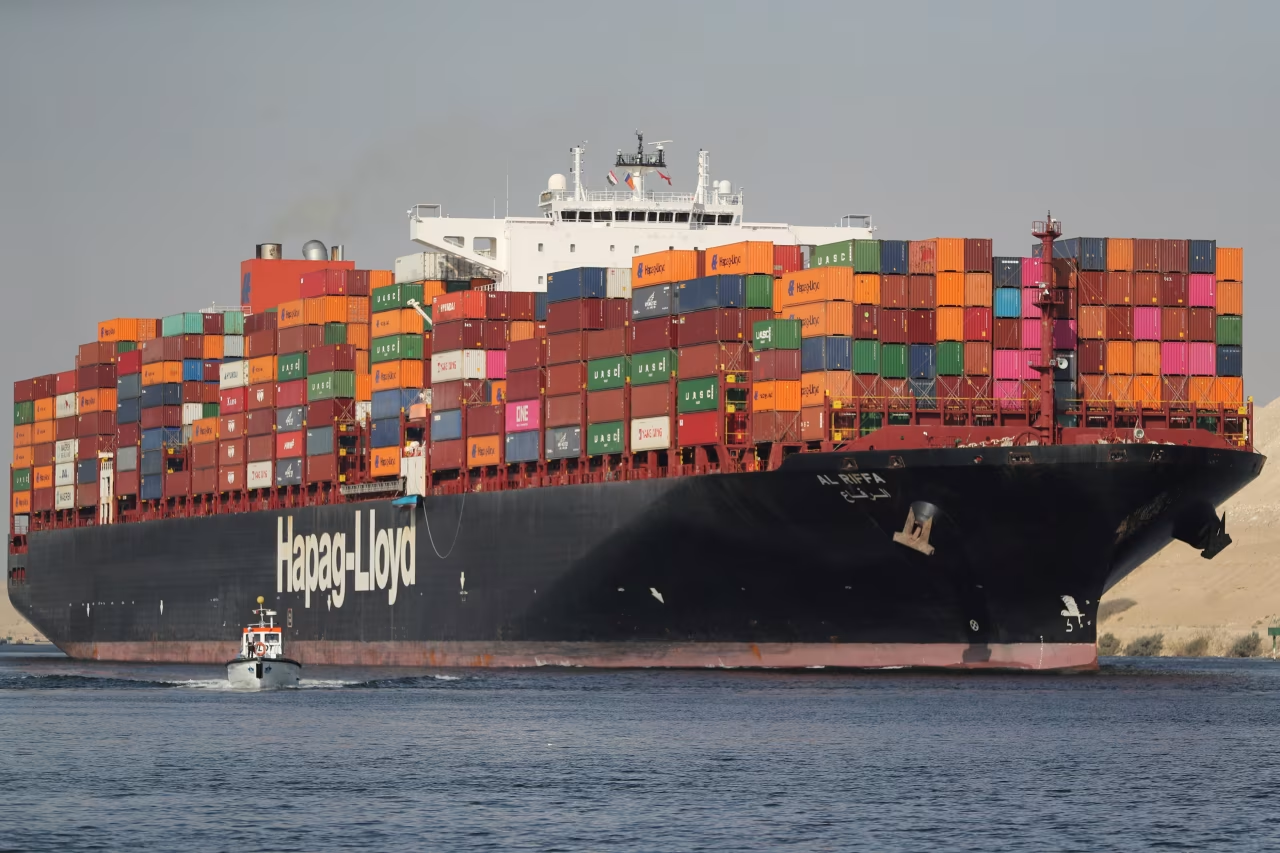
The Chief Executive Officer of a prominent global shipping company has raised alarms over the current situation in the Persian Gulf, where a significant number of vessels and their crews are reportedly stranded. This issue has sparked concerns regarding potential increases in oil prices, which could have widespread economic repercussions.
The CEO emphasized that the ongoing maritime disruptions could lead to delays in shipping schedules and logistics, further complicating global trade. The region’s geopolitical tensions have caused shipping routes to become volatile, prompting many shipping companies to reconsider their operational strategies.
As vessels remain unable to navigate through the Persian Gulf safely, the implications for oil supply and pricing are becoming increasingly dire. The CEO cautioned that if the situation persists, it could exacerbate existing economic challenges, leading to inflationary pressures on energy costs.
The shipping industry’s dependency on stability in maritime routes means that any sustained interruption can significantly impact the broader economy. Industry experts agree that the persisting issues in the Gulf could contribute to a more profound and lasting strain on global supply chains, necessitating urgent attention from policymakers and industry leaders.
This developing story highlights the vulnerabilities in international shipping networks and the interconnectedness of various sectors, indicating that stakeholders must be proactive in addressing emerging challenges.
Why this story matters:
- Current disruptions could significantly impact global oil prices and economy.
Key takeaway:
- The situation in the Persian Gulf poses serious risks for shipping and logistics, potentially worsening economic conditions.
Opposing viewpoint:
- Some analysts argue that current oil supply levels may buffer the impact of rising prices from these disruptions.