



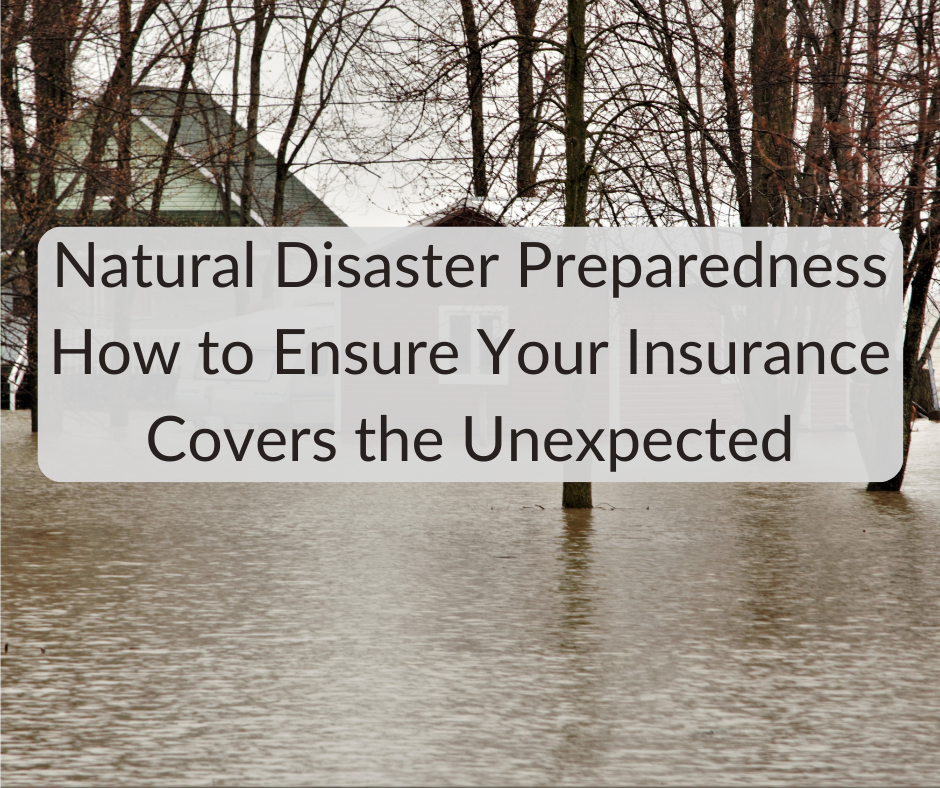
In 2024, the United States faced significant financial repercussions from natural disasters, totaling $182.7 billion in damages, marking the fourth-highest year on record for such losses. The frequency and intensity of floods, wildfires, hurricanes, and severe storms have intensified concerns regarding homeowners’ insurance coverage. A growing number of homeowners are questioning the adequacy of their policies, especially as many standard plans exclude certain risks like flood damage.
The impact of disasters on property and insurance claims is particularly pronounced in high-risk regions. For instance, a severe wildfire event in Southern California in January 2025 resulted in over 6,800 destroyed structures and an estimated economic loss exceeding $50 billion, with insured losses surpassing $20 billion—setting a record for wildfire claims.
Homeowners often discover that standard insurance policies cover certain risks like fire and wind damage; however, gaps exist regarding floods, earthquakes, and specific hurricane-related damages. Homeowners are encouraged to explore supplemental insurance options, such as flood insurance through the National Flood Insurance Program (NFIP) or earthquake protection, which can help ensure adequate coverage.
Proactive measures are necessary for effective disaster preparedness. Homeowners are advised to create comprehensive home inventories, strengthen their properties against potential disasters, and develop emergency plans. Additionally, understanding the claims process can facilitate quicker reimbursements following an incident.
As natural disasters become increasingly prevalent, homeowners must recognize that standard insurance may fall short of protecting their assets effectively. Engaging directly with insurance agents to explore necessary coverage can enhance financial security during emergencies.
Why this story matters: The rising costs of natural disasters highlight the urgent need for comprehensive insurance coverage.
Key takeaway: Standard homeowners insurance may be insufficient for natural disaster protection; supplemental policies are often necessary.
Opposing viewpoint: Some believe the risks are exaggerated and that adequate coverage is available through existing policies without the need for additional expensive riders.