


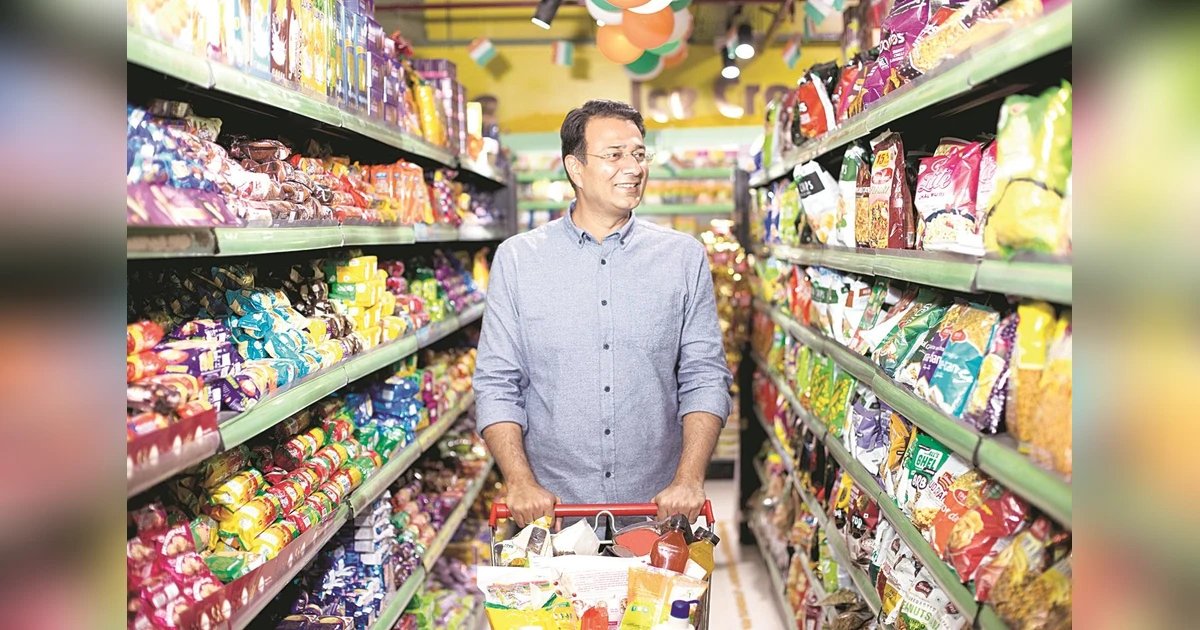
The Indian fast-moving consumer goods (FMCG) market showed signs of change in the October to December quarter, with rural markets continuing to outperform urban markets, according to market researcher NielsenIQ. However, the growth gap between the two segments has narrowed for the eighth consecutive quarter.
During this period, rural markets experienced a 2.9% volume growth, slightly down from previous higher rates, while urban markets reported a 2.3% increase, driven by recovery in metropolitan consumption and the normalization of e-commerce demand. Overall FMCG market growth was recorded at 7.8%, reflecting some moderation due to a high festival season base and adjustments following changes in goods and services tax (GST) rates.
The report indicated that both price and volume growth experienced declines, particularly in traditional trade, which faced temporary disruptions related to the new GST implementation. In contrast, organized sales channels adapted more swiftly to these structural changes.
Food products performed better than home and personal care (HPC) items, with a volume growth of 2.8% compared to HPC’s 1.9%. The report attributed this discrepancy to the effects of GST revisions, which impacted HPC more significantly. Over-the-counter (OTC) categories, however, displayed stronger growth, recording an increase of 3.2%.
The e-commerce sector continued its upward trajectory, constituting 6% of urban FMCG sales. In metropolitan areas, this figure rose to 14%, and in the top eight metros, it reached 18%. Notably, quick commerce has been identified as a major growth driver within e-commerce, representing a significant portion of FMCG online sales.
Why this story matters
Key takeaway
Opposing viewpoint