



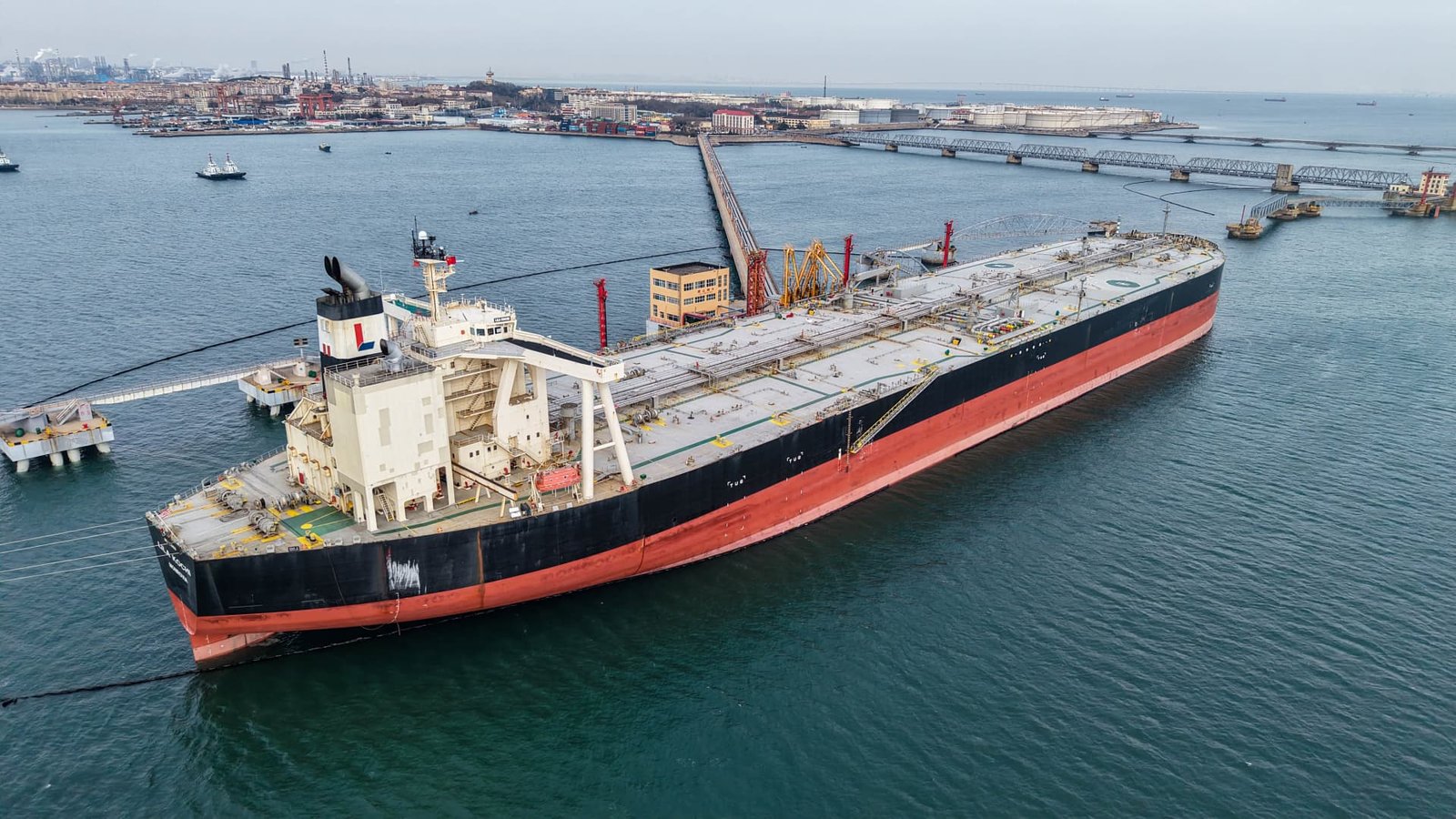
Surging oil prices following the conflict in Iran are expected to have a limited impact on China compared to previous years, thanks to the country’s significant crude reserves and diversification of energy sources. Oil prices have surpassed $100 a barrel for the first time in four years, and analysts from OCBC suggest that China may be less affected by disruptions in the Strait of Hormuz than many neighboring countries.
China has amassed one of the world’s largest strategic and commercial crude reserves, estimated at 1.2 billion barrels. This stockpile, sufficient for about three to four months of supply, will likely buffer the economy from immediate price shocks. Director of the China Strategy Initiative at the Council on Foreign Relations, Rush Doshi, highlighted the shift that has occurred over the past two decades, which has reduced China’s reliance on maritime oil flows to about 40% to 50% of its seaborne oil imports.
By 2030, China aims to increase non-fossil fuels in its energy mix to 25%, from 21.7% in 2025. Notably, oil shipments through the Strait account for only 6.6% of China’s total energy consumption. Meanwhile, the renewables sector is growing, with renewables representing 1.2% of energy consumption in 2023, up from 0.2% two decades ago.
While coal remains a dominant energy source, China is making strides in electric vehicle adoption and renewable energy, which are expected to further insulate the economy from oil price fluctuations. The transition, however, faces challenges due to the dominance of state-owned corporations in the fossil fuel industry.
As the ongoing conflict continues, analysts emphasize the importance of reducing dependence on imported oil and advancing structural changes towards decarbonization.
Why this story matters:
- China is uniquely positioned to face oil price fluctuations due to its strategic reserves and renewable energy investments.
Key takeaway:
- China’s diversification of energy sources and substantial crude stockpiles offer resilience against oil market shocks.
Opposing viewpoint:
- Critics argue that the reliance on state-owned firms may hinder agile responses to energy market dynamics.