



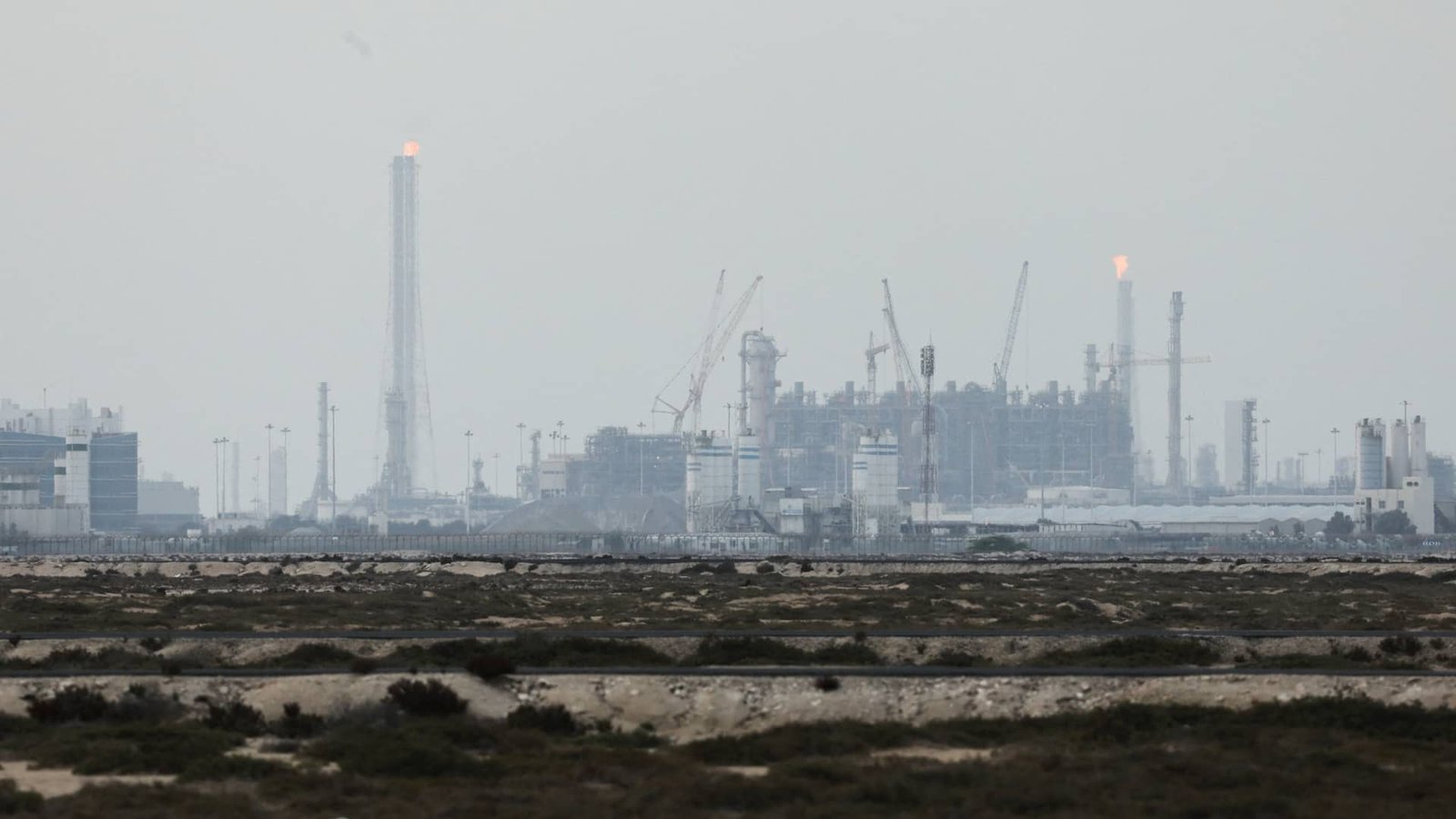
Oil prices saw a significant increase as traffic through the Strait of Hormuz slowed to nearly a standstill. This disruption, primarily affecting liquefied natural gas (LNG) markets, is attributed to the complex logistics involved in transporting LNG compared to crude oil. Approximately 20% of the world’s LNG passes through the Strait, with Qatar being the principal exporter. The situation escalated after Qatar temporarily halted LNG production in response to an Iranian drone attack, leading to a steep rise in global gas prices.
European natural gas prices surged by 63% last week, marking the largest increase since March 2022. Asian markets have been affected even more acutely, with prices reaching $23.40 per million British thermal units on Monday. As Asian nations scramble to secure alternative sources amid these disruptions, some LNG vessels initially destined for Europe have been redirected to Asia.
The reliance on Qatar for LNG poses significant vulnerabilities for the global market, noted Alex Munton, a gas and LNG expert. Restarting operations at Qatar’s Ras Laffan production facility will be complicated and time-consuming once the Strait is secure for maritime traffic again. Unlike oil production, which can be ramped up quickly, LNG production is an intricate industrial process that could take weeks to resume.
While the United States remains the largest LNG exporter, it is currently operating near full capacity, leaving little room for additional output. The potential for further escalations in hostilities could have lasting impacts on LNG supply, as the single facility in Qatar represents a critical point of failure for global production.
Key Points:
- Why this story matters: The disruption in Qatar’s LNG production could have significant implications for global energy prices and supply stability.
- Key takeaway: Restarting LNG production in Qatar will be far more complex and time-consuming than reopening oil facilities following disruptions.
- Opposing viewpoint: Some may argue that the global market could adjust by substituting LNG with other energy sources, such as coal, amidst these supply challenges.