



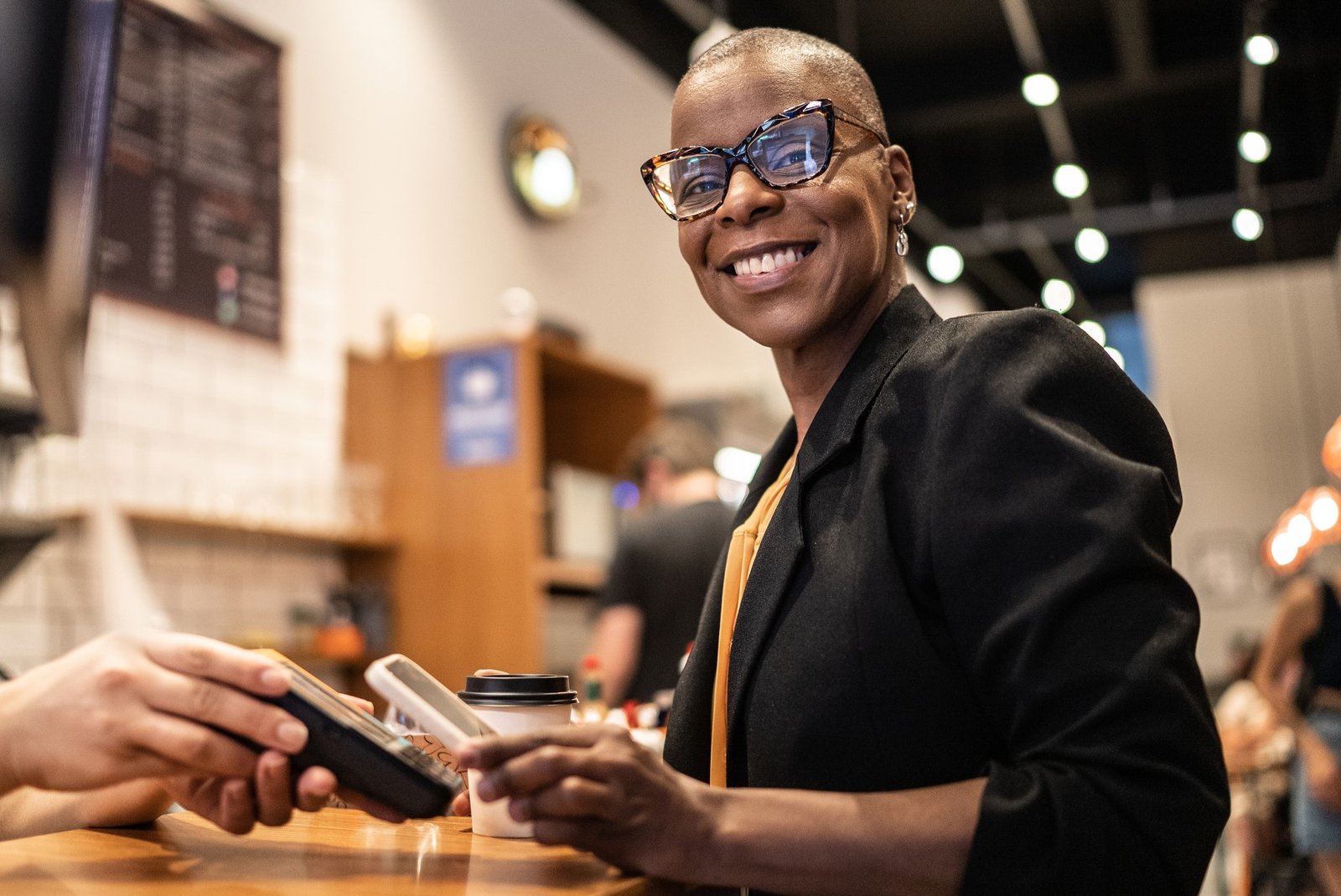
The UK has seen a significant increase in providers offering payment services specifically tailored for small businesses. A range of app-based solutions now allows these enterprises to accept various payment methods, including contactless card payments and bank transfers, in a streamlined and cost-effective manner.
These payment applications are vital for both small businesses and their customers, enabling quick and secure transactions that increasingly align with consumer preferences for contactless payments. As suppliers often invoice online, small businesses must adapt to effectively process incoming transactions.
For businesses with substantial transaction volumes, like those exceeding £10,000 per month, more robust payment solutions such as card readers may be necessary. The market offers various options, including payment gateways and point-of-sale (POS) applications tailored for different needs.
Among the notable payment apps are:
- WorldFirst, which provides a multi-currency account allowing businesses to manage over 20 currencies without monthly fees.
- GoCardless, known for its automated recurring payments and ability to process transactions directly from bank accounts.
- Wallester, which facilitates multi-currency management and quick payouts using employee expenditure cards.
- Worldpay, offering comprehensive payment processing solutions for both online and offline transactions.
- Square, transforming mobile devices into card readers without setup fees, with competitive processing rates.
- Takepayments, which provides customizable checkout solutions and supports multiple transaction channels.
These advancements illustrate how essential payment solutions are evolving to support the growing demands of small businesses in the UK.
Why this story matters: The rise of payment apps is reshaping how small businesses operate, enhancing financial accessibility and customer service.
Key takeaway: Adopting the right payment technology is crucial for small businesses to remain competitive and meet consumer expectations.
Opposing viewpoint: Some argue that reliance on third-party payment apps may lead to hidden fees and a lack of control over financial transactions.