


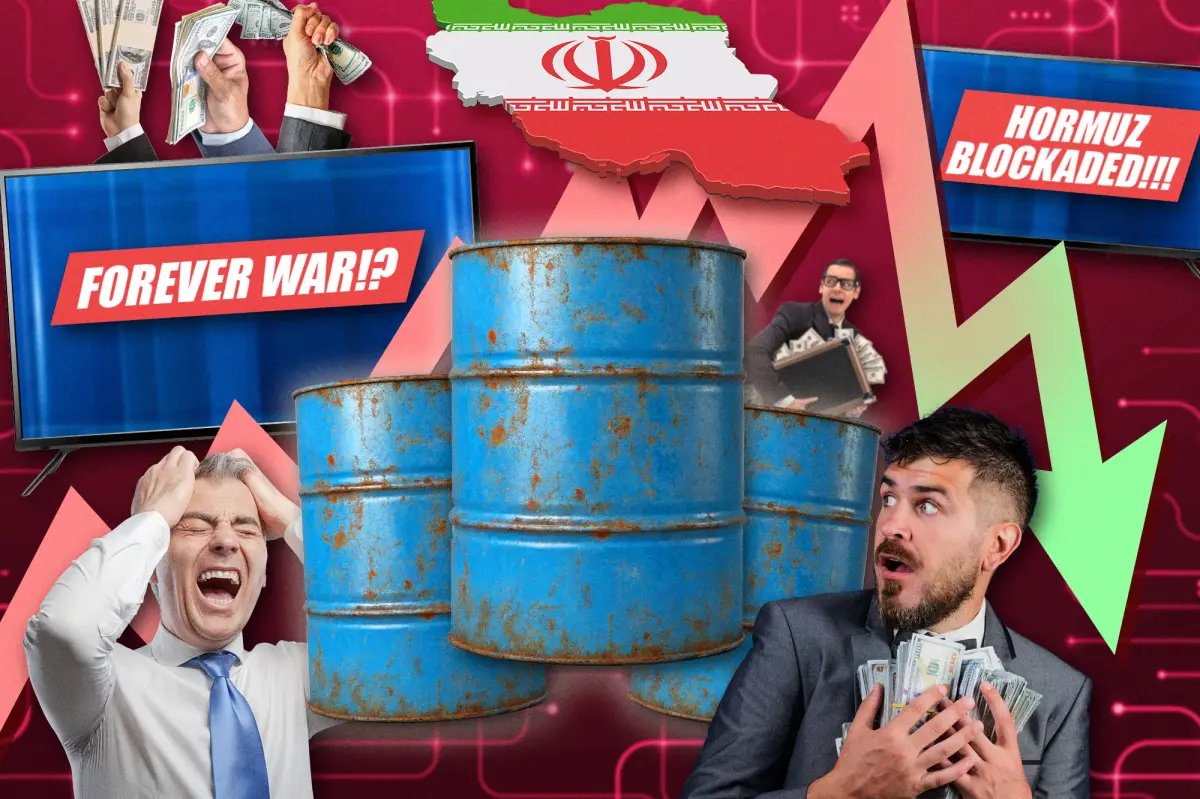
Oil prices experienced significant volatility at the beginning of the week, surging over 30% to nearly $120 a barrel late Sunday before rapidly declining. The spike in prices was largely attributed to escalating tensions in the Middle East; however, trading patterns also played a crucial role.
High-profile hedge funds employing sophisticated AI-driven algorithms triggered buy signals as news of the potential for an extended conflict broke. These hedge funds executed similar trades in the oil futures markets, leading to a synchronized price increase. Notably, several traders reported substantial losses as prices soared, and market behavior appeared largely driven by algorithmic trading rather than fundamental supply and demand factors.
Commentators suggest that the rise in oil prices did not align with the actual situation on the ground. Analysts believe that Iran’s military capabilities are diminishing, potentially easing shipping access through the vital Strait of Hormuz. Moreover, various alternatives for oil supply are available, including increased domestic production and reserves from Venezuela.
As prices declined toward $90 a barrel, hedge funds faced growing losses. The future trajectory of oil prices remains uncertain, hinging on geopolitical developments and the actions of Iran’s military. Additionally, the reliance on headline-driven trading strategies raises questions about the stability of market pricing in the face of evolving geopolitical narratives.
Why this story matters:
- The volatility in oil prices impacts global markets and fuel costs.
Key takeaway:
- Hedge fund trading strategies significantly influence oil price movements, often detached from actual market realities.
Opposing viewpoint:
- Some analysts argue that algorithmic trading provides liquidity and efficiency, which can stabilize markets in the long run.