



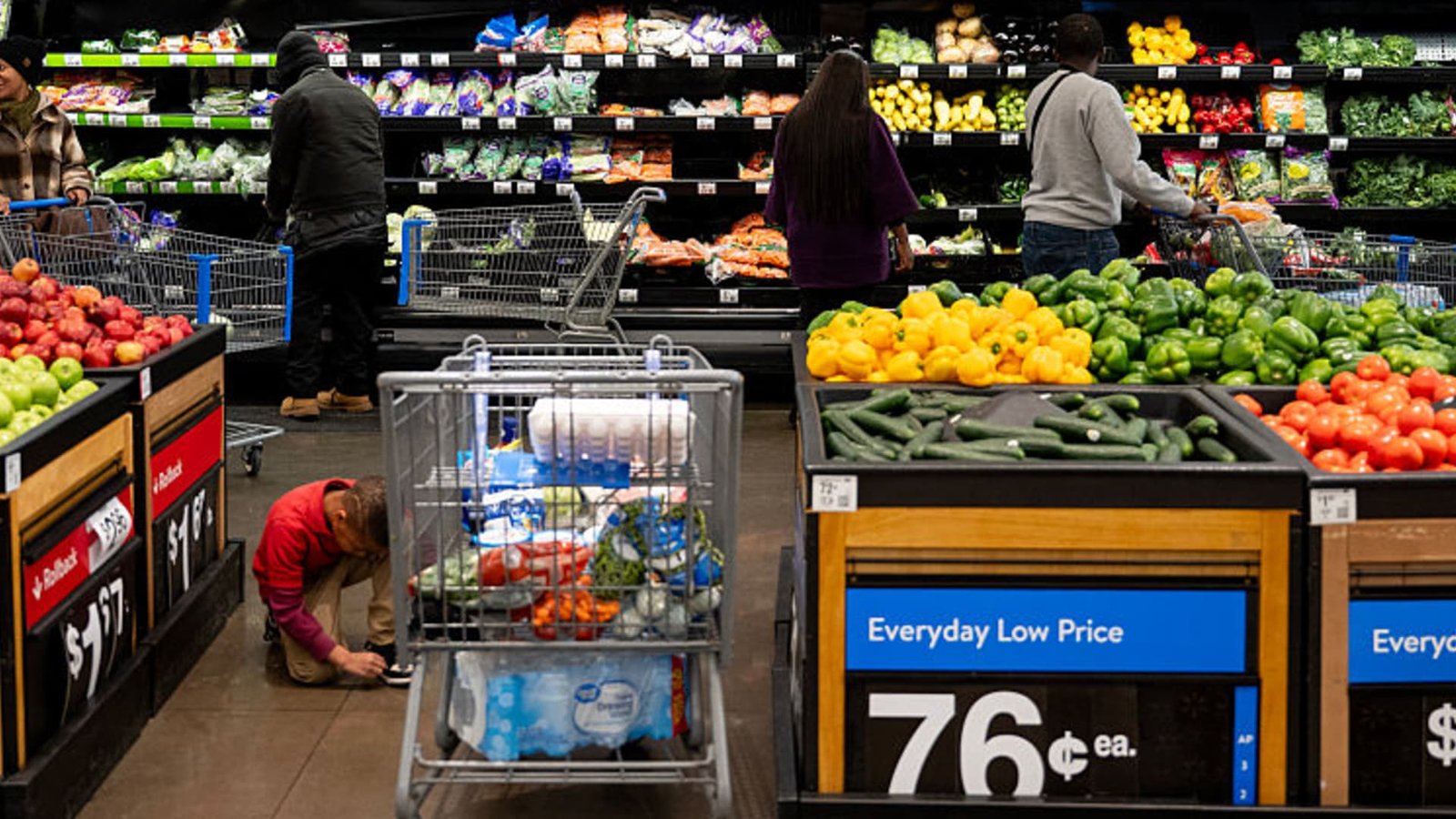
Global food prices may face upward pressure due to ongoing conflict in Iran, which is disrupting fertilizer shipments through the vital Strait of Hormuz. While energy markets primarily concentrate on oil supply concerns, analysts emphasize that interruptions in fertilizer supply chains could lead to significant long-term economic challenges, particularly in terms of food inflation.
Stephanie Roth, chief economist at Wolfe Research, highlighted that the disruption could increase “food-at-home” inflation by approximately 2 percentage points, contributing an additional 0.15 percentage points to the overall inflation rate in the U.S., on top of a prior 0.40 point increase related to energy. This situation arises as U.S. consumers are already grappling with persistent price increases in food, housing, and energy, with food prices rising 2.4% year-over-year as of February, according to the Bureau of Labor Statistics.
Over one-third of the world’s traded fertilizer passes through the Strait of Hormuz, a route that has seen significant commercial disruptions since the onset of the conflict. This is particularly concerning as farmers in the Northern Hemisphere prepare for spring planting, a period critical for fertilizer application, which influences future crop yields. Roth noted that tight fertilizer supplies might compel farmers to reduce application rates, potentially diminishing yields of essential crops such as corn, soybeans, wheat, and rice.
Fertilizer industry economists also express concern, citing a 30% surge in urea fertilizer prices in the U.S. following the start of the conflict. Veronica Nigh, chief economist at The Fertilizer Institute, pointed out that if these disruptions persist, higher fertilizer costs may be passed on to consumers, marking a substantial change from previous market behavior.
While farmers and consumers may face increased costs due to these disruptions, fertilizer producers could experience a boost in profitability.
Why this story matters
Key takeaway
Opposing viewpoint