



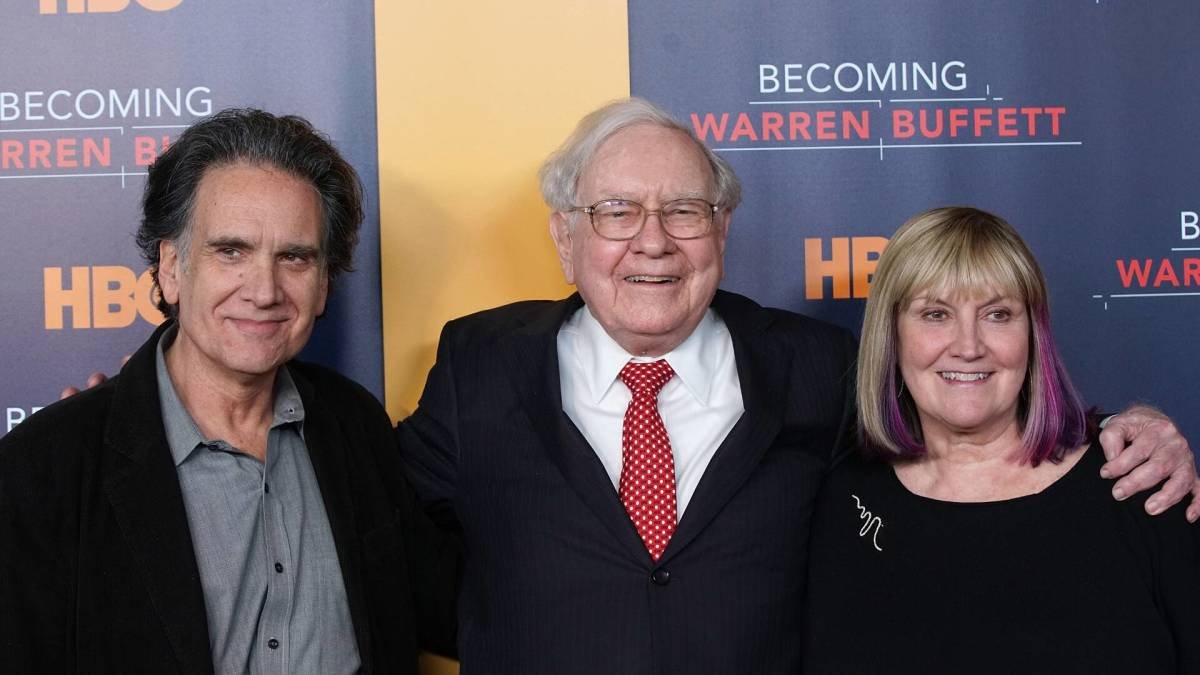
Warren Buffett, the renowned investor and philanthropist, plans to direct his approximately $150 billion estate to the charitable foundations of his three children—Susie, Howard, and Peter Buffett. A distinctive aspect of this plan is the requirement that all major spending decisions receive a unanimous vote from the siblings, ensuring collaboration and alignment on philanthropic goals. Buffett, now 95, has set a stipulation that all funds must be spent within ten years of his passing, emphasizing a focus on immediate impact rather than establishing a long-lasting dynasty or bureaucratic legacy.
While the Buffett children have significant autonomy in decision-making, Buffett has advised that the funds should specifically aid the less fortunate. Throughout their lives, they have gained practical experience in philanthropy, having received over $60 billion in Berkshire Hathaway shares since 2006. Each sibling’s foundation has distinct focuses: Howard addresses food security and conflict mitigation globally, Susie emphasizes early education and justice reform in Nebraska, and Peter champions marginalized communities.
The planned annual charitable giving of $15 billion would notably enhance U.S. philanthropy, nearly doubling the Gates Foundation’s recent disbursements. While there are logistical challenges—such as liquidating Berkshire shares without market disruption—the Buffett heirs express a unified commitment to addressing poverty and other societal issues.
Ultimately, Buffett’s estate plan reflects his belief in the familial values instilled during their upbringing, designed to ensure that his children manage this responsibility effectively and with a clear purpose.
Bullet Points:
- Why this story matters: The Buffett family’s approach to philanthropy could reshape U.S. charitable giving and inspire other wealthy individuals.
- Key takeaway: Warren Buffett’s estate plan includes a strict ten-year spend-down requirement aimed at maximizing immediate charitable impact.
- Opposing viewpoint: Some critics may argue that requiring a unanimous vote for decisions could hinder timely responses to urgent social issues.