


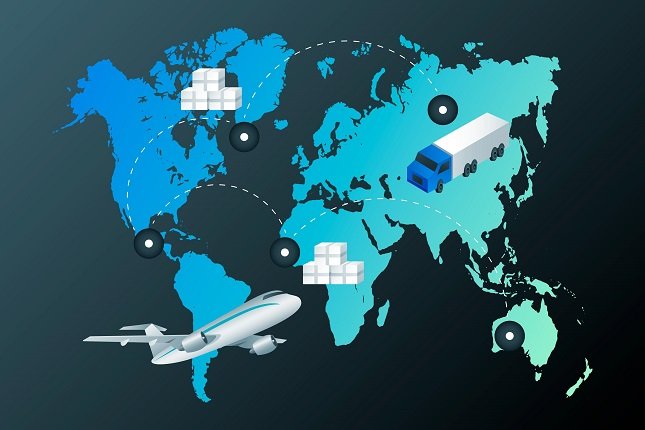
The landscape of international shipping has evolved, allowing small and medium-sized businesses greater access to logistics services once dominated by larger companies. Previously, international shipping required established carrier relationships and an extensive in-house logistics team to negotiate favorable rates. However, advancements have made logistics infrastructure more accessible, leveling the playing field for smaller entities.
According to the U.S. Census Bureau, small and medium-sized businesses now constitute a majority of U.S. importers. These businesses, including manufacturers, e-commerce brands, and distributors, often grapple with the complexities of customs and shipping compliance. Global logistics providers can offer solutions by allowing businesses to leverage existing infrastructure and expertise without the long-term investment that developing these capabilities independently would entail.
Integrated logistics providers facilitate multiple supply chain functions such as international freight, customs brokerage, domestic transportation, and warehousing under one umbrella. Some even offer specialized services like Foreign Trade Zone support, which can help businesses recover significant amounts in import duties. Improved freight visibility has also been a major development, with modern platforms providing detailed tracking of shipments without the need for constant communication with various parties.
Selecting the right logistics partner is critical. Unlike simply booking freight, a partnership allows for flexibility and adaptability in the face of disruptions, such as port congestion or equipment failures. Furthermore, large logistics providers often possess the volume needed to negotiate better rates with carriers, providing smaller businesses with quality service at reduced costs.
Before committing to a logistics provider, businesses should assess their potential partner’s track record, customs brokerage capabilities, visibility tools, and communication approach. The right logistics partner can be a significant competitive advantage in the international trade landscape.
Why this story matters: The accessibility of logistics services has democratized international shipping for small businesses.
Key takeaway: Partnering with the right logistics provider enhances efficiency and cost-effectiveness in global trade.
Opposing viewpoint: Some smaller businesses may still prefer to handle logistics independently to maintain control over processes.