



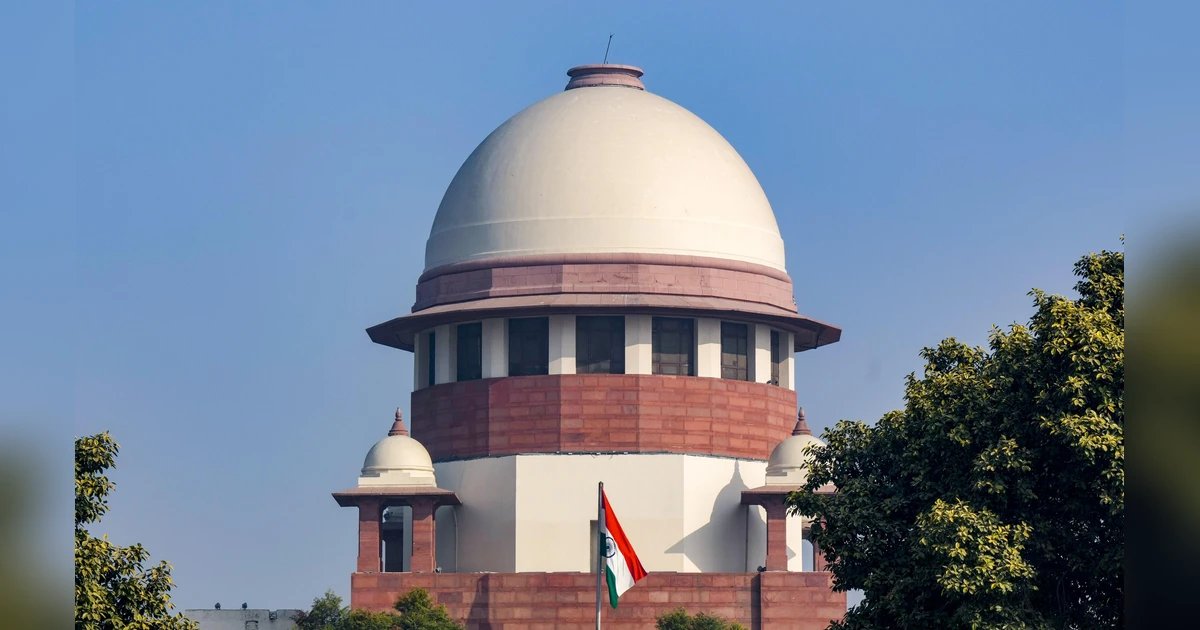
The Supreme Court has ruled that it cannot enforce policy changes related to legal education while considering a public interest petition aimed at reducing the duration of the five-year integrated LL.B. program to four years. This decision was made by a bench led by Chief Justice Surya Kant and Justice Joymalya Bagchi, responding to a plea from advocate Ashwini Upadhyay. Upadhyay proposed the establishment of a Legal Education Commission to evaluate potential reforms in legal education, emphasizing the need to attract more talented students.
During the proceedings, Upadhyay argued that the extended duration of the law degree dissuades high-performing candidates from pursuing a career in law. He pointed out that most other professional courses in India are typically completed in four years and asserted that the current legal education structure fails to draw top-tier talent.
In response, the Chief Justice acknowledged that legal education policy involves broad discussions and should not be determined solely by the judiciary. He noted that the five-year integrated program originated in the early 1980s and indicated that various stakeholders, such as academia, legal practitioners, and policy researchers, should be consulted for a comprehensive evaluation.
The court raised questions about why judicial intervention might be necessary if university chancellors themselves oppose the five-year model. Upadhyay countered that any reforms would also require input from the Bar Council of India. The bench decided to revisit the matter in April 2026.
The petition argues that the current five-year program places an undue financial and time burden on students and calls for governmental action to create an expert committee for reviewing the legal education framework. Additionally, it highlights that the National Education Policy, 2020 advocates for four-year undergraduate programs, yet the Bar Council has not made any adjustments to legal education to align with that policy.
Why this story matters:
- The case highlights the ongoing debate about the structure of legal education in India and its impact on student engagement.
Key takeaway:
- The Supreme Court emphasizes the need for broader consultations among stakeholders in evaluating legal education policies.
Opposing viewpoint:
- Some believe that the five-year law program is beneficial for developing a comprehensive understanding of the legal field, despite criticisms of its length.