



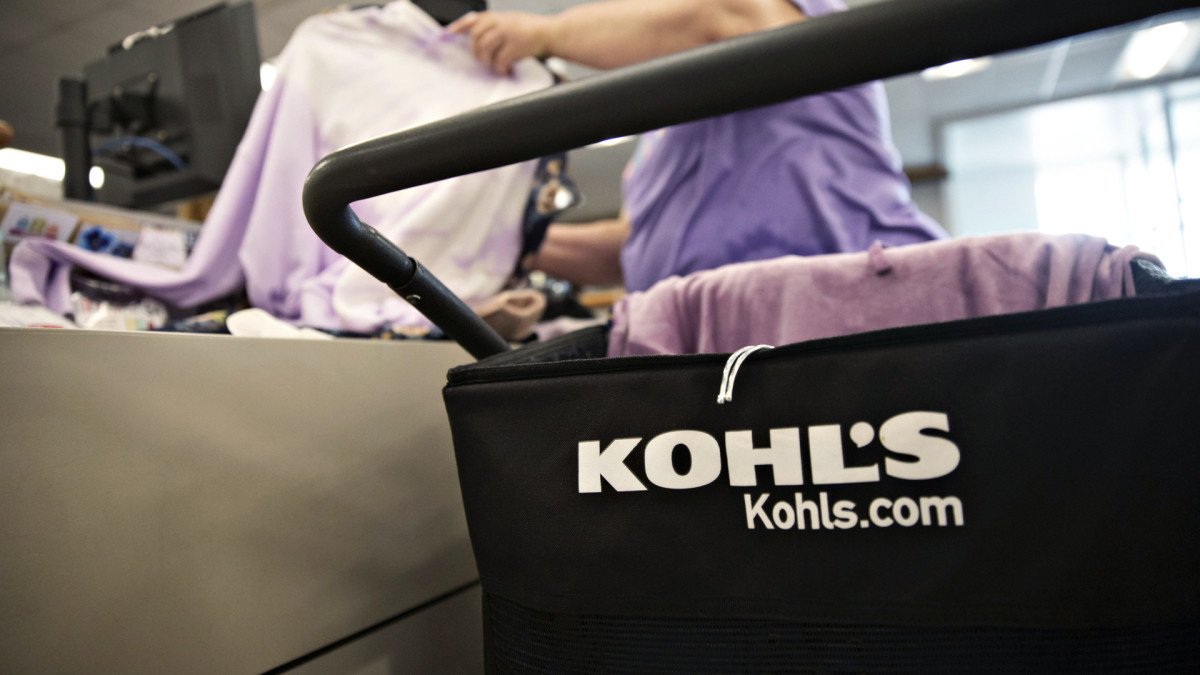
Kohl’s is poised to navigate a critical juncture in 2026, having stabilized its store operations after a challenging year marked by closures and shifting consumer habits. With around 1,150 locations remaining, CEO Michael Bender confirmed in a recent earnings call that there are no plans for further store closures. This decision follows a restructuring that left more than 90% of its stores operating profitably, signaling a shift from downsizing to enhancing operational efficiency.
Despite the halt on closures, Kohl’s will not be opening new stores, opting instead to focus on optimizing its existing locations. This strategy aims to enhance store productivity and streamline operations. Bender emphasized that the company will continue to evaluate its store footprint annually, allowing for selective relocations if necessary.
The backdrop for Kohl’s strategy involves fierce competition from e-commerce platforms and discount retailers, alongside changing consumer behaviors that favor value-oriented options. The retailer’s financial performance in its fourth-quarter report showed a 3.9% year-over-year decline in net sales, raising concerns about the company’s immediate recovery prospects.
Kohl’s has recognized inventory management as a critical area for improvement, as misalignments in product availability have hindered sales. The company reported growth in some proprietary categories but a decline overall due to weaknesses in its home segment.
As retail dynamics continue to evolve, analysts remain divided on Kohl’s outlook. While some highlight the potential difficulties due to macroeconomic factors, others point to initiatives that could foster sales recovery if properly implemented. The broader retail landscape is also witnessing significant store closures, indicating a trend among major retailers to reassess physical store strategies.
Why this story matters:
- Kohl’s approach reflects broader trends in retail as companies adapt to shifting consumer preferences and online competition.
Key takeaway:
- Kohl’s aims to strengthen its operational performance without further downsizing, focusing on efficiency and inventory management.
Opposing viewpoint:
- Analysts express skepticism about Kohl’s ability to recover, citing external pressures and inconsistent execution as ongoing challenges.