



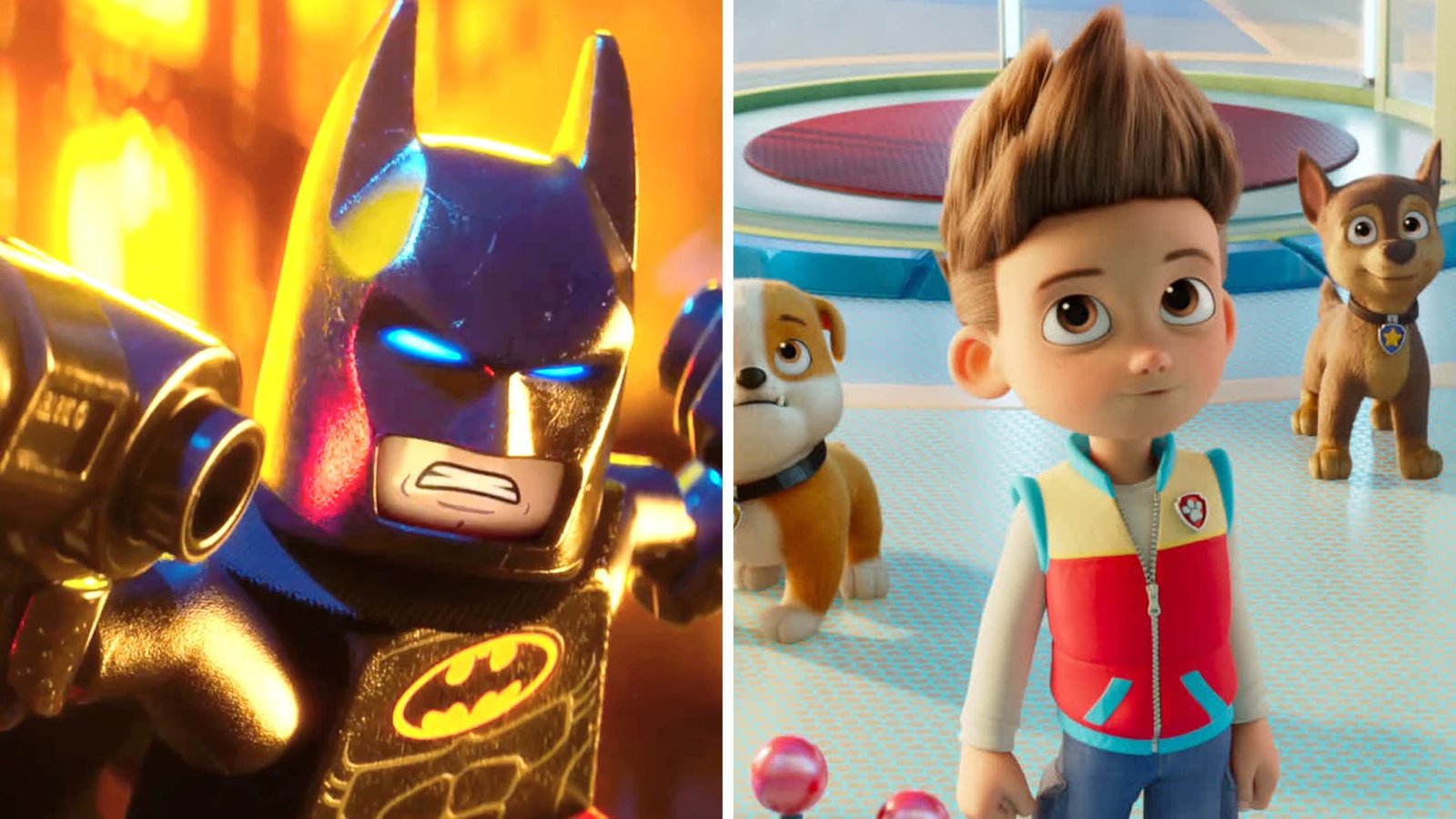
Paramount and Warner Bros. are set to merge, creating a powerhouse in the entertainment industry boasting a strong lineup of franchise films, including titles from the DC universe and adaptations from popular franchises like “Minecraft” and “The Lord of the Rings.” However, this merger highlights a significant gap in the companies’ portfolios: a lack of animated films capable of competing with market leaders like Disney and Universal.
Since 2016, Paramount and Warner Bros. have each released eight animated features, yielding $1.1 billion and $1.3 billion in global box office sales, respectively. In contrast, Disney released 21 animated films during the same period, generating $14.1 billion, while Universal’s 23 films brought in $10.7 billion. Notably, Paramount’s “Paw Patrol: The Mighty Movie” is its only animated release to exceed $200 million, while Warner Bros.’ “Lego Batman” is its sole film that surpassed $300 million.
Industry experts emphasize that animated films are crucial for drawing family audiences, which have remained resilient throughout challenges in the cinematic landscape. The merger presents an opportunity for Paramount and Warner Bros. to leverage their combined resources to expand their animated offerings. The studios already own significant intellectual property, including franchises like “SpongeBob SquarePants” and “Teenage Mutant Ninja Turtles.”
Strategists argue that developing a robust animated film slate could not only enhance the new entity’s market share—currently at 27% of the domestic box office—but also ensure long-term revenues through merchandise and potential sequels. Given the current trends in film ratings, family-friendly content continues to dominate, underscoring the need for an evolved approach to animation.
Why this story matters
- The merger positions the companies to better compete with dominant players in the animation sector.
Key takeaway
- A strong animated film portfolio is critical for long-term success in the film industry, especially post-merger.
Opposing viewpoint
- Some may argue that the emphasis on animation could divert resources from developing original live-action films, which have historically garnered acclaim and awards.