


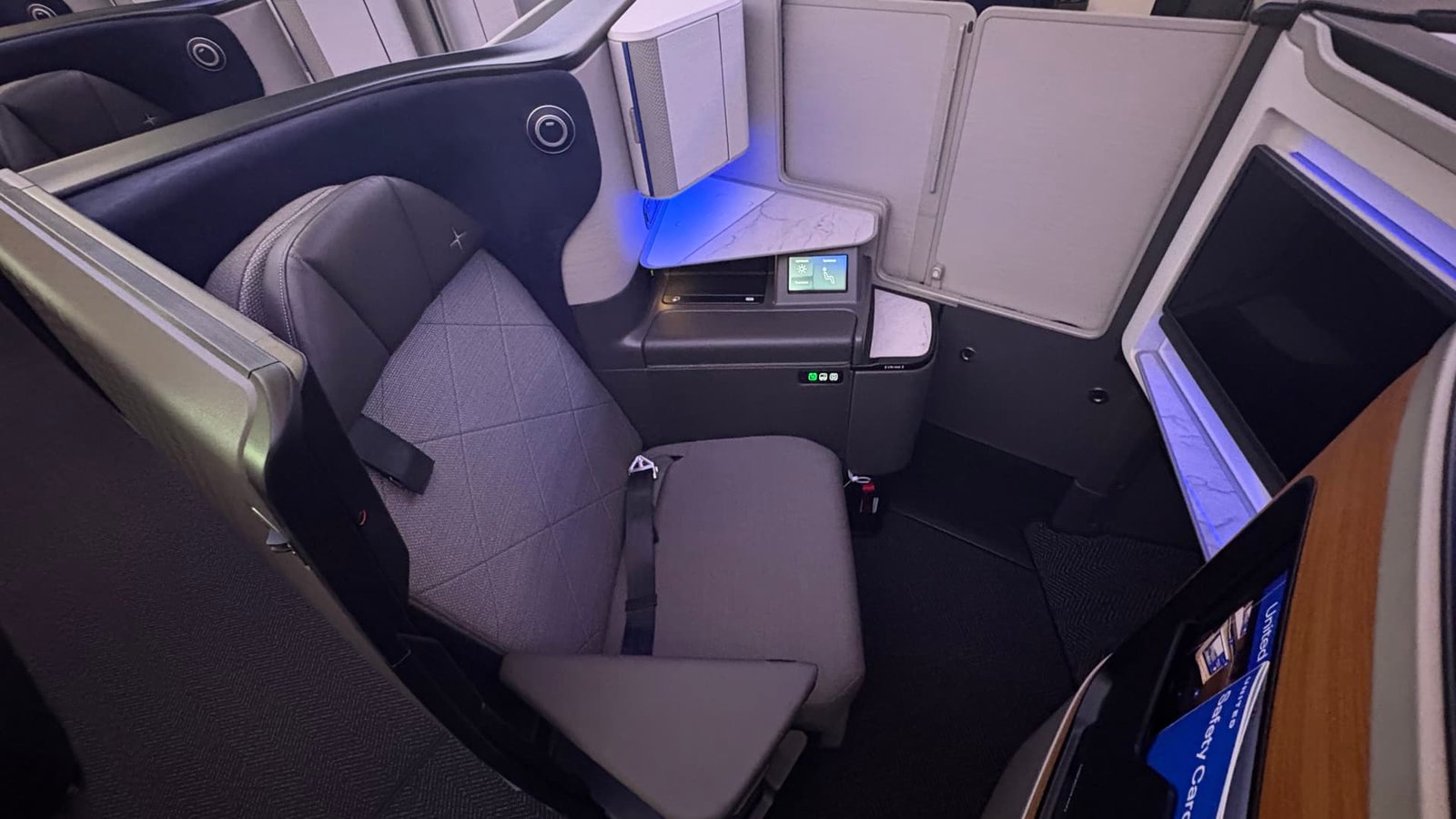
United Airlines is introducing new fare classes for its Polaris and Premium Plus cabins aboard Boeing 787 Dreamliners, aiming to cater to travelers seeking luxury at a more affordable price point. Beginning this spring, the airline will offer “Base” Polaris fares, which provide access to lie-flat seats in its long-haul business class. However, this fare level will come with several restrictions, including an extra charge for advanced seat selection, a limit of one checked bag, and access only to the United Club airport lounge, excluding the more upscale Polaris lounge.
In addition to the Base Polaris fare, United will maintain “Standard” and “Flexible” options. The Flexible fare allows customers to choose the new, spacious Polaris Studio suites. This move reflects a growing trend within the airline industry to further segment premium seating, akin to past developments in the economy class, which have seen the introduction of various tiers from basic to extra legroom.
The introduction of these fare classes coincides with a broader overhaul of United’s Polaris service, which features enhanced amenities such as sliding doors and larger screens. Despite the fare changes, a representative confirmed that meals, including desserts, will remain consistent across the different fare categories. Specific pricing details for the new fares are yet to be disclosed, but the Base Polaris fare is promoted as an entry-point for premium travel.
United is also extending this segmentation strategy to its Premium Plus offering, with availability starting in select markets this month and planned expansion to additional long-haul domestic and international routes soon. Notably, rival Delta Air Lines is also exploring similar segmentation of their premium cabin offerings.
Why this story matters:
- United Airlines is responding to market demands for affordable luxury travel options.
Key takeaway:
- New fare categories reflect a shift towards greater segmentation in premium air travel.
Opposing viewpoint:
- Critics may argue that increased restrictions could undermine the perceived value of premium travel experiences.