



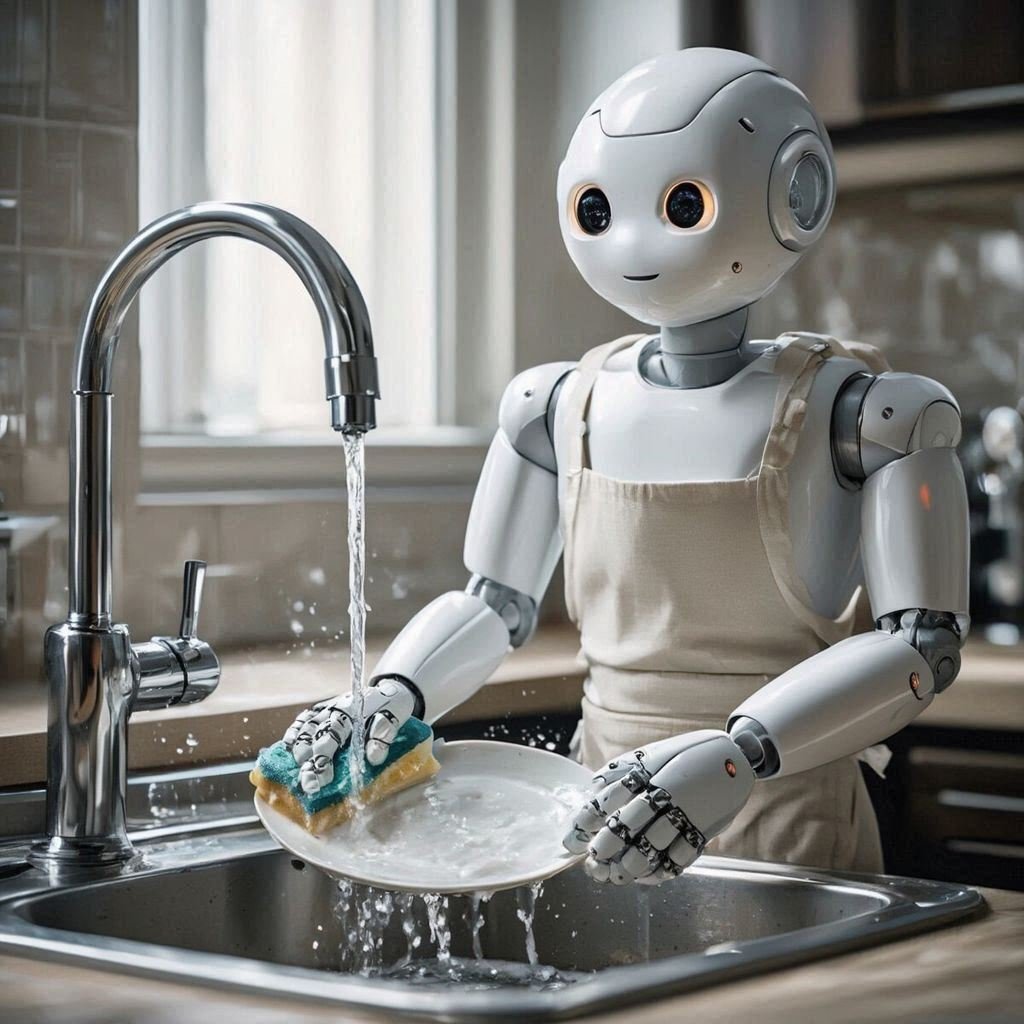
The ongoing development of artificial intelligence (AI) is transitioning from model and data center advancements to real-world applications, particularly in robotics. As highlighted by recent trends observed at major events like CES and notable broadcasts in China, there is increasing confidence in deploying humanoid robots in public settings.
The future of AI lies in the integration of various technologies designed to create a cohesive environment for robotic systems. Leading tech companies such as Microsoft, Google, and Meta are playing a crucial role in enhancing the intelligence of these robots. Complementing these advancements are simulation platforms that train robots to perform complex tasks, ensuring that they can operate effectively before real-world deployment.
Critical to this evolution is the hardware that allows robots to respond instantly to their surroundings, including sensors and software that collectively enable smooth interactions. Historically, these elements operated in isolation, but advancements have resulted in systems capable of real-time sensing, processing, and action.
Currently, robots are being trialed in dynamic settings such as factories and warehouses where conditions vary and tasks differ significantly. As AI technologies continue to overcome these challenges, the adoption of robots for physical, repetitive work is anticipated to expand rapidly across various industries. It is estimated that one-third of all jobs involve such tasks, with this figure potentially reaching 50% in many industrial and developing economies.
The coming phase of AI integration promises substantial economic impacts as robots begin to fulfill roles traditionally held by humans, suggesting a significant shift in the labor market landscape.
Why this story matters
Key takeaway
Opposing viewpoint