


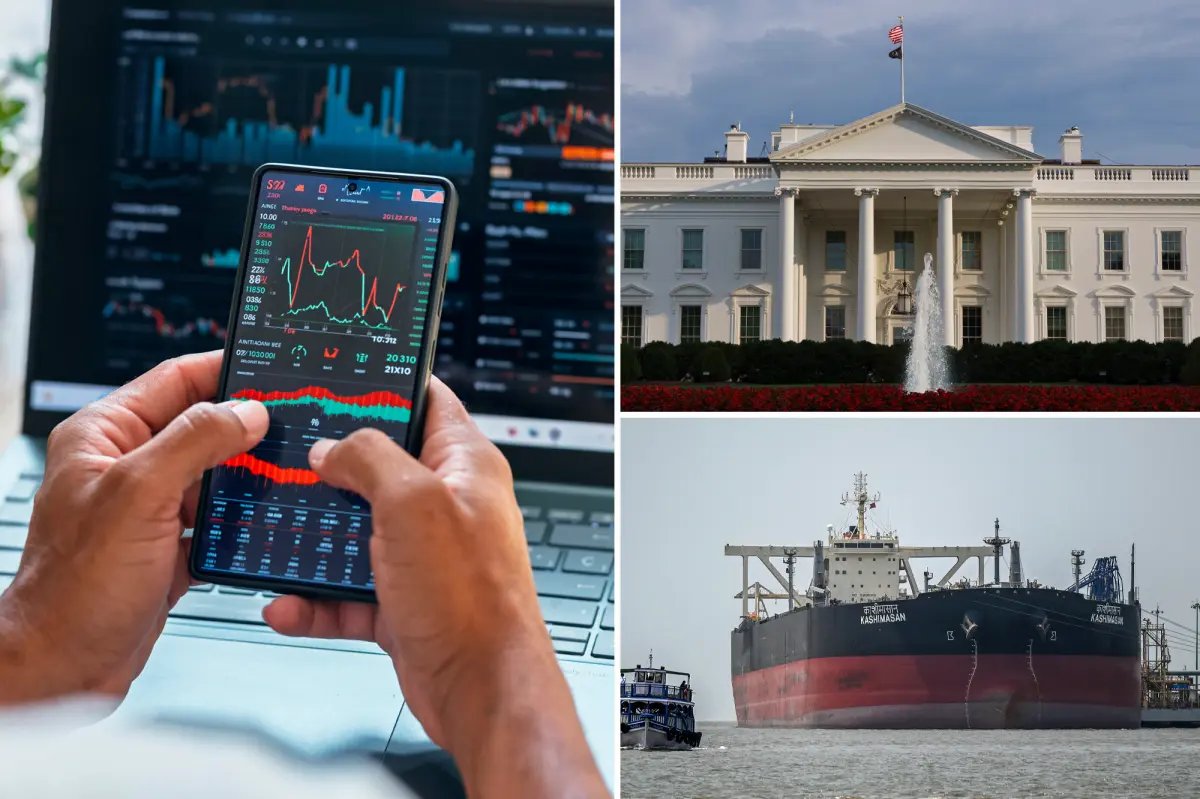
The White House has issued a cautionary notice to its staff against using insider information for betting on prediction markets, amidst growing scrutiny over potentially lucrative trading linked to geopolitical events, particularly the situation in Iran.
On March 24, an email from the White House Management Office highlighted concerns after a series of trades occurred just minutes before President Trump announced a temporary halt to military strikes on Iran. Within a brief span, over $760 million in oil futures were traded. Following the announcement, anonymous traders on the prediction market Polymarket reportedly profited by over $600,000 by anticipating the timing of the ceasefire.
The rising popularity of prediction markets such as Polymarket and Kalshi allows participants to place bets on a variety of subjects, including political events. Critics have quickened calls for legislative action, alleging that the recent trades represent insider trading, prompting some legislators to propose restrictions on public officials’ involvement in these markets. Although existing ethics rules prohibit federal employees from exploiting nonpublic information, critics argue that these safeguards are insufficient.
White House spokesman Davis Ingle defended the administration, asserting that accusations of insider trading among officials are unfounded. Recent controversial betting instances, such as wagers tied to political turmoil in Venezuela and Iran, have intensified debate surrounding regulation of prediction markets.
As states like Arizona and Illinois consider regulating these platforms, challenges persist, especially after a federal court confirmed that Kalshi falls under the authority of the U.S. Commodity Futures Trading Commission.
Key Points:
- Why this story matters: The intersection of insider information, prediction markets, and governmental ethics raises significant questions about transparency and potential misuse of power.
- Key takeaway: Legislative efforts are underway to regulate prediction markets, especially in light of questionable trading activities connected to political events and government officials.
- Opposing viewpoint: Critics assert that current regulations are inadequate to prevent conflicts of interest and seek stricter controls on insider trading in prediction markets.