


Oil traders reacted swiftly to a ceasefire declaration between the U.S. and Iran on April 8, which initially prompted a relief rally in the market. The optimism was short-lived, as concerns emerged regarding the real efficacy of the truce, particularly concerning the safe passage of vessels through the crucial Strait of Hormuz. This strategic waterway significantly impacts global energy supplies, and any delays in normal shipping operations could heighten supply risk.
By April 9, crude oil prices surged back toward $99 a barrel as geopolitical tensions escalated, with U.S. military engagements nearby also influencing market sentiment. This led to heightened caution among traders, who began to consider the actual trading conditions over mere headlines of peace agreements. Reports indicated a notable drop in ship traffic through the Strait, as numerous vessels faced military warnings and other operational challenges posed by the ongoing tensions.
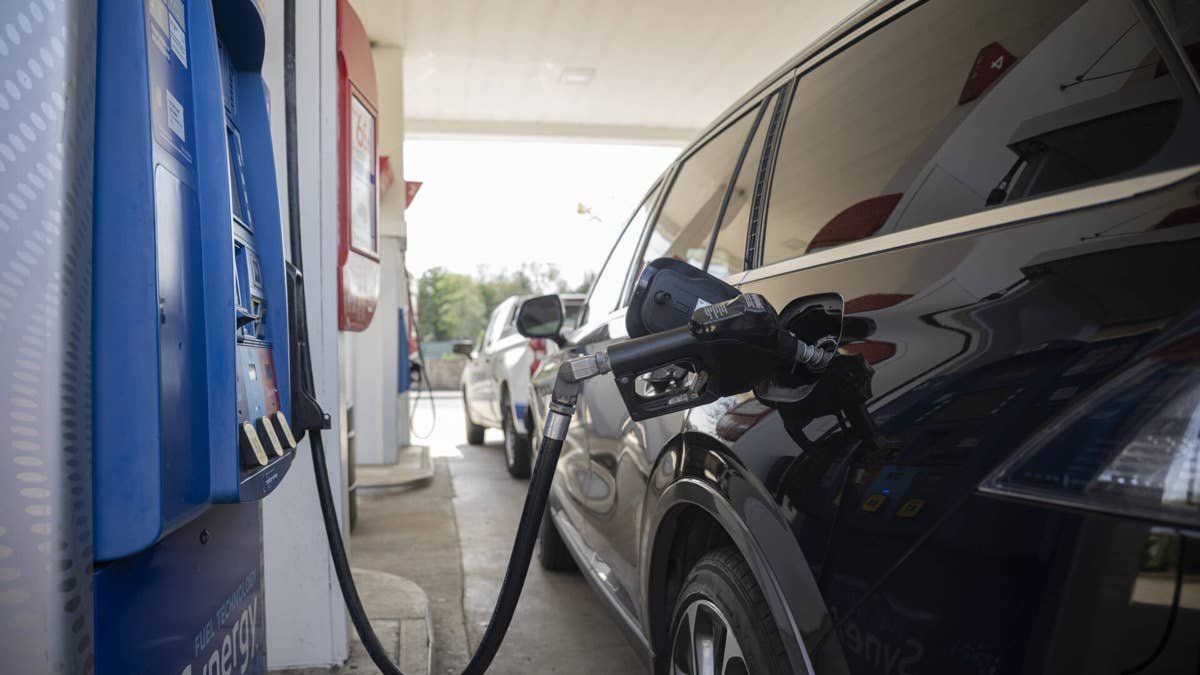
The ripple effects of these developments are already manifesting at the consumer level. The American Automobile Association (AAA) reported that the average gasoline price climbed to $4.16 per gallon, marking the highest level since August 2022. As prices remain elevated, consumers are likely to feel sustained pressure, complicating inflation forecasts. Gas stations are still managing higher-cost inventory, making immediate price reductions unlikely.
Looking ahead, U.S. officials are actively engaging in talks with Iranian representatives in Pakistan, aiming to stabilize the situation and restore normal trading conditions through the Strait of Hormuz. Market analysts warn that without a significant shift, current oil price levels may persist due to ongoing supply uncertainties.
Why this story matters:
- Geopolitical tensions directly impact global energy prices and supply stability.
Key takeaway:
- The initial optimism following the U.S.-Iran ceasefire has diminished, with traders focusing on real supply issues rather than diplomatic rhetoric.
Opposing viewpoint:
- Some may argue that diplomatic negotiations could still yield a more stable situation in the region, providing hope for eventual market normalization.