


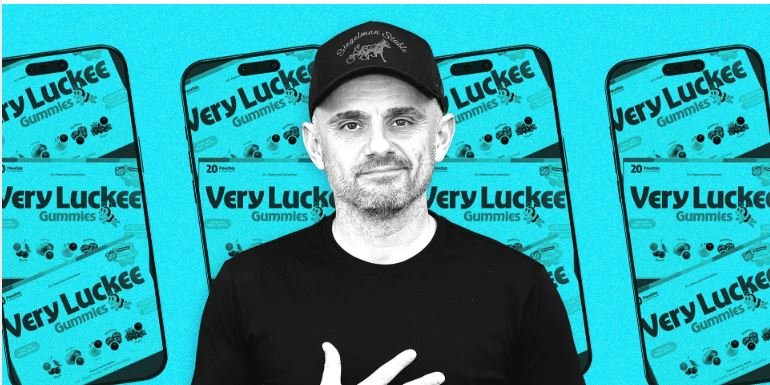
Entrepreneur Gary Vaynerchuk, widely known as Gary Vee, recently expressed his strategic approach to marketing his new gummy brand, stating that he has no intentions of placing his products in traditional retail stores. Vaynerchuk emphasized his preference for direct-to-consumer sales, leveraging digital platforms to reach customers effectively. This approach allows for greater control over branding and customer relationships, aligning with his broader vision of adapting to changing consumer habits.
Vaynerchuk’s strategy is rooted in insights about the evolving marketplace, particularly the shift towards online shopping. He believes that offering a personalized shopping experience directly to consumers not only fosters loyalty but also enhances brand engagement. By avoiding retail distribution, he aims to minimize overhead costs and maximize profits, reflecting a growing trend among many brands that choose to focus on e-commerce.
Despite the conventional wisdom that placing products in stores can boost visibility and sales, Vaynerchuk’s decision highlights a paradigm shift in how products are marketed and sold. His approach may serve as a blueprint for emerging entrepreneurs looking to capitalize on the digital economy.
In essence, Vaynerchuk’s vision challenges traditional retail norms, presenting a case for businesses to explore innovative avenues for consumer engagement and sales generation.
Why this story matters
- Highlights the shift towards direct-to-consumer sales in modern retail.
Key takeaway
- Gary Vaynerchuk advocates for an e-commerce model to enhance brand control and customer relationships.
Opposing viewpoint
- Critics may argue that retail presence can still be crucial for brand visibility and credibility.