


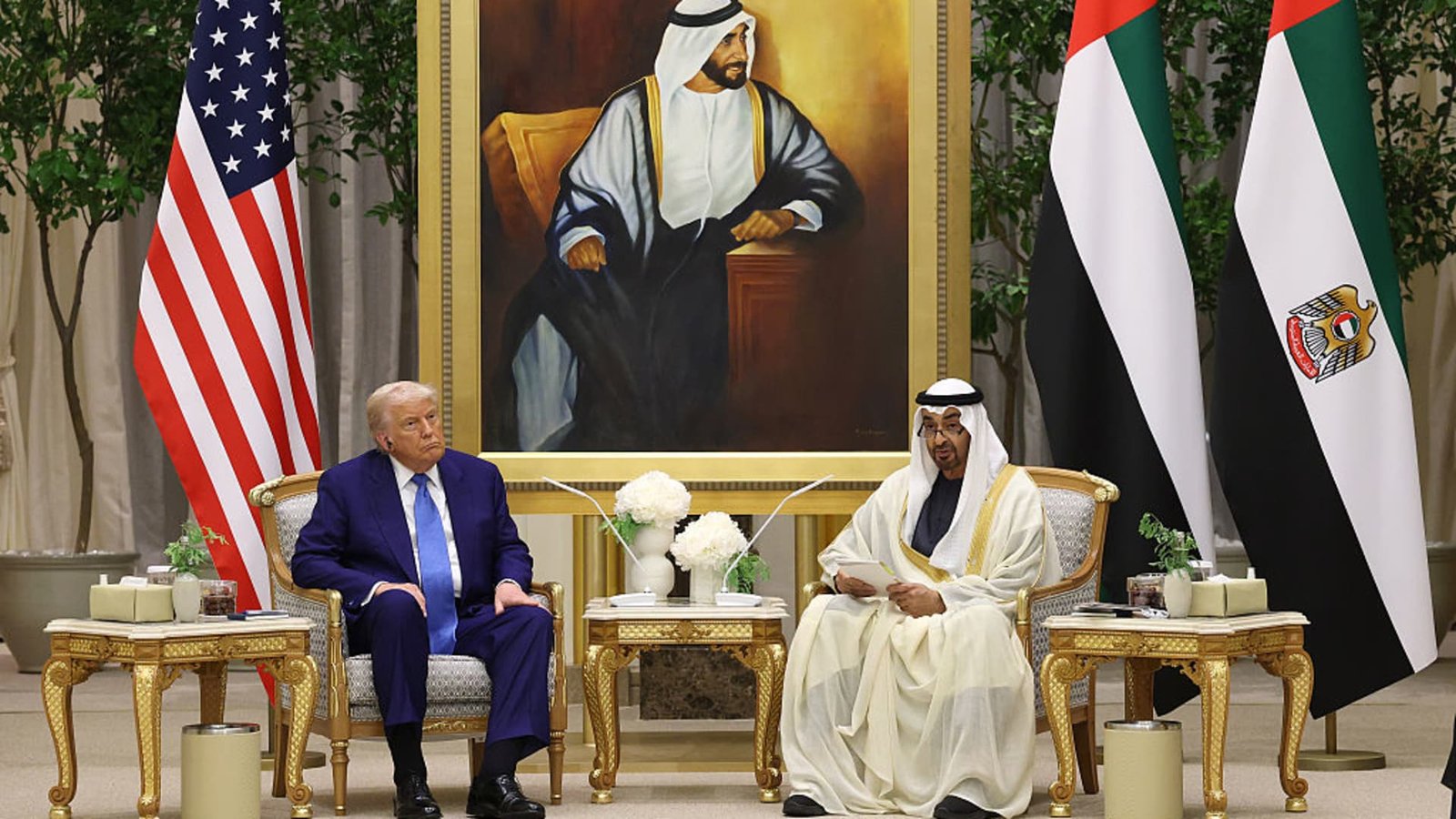
The White House is contemplating financial support for the United Arab Emirates (UAE) amid economic challenges exacerbated by the U.S. conflict with Iran. While no formal request for a currency swap line has been made by the UAE, discussions are ongoing within the administration, according to an anonymous official.
The proposed currency swap would provide the UAE with dollar liquidity, crucial for the nation heavily reliant on oil exports. However, this initiative could present political difficulties for the administration, as American consumers are currently facing rising prices. The U.S. has seen heightened tensions with Iran, which has retaliated against American allies in the region, further straining the UAE’s economy.
The UAE has been a close ally of the Trump administration, pledging over $1 trillion in investments in the U.S. last year. President Trump expressed support for assisting the UAE, indicating a willingness to consider options to help the nation. Republican lawmakers, including Senator Steve Daines, have shown cautious support for exploring a currency swap, emphasizing the UAE’s importance as an ally in the Middle East.
Conversely, Democrats express skepticism regarding potential deals, with concerns over the implications for Trump’s business interests. While the administration is open to support, final decisions on swap lines would rest with the Federal Reserve. Offering a swap line to the UAE would be a departure from typical practices, as such arrangements traditionally involve major central banks in stable markets.
The UAE has publicly stated that it does not require external financial assistance, asserting that its economic future is independent and mutually beneficial with the U.S.
Why this story matters:
- The potential currency swap could impact U.S.-UAE relations and economic stability in the Gulf region.
Key takeaway:
- Discussion of a currency swap between the U.S. and UAE reflects ongoing geopolitical tensions and economic considerations.
Opposing viewpoint:
- Critics worry that financial support for the UAE may benefit Trump’s business ties rather than serve American interests.