


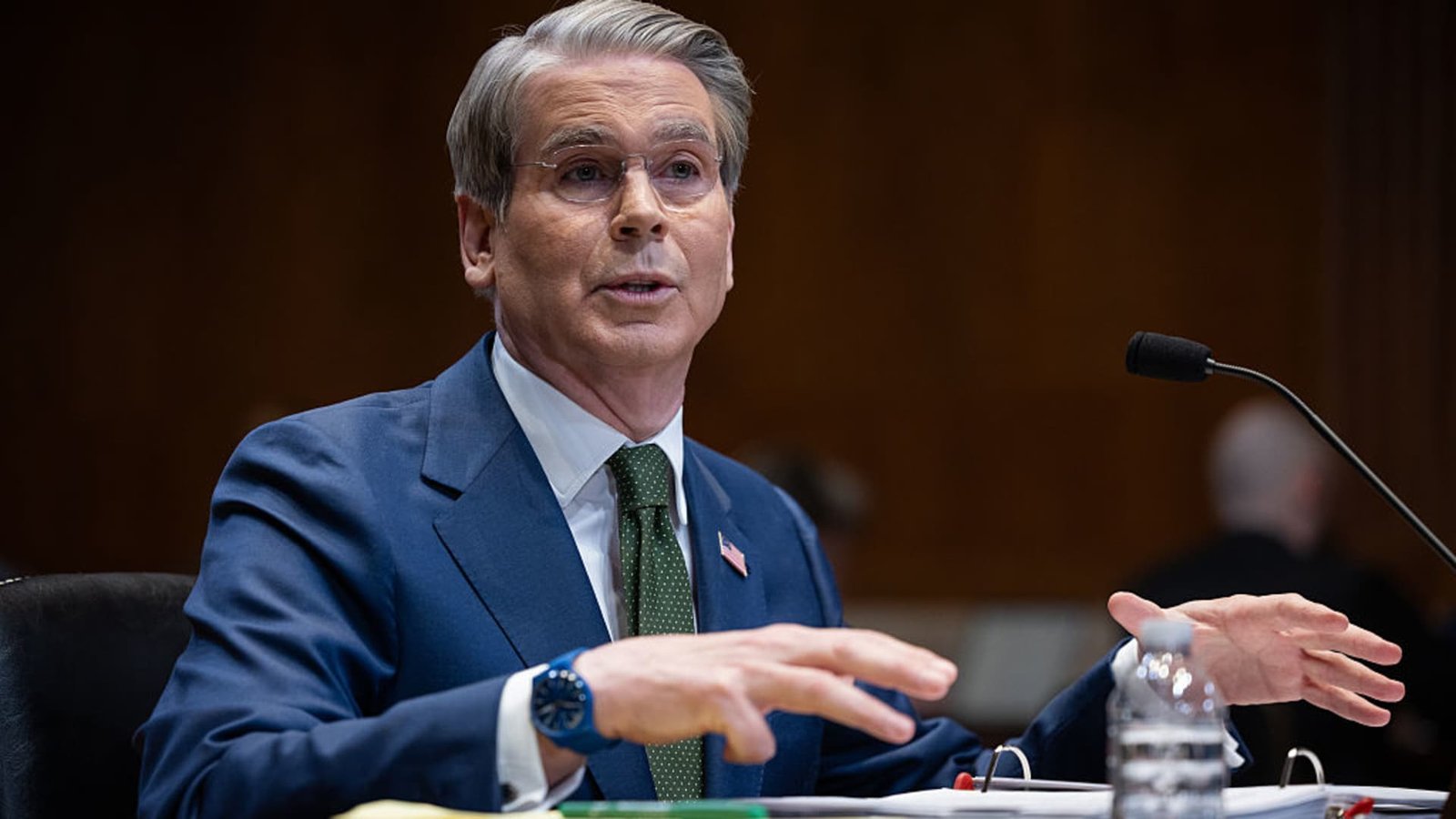
Treasury Secretary Scott Bessent recently discussed the potential for the United States to engage in currency swaps with allies in the Persian Gulf and Asia amid ongoing geopolitical tensions related to the conflict in Iran. During a hearing on the Treasury Department’s budget request for 2027, Bessent emphasized that these discussions are standard practice between the U.S. and its partners, reflecting the enduring strength of the U.S. dollar.
Bessent’s remarks came as the Trump administration considers establishing swap lines, particularly for the United Arab Emirates. He noted that many Gulf allies are seeking financial support as the war destabilizes their economies. Currency swap agreements enable central banks from different countries to exchange currency to provide liquidity, which can alleviate stresses in global funding markets. The U.S. currently has similar arrangements with several major economies, including Canada and the European Central Bank.
Historically, such financial tools have been employed during economic crises, including the 1980s Mexican economic turmoil and the 2008 financial crisis. They are designed to stabilize markets and help households and businesses navigate funding challenges.
However, establishing new swap lines could pose political risks for the Trump administration, particularly as rising inflation on domestic issues might lead to perceptions of it being an unnecessary bailout for wealthy countries. Public sentiment regarding the economy is notably skeptical, with recent polls indicating a significant disapproval rate among Americans for how the administration is handling economic matters.
In defense of the initiative, Bessent argued that enhanced swap lines could bolster international dollar usage and strengthen U.S. economic influence, particularly in light of challenges posed by alternative payment systems.
Why this story matters:
- Potentially affects U.S. economic policy and international relations amid geopolitical tensions.
Key takeaway:
- Currency swaps may provide economic support to allies while reinforcing the U.S. dollar’s influence globally.
Opposing viewpoint:
- Critics may view such swaps as unnecessary aid to wealthy nations, risking domestic backlash amidst rising inflation.