
Nvidia CEO Jensen Huang, who previously suggested that practical quantum computing was decades away, has shifted his stance by unveiling a new AI-driven initiative. Last year, Huang indicated that “very useful” quantum computers might take 20 years to develop, a statement that negatively impacted the stock of quantum computing companies. Quantum computing promises transformative advancements in areas such as drug discovery and encryption but has struggled to deliver tangible results due to the fragility and error-proneness of existing qubit technology.
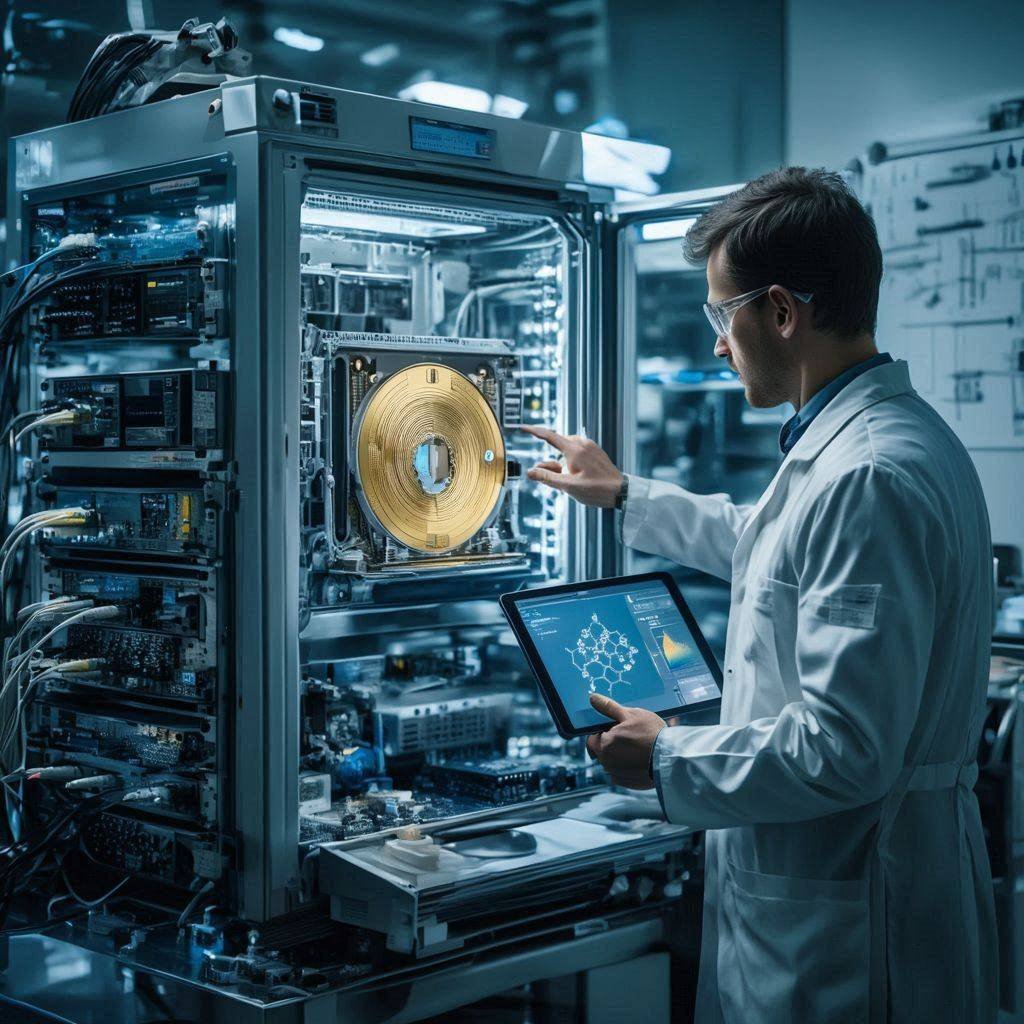
In a surprising turn, Nvidia introduced "Ising," a family of AI models aimed at addressing key challenges in quantum computing, specifically calibration and error correction. Qubits, unlike traditional bits, can exist in multiple states but are highly affected by environmental factors, causing significant challenges in processing reliability. Currently, the best quantum systems fail around once every thousand operations, complicating tasks that could require millions of steps.
Nvidia’s Ising models are designed to automate calibration processes by learning system behaviors rather than relying on manual tuning, thus enhancing stability. Furthermore, the models can improve error detection and correction efficiency, essential for scaling quantum systems beyond experimental stages. Initial results suggest Ising can improve accuracy on critical quantum tasks by up to three times.
Following the announcement, stocks of companies like IonQ and Rigetti surged, reflecting renewed investor optimism in the quantum sector. Nvidia’s strategic pivot positions it as a critical player that could harness AI to expedite the development of practical quantum computing, underscoring a potential technological convergence that could revolutionize the industry.
Why this story matters
Key takeaway
Opposing viewpoint